Posted on 5 Comments

The Power of Motherhood in African Culture

The Power of Motherhood in African Culture

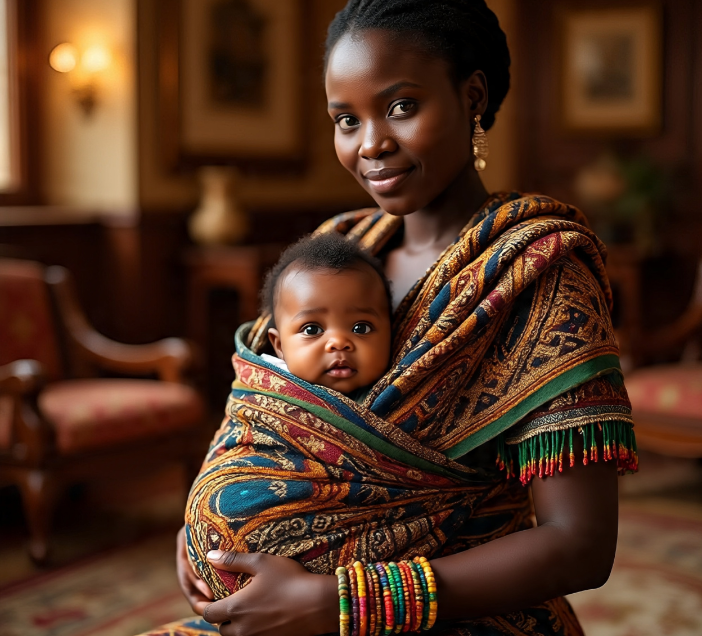
In African culture, motherhood is revered as a symbol of social and cultural power, stability, and strength. Mothers play a vital role in shaping the beliefs and values of their families and communities, and their influence extends beyond the family to the community at large.

Key Aspects of Motherhood in African Culture

Motherhood in African culture is multifaceted and far-reaching. Two key aspects that stand out are spiritual significance and cultural leadership.

Spiritual Significance

Mothers are often associated with spiritual power and are believed to possess the ability to protect their children and ensure their success through prayer and offerings to gods and goddesses. This spiritual significance is deeply ingrained in African culture and is a testament to the revered status of mothers.

Cultural Leadership

In Igbo society (southeastern Nigeria), mothers are part of groups like the Ụmụada and Ndi Inyom, which give them a say in village matters. Similar cultural leadership roles are seen in other African societies, such as Ghana, where mothers play significant roles in traditional governance structures, like the Asante kingdom’s queen mother, who advises the king on important matters. In South Africa, mothers are revered for their wisdom and spiritual guidance, often serving as mediators in family and community disputes. In Kenya, mothers are believed to possess spiritual powers that enable them to protect their children and ensure their success.

The Unwavering Dedication of African Mothers

African mothers are known for their unwavering dedication to their children. From pregnancy to adulthood, and even beyond, mothers are fiercely protective of their children. They will stop at nothing to ensure their children’s well-being, safety, and success. In fact, African mothers are devoted to protecting and caring for their children from pregnancy till they are no longer dependent on them, and even then, the bond remains strong.

The Importance of Motherhood in African Culture

Motherhood in African culture is a powerful and revered institution. Mothers play a vital role in shaping the social, cultural, and spiritual fabric of their communities, and their influence extends far beyond the family. By celebrating and honoring African mothers, we can gain a deeper understanding of the importance of motherhood in African culture.

In conclusion, the power of motherhood in African culture is a testament to the strength and resilience of African women. Their unwavering dedication to their children and their communities is a shining example of the importance of motherhood in shaping the social, cultural, and spiritual fabric of African societies.
Posted on Leave a comment

There is Beauty in Africa Culture, Art


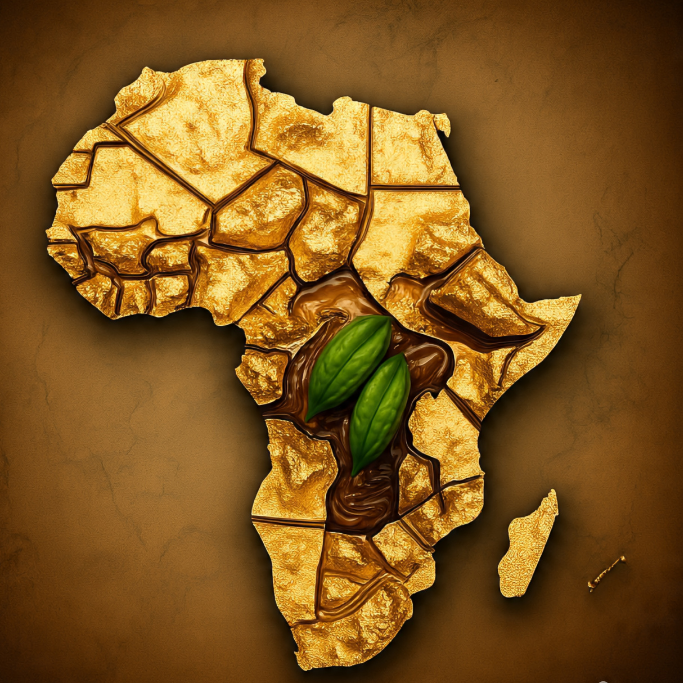
Africa is a continent rich in cultural diversity, vibrant art, and complex systems that have been shaped by its history, geography, and people. From the intricate patterns of traditional textiles to the rhythmic beats of African music, the continent’s culture is a treasure trove of beauty and creativity. Nigeria, with its rich cultural heritage and vibrant artistic traditions, is a shining example of the beauty and diversity of African culture.

_The Beauty of African Culture_

African culture is a reflection of the continent’s diverse heritage, with over 2,000 languages and more than 50 countries, each with its unique customs, traditions, and practices. From the colorful Kente cloth of Ghana to the Maasai beadwork of East Africa, and from the Nok’s terracottas of Nigeria to the Yoruba wood carvings, African culture is a celebration of beauty, creativity, and community.

African culture is also shaped by its diverse ethnic groups, each with their unique customs, traditions, and practices. For example, the Hausa people of Nigeria are known for their rich Islamic heritage and their vibrant cultural traditions, while the Yoruba people are known for their complex system of divination and their rich artistic heritage. The Igbo people, on the other hand, are known for their entrepreneurial spirit and their rich cultural traditions.

_The Significance of Art in African Culture_

Art has always played a significant role in African culture, serving as a means of expression, communication, and storytelling. From the intricate wood carvings of West Africa, including Nigeria’s famous Esie stone sculptures, to the vibrant paintings of South Africa, African art is a reflection of the continent’s rich cultural heritage. African art is also influenced by its diverse ethnic groups and religious traditions, with Islamic art, Christian art, and traditional African art all playing important roles.

_The Complexity of African Systems_

African systems, including traditional governance structures, economic systems, and social networks, are complex and multifaceted. These systems have been shaped by the continent’s history, geography, and people, and continue to evolve and adapt to changing circumstances. In Nigeria, for example, the traditional system of governance has been influenced by its history as a British colony and its diverse cultural heritage.

_Celebrating the Beauty of Africa_

In conclusion, there is indeed beauty in Africa’s culture, art, and systems. The continent’s rich cultural heritage, vibrant art, and complex systems are a testament to its diversity and creativity. By celebrating and appreciating the beauty of Africa, we can gain a deeper understanding of the continent and its people, and work towards a more inclusive and equitable world.

_Let’s Celebrate African Excellence!_

Join us in celebrating the beauty and excellence of African culture, art, and systems. Let’s promote African pride and heritage, and work towards a brighter future for the continent and its people. Nigeria, with its rich cultural heritage and vibrant artistic traditions, is a shining example of the beauty and excellence of African culture.