Posted on Leave a comment

In 1975, a quiet, brilliant man named Steve Wozniak was working as a calculator engineer at Hewlett-Packard (HP).

In 1975, a quiet, brilliant man named Steve Wozniak was working as a calculator engineer at Hewlett-Packard (HP).

Wozniak wasn’t just another employee.

He was grateful.

HP had given him his start.

Trained him. Paid his bills.

He believed in the company.

But Wozniak had a vision that was bigger than calculators.

Working late nights at HP, he built something radical.

a computer small enough and cheap enough for ordinary people to own.

It was called the Apple I. Inspired by his friend a one Steve Jobs

His dream? To put computing power in the hands of everyday people.

And because he was a loyal employee

when he had built something radical
something that could change the world

He offered it to HP the company that gave him life.

But when he pitched his ideas to HP,
they laughed.

“A toy.”
“Useless.”
“Why would the average person need a computer?”

HP executives dismissed him not once… not twice… but five times.

After the fifth rejection, his close friend, Steve Jobs, had enough.

“Let’s do it ourselves,” Jobs said.

That moment was the birth of Apple and the deàth of HP’s chance to lead a trillion-dollar industry.

So Steve Wozniak quit his job at HP to start Apple with his friend, Steve Jobs.

Before Apple, computers were for corporations and universities.

Big.
Expensive.
Complicated.

They filled rooms.
Cost tens of thousands of dollars.
Only experts could use them.

Regular people couldn’t touch them
let alone own one.

But  Steve Wozniak dream.
A dream to make computers personal.
To bring them into people’s hands and homes.

Kept Him awake

By day, he worked at Hewlett-Packard (HP) as an engineer.

By night, he soldered and sketched in secret.

Building something incredible:

A compact, affordable machine called the Apple
I  on a wooden board.

His friend Steve Jobs saw it and saw the future.

Jobs wasn’t the engineer.
He was the energy.
The salesman.
The believer.

He didn’t just see a circuit board.
He saw a product.
He saw possibility.

Something HP executives couldn’t see

So he made a bold pitch:

“Let’s sell it.

Let’s start a company. Let’s call it… Apple.”

Why Apple?

Because it was simple.
Jobs had spent time on a fruit farm.

And because, in his words, it sounded “fun, spirited, and not intimidating.”

So, the two of them sold what little they had

Wozniak sold his calculator,
Jobs sold his Volkswagen van, and they raised $1,300.

And got to work.

They assembled the first 50 computers made by Steve Wozniak in the Jobs family garage.

Jobs the salesman walked into a local computer store

The Byte Shop and convinced them to buy all 50…

before they were even built.

And they bought all. 

That was the shift:

A passion project became a product.
A product became a company.
Apple Computer Inc. was born on April 1, 1976.

Suddenly, a hobby became a hustle.

But they weren’t done.

Wozniak built the Apple II a sleek, plastic-cased machine with color graphics, a keyboard, and expandable storage.

This wasn’t just for hobbyists anymore.

It was for schools, homes, offices, kids.

The Apple II didn’t just sell.

It exploded.

And in 1980, Apple went public at $1.2 billion.

Meanwhile, HP, the company that rejected

Wozniak five times, was still building calculators and hardware peripherals.

They didn’t just miss a product.

They missed the personal computer revolution.

They missed the trillion-dollar wave that reshaped the planet.

What can we learn from Steve Wozniak, Steve Jobs, and HP?

When you have a big idea, don’t wait for approval  especially from those who cannot see the future you envision.

Steve Wozniak had a dream. Steve Jobs had the guts.

HP had the chance.

But they didn’t just reject the Apple I.

They rejected the future not once, but five times.

And where did that leave them?

Today, HP is still building hardware, printers, computers, parts with an estimated market cap of $28 billion.

Meanwhile, Apple is shaping culture, designing the future, and commanding a market cap of over $3 trillion.

All because two friends chose to believe in their dream rather than settle for permission.

Here are the lessons:

– Don’t beg for vision from the blind.

– If they reject your idea, it may not mean it’s
bad it may mean it’s too early for them.

– Visionaries don’t wait. They build.

– Sometimes, rejection is just redirection
to something greater.

– Never underestimate a garage, a dream, and two friends with conviction.

Somewhere right now, someone is being told “no.” I hope they read this story and push on..

#TechStory
#Apple
#HP
#SteveWozniak
#SteveJobs

Ifeanyi Christopher ©️

Posted on 1 Comment

Peller Accuses Asisat Oshoala, Super Falcons of Ignoring Him After $100k Bonus

Popular Nigerian TikToker, Habeeb Okikiola, popularly known as Peller, has called out Super Falcons star Asisat Oshoala and her teammates for allegedly ignoring his messages following their recent financial reward from the presidency.

In a viral video, Peller claimed the players stopped responding to him after receiving $100,000 each for their victory at the Women’s Africa Cup of Nations (WAFCON).

“I text Asisat since last two weeks, she never reply me. Them don give them $100k, all the Nigerian girls footballers didn’t reply me,” he lamented.

The content creator suggested the players’ attitude had changed because of their newfound wealth, describing it as a sudden shift in personality.

“If the $100k finish, if they text me I’ll not reply them. $100,000 is making you feel like angel that is flying,” Peller added in a mix of amusement and frustration.

Posted on 1 Comment

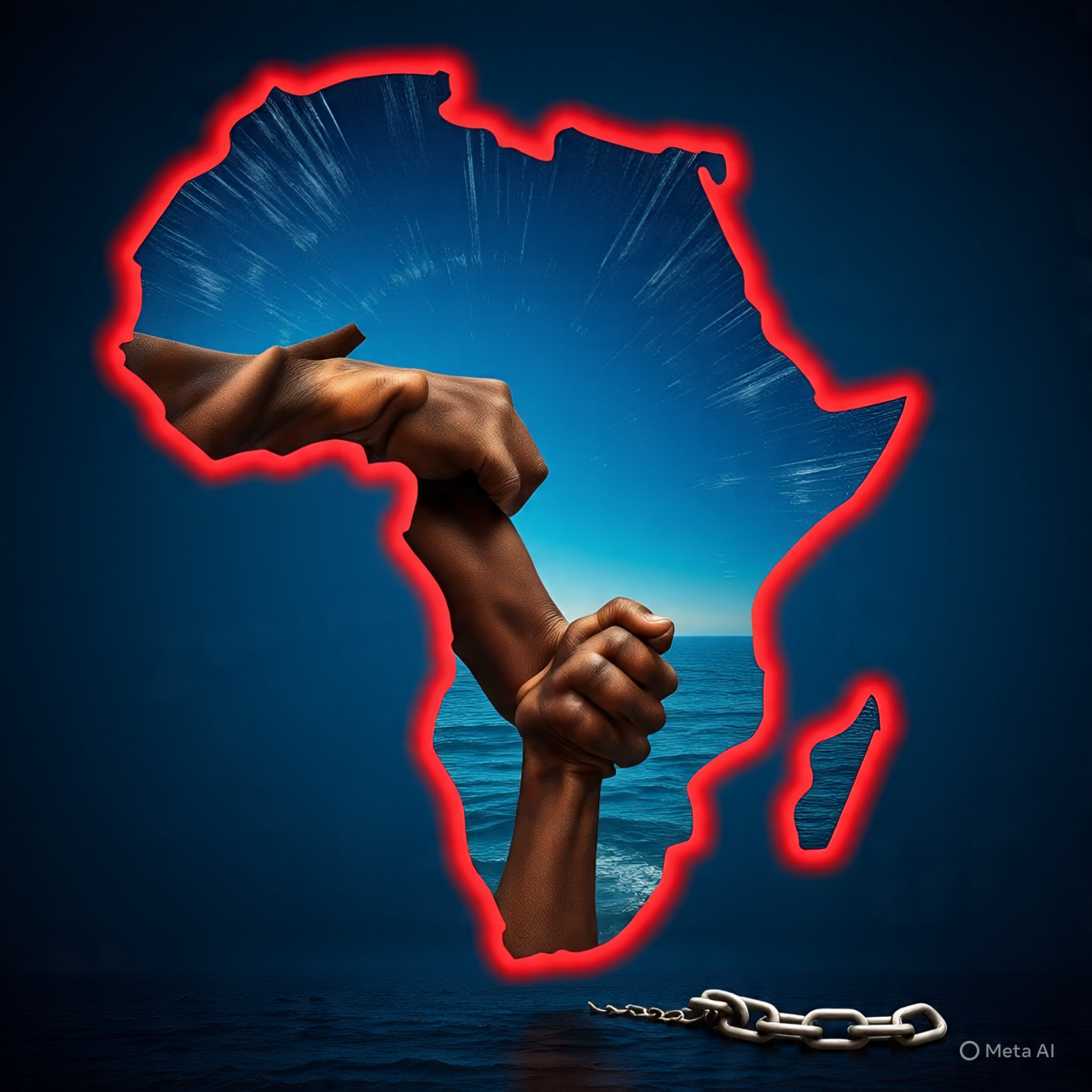
How Colonial Powers Exploited Nigeria and Other African Countries


Here is how colonial powers, including America, took advantage of Nigeria and other African countries.

Economic Exploitation
Colonial powers exploited Africa’s natural resources, imposing their own economic systems and policies that benefited them at the expense of local populations. This led to
– Resource extraction: Colonial powers extracted resources such as palm oil, groundnuts, cocoa, cotton, and palm kernel from Africa, often using forced labor.
– Economic dependency: African countries were forced to rely on their colonial masters for economic support, creating a cycle of dependency that persists today.

Cultural Imperialism
Colonial powers imposed their own culture, language, and beliefs on African countries, suppressing local traditions and identities:
– Loss of cultural heritage: The imposition of foreign cultures led to the erosion of traditional African cultures and identities.
– Language barrier: The use of European languages as official languages hindered communication and development in African countries.

Political Interference
Colonial powers interfered in the governance of African countries, often supporting leaders who served their interests:
– Puppet governments: Colonial powers installed puppet governments that served their interests, rather than those of the local population.
– Undermining sovereignty: The interference in governance undermined the sovereignty of African countries, making it challenging for them to assert their own development agendas.

Legacy of Colonialism
The legacy of colonialism continues to impact Africa today, with many countries still struggling to overcome the economic, cultural, and political challenges imposed by colonial powers.³

To overcome these challenges, African leaders can focus on:
– Prioritizing national interests: Developing domestic industries and economies that benefit the local population.
– Promoting transparency and accountability: Ensuring good governance and accountability to the people.
– Investing in human capital and infrastructure: Developing the skills and abilities of the population, and investing in infrastructure that supports economic growth and development.
– Fostering regional cooperation and integration: Collaborating with other African countries to strengthen economic ties and promote peace and stability.
– Resisting external interference: Asserting sovereignty and protecting national interests from external influence.

Posted on Leave a comment

The Complex Relationship Between America and African Countries

US-Africa Relations: A Complex Dynamic

The relationship between the US and African countries is complex and often contentious. The US aims to guide African nations, but its actions have significant consequences.

Understanding US Interference

The US has faced criticism for interfering in African governance. By supporting leaders who prioritize American interests, the US can inadvertently empower exploitative leaders. This can lead to poverty and instability in African nations. Moreover, US influence can create dependencies that hinder growth and self-sufficiency.

The Impact of US Influence

US actions can have far-reaching consequences for African economies. For instance, the devaluation of African currencies and undermining of local economies can stifle growth. Furthermore, external interference has consistently frustrated and undermined African economies, perpetuating poverty and inequality.

The Need for Self-Determination

African countries must assert their sovereignty and prioritize their own development agendas. By recognizing the complexities of US-Africa relations, African nations can work towards a more prosperous future. To achieve this, African leaders can take several steps.

Breaking the Cycle of Dependency

  • Prioritize national interests over external influences.
  • Develop homegrown economic policies that benefit African countries and people.
  • Promote transparency and accountability in governance.
  • Invest in human capital and infrastructure development.
  • Foster regional cooperation and integration.
  • Resist external interference and assert sovereignty.
  • Develop strategic partnerships that benefit African nations.
  • Encourage citizen participation in decision-making processes.

Empowering African Nations through Diaspora Engagement

Some African countries are strengthening their relationships with diaspora communities. Examples include Ghana, Nigeria, South Africa, Kenya, Gabon, Cape Verde, and Zimbabwe. By working together, African nations can unlock their true potential for growth, prosperity, and self-determination.

I made the following changes to improve the SEO score:

  1. Added subheadings to structure the content and make it easier to scan.
  2. Shortened sentence length to improve readability.
  3. Used transition words to connect ideas and improve flow.
  4. Simplified vocabulary to suit a larger audience.

These changes should help improve the SEO score and make the content more engaging and readable.

Posted on Leave a comment

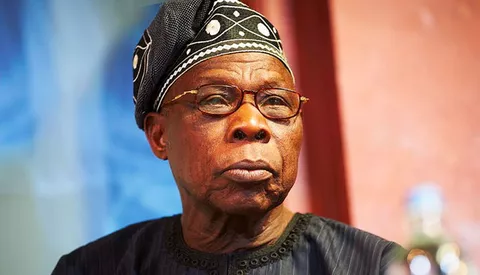
EFCC Raids Obasanjo Hotel Arrest some

The Economic and Financial Crimes Commission (EFCC) raided the Green Legacy Hotel within the Olusegun Obasanjo Presidential Library in Abeokuta, Ogun State, on Sunday, August 10, 2025. The operation resulted in the arrest of several youths suspected of internet fraud. Here’s what we know so far:
Number of Arrests: The EFCC has confirmed arresting 93 suspected internet fraudsters in Ogun State, but the exact number arrested at the Obasanjo Library hotel is not specified.
Items Seized: EFCC operatives reportedly seized over 20 luxury cars and other valuable items from the suspects.
Operation Details: The raid occurred during a pool party at the hotel in the early hours of Sunday. Eyewitnesses described scenes of chaos as guests fled in panic amid the sound of gunfire.
EFCC Response: The EFCC spokesperson, Dele Oyewale, promised to confirm and provide further information on the operation, while the Managing Director of OOPL Ventures, Vitalis Ortese, confirmed the incident but withheld details.

This raid is part of the EFCC’s ongoing efforts to clamp down on cybercrime across Nigeria.

Posted on Leave a comment

You Go to School to Be Educated, Not to Be a Job Seeker

diagnosed car with laptop

You Go to School to Be Educated, Not to Be a Job Seeker

You go to school to be educated, not to be a job seeker. The purpose of education is often misunderstood. Many people believe that the sole purpose of going to school is to get a job. However, this perspective is limiting and narrow-minded. Education is about building yourself, gaining knowledge, and developing skills that will benefit you throughout your life.

Building yourself, not just a certificate
When you focus solely on getting a certificate or degree, you miss out on the opportunity to truly learn and grow. Education is not just about passing exams or getting good grades; it’s about developing critical thinking, problem-solving, and communication skills. By focusing on building yourself, you’ll gain a deeper understanding of the world and develop a sense of purpose. You’ll learn to think creatively, approach problems from different angles, and develop a growth mindset.

The benefits of a holistic education
A holistic education that focuses on building yourself has numerous benefits. You’ll:

  • Develop a love for learning that will stay with you throughout your life
  • Gain a deeper understanding of the world and your place in it
  • Develop critical thinking and problem-solving skills
  • Improve your communication and collaboration skills
  • Become a more well-rounded and informed individual

There is nothing bad if you get employment – that means you’re lucky. But still, it doesn’t stop you from discovering yourself. Let your employer know the value you can bring to your role. Your education and skills can benefit your workplace in many ways, and it’s essential to showcase your abilities and contribute to the organization’s growth.

It’s better to be employed based on your skills than your certificate. Skills are what set you apart and make you valuable in the workplace. While a certificate can get you in the door, it’s your skills and abilities that will keep you there and help you grow.

Conclusion
You go to school to be educated, not to be a job seeker. By focusing on building yourself and gaining knowledge, you’ll set yourself up for success in all areas of life. Don’t just focus on getting a certificate; focus on developing the skills and knowledge that will benefit you for years to come.

Adding specific examples or anecdotes could enhance the post. Some ideas include:

  • Sharing personal experiences of how a holistic education benefited you
  • Highlighting successful individuals who attribute their success to a well-rounded education
  • Providing examples of innovative schools or programs that prioritize holistic education
  • Discussing the long-term benefits of a holistic education in various fields, such as business, art, or science?
Posted on Leave a comment

The Emir of Kano, Muhammadu Sanusi II, has indeed issued a stern warning to President Bola Tinubu,

The Emir of Kano, Muhammadu Sanusi II, has indeed issued a stern warning to President Bola Tinubu, urging him not to reward thieves with ministerial appointments. Sanusi emphasized that Nigeria’s value system has been eroded, and the society rewards individuals who have amassed wealth through questionable means with more public offices and opportunities. He stressed that public office holders should prioritize serving the nation, not accumulating personal wealth.¹

Key Points of Sanusi’s Warning:

  • Condemnation of Corruption: Sanusi condemned the appointment of individuals with questionable integrity into public office, citing that this perpetuates a system where material wealth is prioritized over values like honesty and diligence.
  • Regeneration of Values: He called for a collective awakening to restore Nigeria’s moral fabric, emphasizing the need for honesty, diligence, and compassion in governance.
  • Strengthening the Civil Service: Sanusi advocated for empowering civil servants to resist political pressure and uphold accountability, highlighting the importance of a robust civil service in promoting good governance.
  • Shared Responsibility: He emphasized that the responsibility for change lies not only with leaders but also with citizens, underscoring the need for a collective effort to reform Nigeria’s value system.²

Sanusi’s sentiments echo those of former Governor Colonel Abubakar Dangiwa Umar, who also cautioned President Tinubu against appointing desperate lobbyists and individuals of dubious character to his cabinet.³

Posted on Leave a comment

“It’s Better to Be Employed with Your Skills than Your Certificate”

Skill Over Certificate

“It’s Better to Be Employed with Your Skills than Your Certificate”

In today’s competitive job market, the debate rages on: what’s more important, having the right certificate or possessing the necessary skills? While certificates and degrees can open doors, it’s the skills that ultimately make you employable and valuable in the workplace.

Why Skills Trump Certificates

  1. Practical application: Skills demonstrate your ability to apply knowledge in real-world situations.
  2. Adaptability: Skills are transferable across industries and roles, making you more versatile.
  3. Problem-solving: Skills enable you to tackle complex challenges and find innovative solutions.
  4. Value addition: Skills make you a valuable asset to your organization, driving growth and success.

The Limitations of Certificates

  1. Credentialism: Certificates can become outdated or lose relevance in a rapidly changing job market.
  2. Lack of practical experience: Certificates may not guarantee hands-on experience or practical skills.
  3. Overemphasis on theory: Certificates often focus on theoretical knowledge, which may not be directly applicable in the workplace.

The Benefits of Skill-Based Employment

  1. Increased job satisfaction: When you’re employed based on your skills, you’re more likely to enjoy your work and feel fulfilled.
  2. Better job prospects: Skills make you a more attractive candidate, increasing your chances of landing your desired job.
  3. Career growth: Developing skills can lead to career advancement opportunities and higher earning potential.
  4. Personal growth: Acquiring new skills can boost your confidence and self-esteem, leading to personal growth and development.

Conclusion
In conclusion, while certificates can provide a foundation, it’s the skills that ultimately make you employable and valuable in the workplace. Focus on developing practical skills that align with your career goals, and you’ll be more likely to succeed in today’s competitive job market.

Posted on Leave a comment

Exploring the Latest Breakthroughs and Trends in AI Technology

Exploring the Latest Breakthroughs and Trends in AI Technology

The world of AI is rapidly evolving, with new developments and innovations emerging every day. Here are some exciting recent breakthroughs and trends:

Recent Breakthroughs:

  1. Text-to-Video AI: New metamorphic video capabilities are being explored, enabling more sophisticated video generation.
  2. AI in Medicine: AI models are being developed to assist in medical decision-making, with some models outperforming doctors in certain exams.
  3. Robotics: Robots are being designed to navigate complex environments, recognize objects, and even exhibit human-like touch.
  4. Quantum Computing: Researchers are making progress in developing fault-tolerant quantum computers and exploring the potential of photonic computing.

Emerging Trends:

  1. Generative AI: Large language models, text-to-image, and text-to-video models are becoming increasingly popular.
  2. Predictive Analytics: AI is being used to predict complex phenomena, such as chemical properties and nuclear waste behavior.
  3. Autonomous Systems: Self-driving cars and drones are being developed with advanced AI capabilities.

Research and Applications:

  1. Cancer Immunotherapy: AI is being used to analyze cell behavior and identify potential targets for therapy.
  2. Environmental Sustainability: AI is being applied to optimize carbon storage and minimize economic disruptions.
  3. Education: AI-powered platforms are being developed to support lifelong learning and improve student outcomes.

Some notable institutions driving AI research include:

  1. MIT: Researchers at MIT are working on various AI projects, including natural language processing, computer vision, and robotics.
  2. ScienceDaily: This platform provides updates on the latest AI research and breakthroughs.

To stay up-to-date on the latest AI news and developments, you can follow sources like:

  1. TechCrunch: Covers AI news, trends, and events.
  2. AI News: Reports on the latest AI news and insights.
  3. Google News: Aggregates news articles on artificial intelligence from various sources.