Posted on Leave a comment

The Cultural Heritage of Africa: Celebrating the Rich Cultural Heritage of Kwara State through the Aso-Ofi Festival

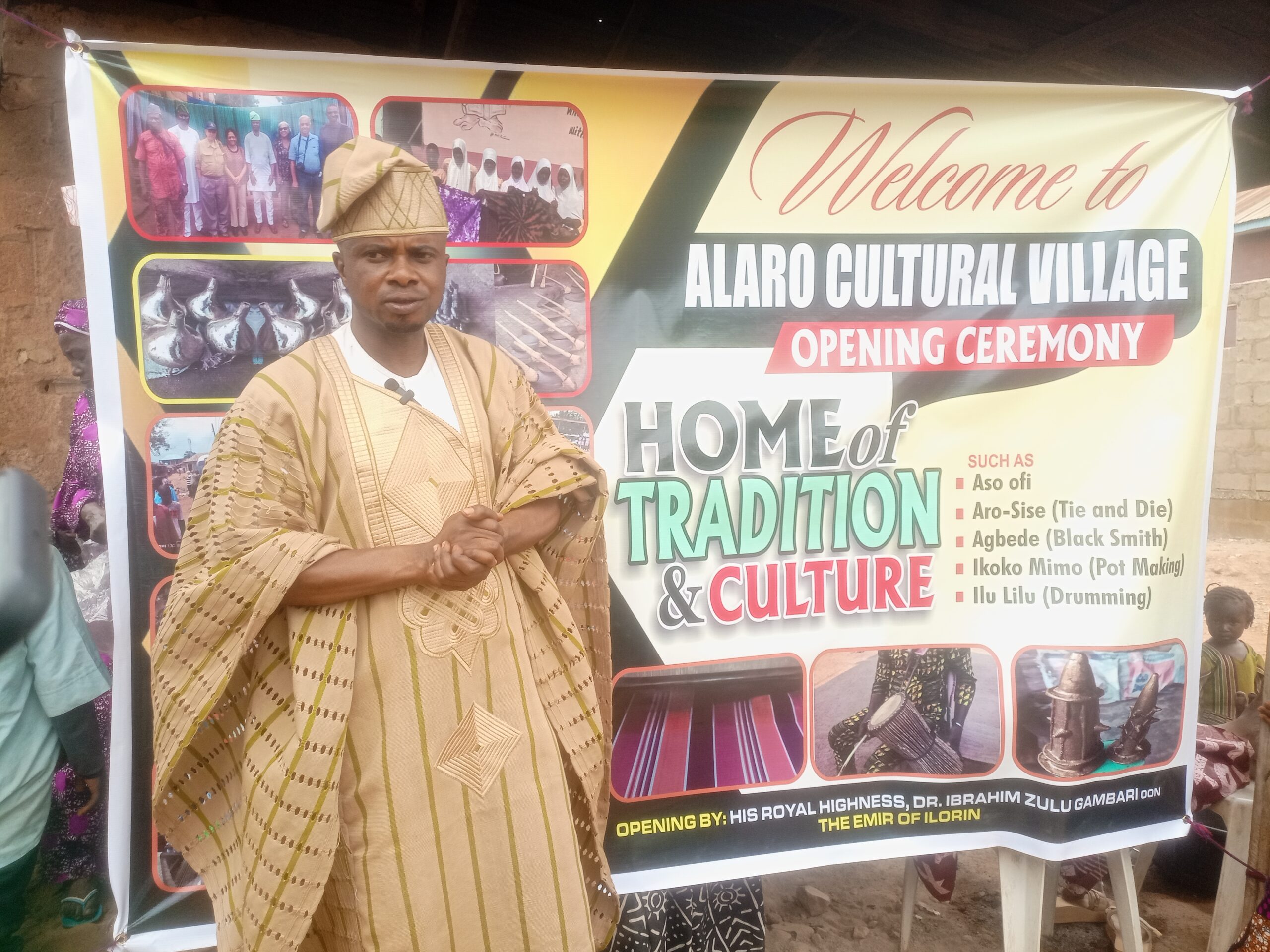
Ilorin, known as the highest Aso-Ofi producer in Nigeria and beyond, proudly displayed its traditional textiles, along with other local products such as clay pots, handmade cutlasses, hoes, rings, and bangles. These products are a testament to the creativity and skill of the local artisans, particularly the Agbede (blacksmith) people who craft these beautiful items. African culture is renowned for its emphasis on craftsmanship and artistry, and this festival was a celebration of that heritage.

A Celebration of Culture and Heritage

The festival was a colorful celebration of Kwara State’s cultural heritage, with dignitaries from various sectors in attendance. The National President of Aso-Ofi Weavers in Nigeria, representatives from the Kwara State Tourism Board, the Kwara State Commissioner for Communication, and the Kwara State Commissioner for Youth Development of were among the esteemed guests who graced the occasion. The event highlighted the importance of cultural festivals in preserving and promoting African heritage.

Promoting Local Industries

The Aso-Ofi Festival serves as a platform to promote local industries and showcase the state’s rich cultural heritage. By celebrating our indigenous products and traditions, we can foster a sense of pride and appreciation for our cultural identity. This is in line with the African philosophy of promoting local content and

Of culture display
Balogun Alanamu of Ilorin
Posted on 5 Comments

The Power of Motherhood in African Culture

The Power of Motherhood in African Culture

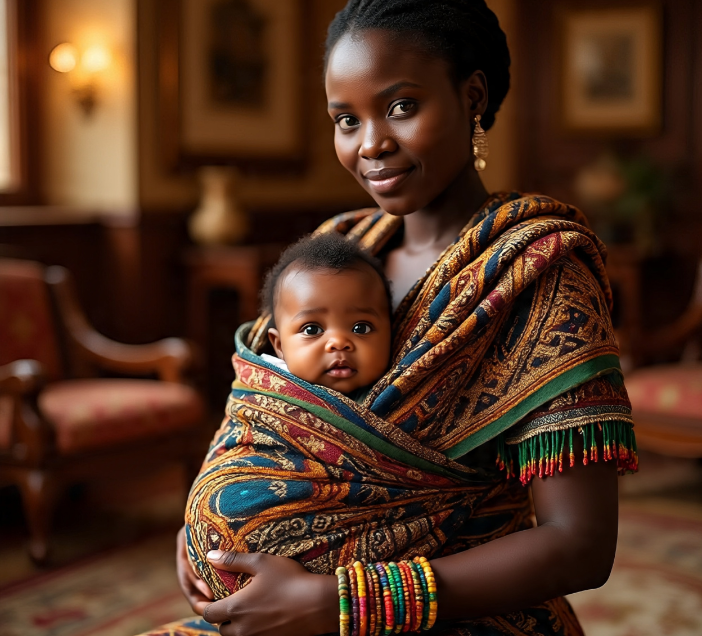
In African culture, motherhood is revered as a symbol of social and cultural power, stability, and strength. Mothers play a vital role in shaping the beliefs and values of their families and communities, and their influence extends beyond the family to the community at large.

Key Aspects of Motherhood in African Culture

Motherhood in African culture is multifaceted and far-reaching. Two key aspects that stand out are spiritual significance and cultural leadership.

Spiritual Significance

Mothers are often associated with spiritual power and are believed to possess the ability to protect their children and ensure their success through prayer and offerings to gods and goddesses. This spiritual significance is deeply ingrained in African culture and is a testament to the revered status of mothers.

Cultural Leadership

In Igbo society (southeastern Nigeria), mothers are part of groups like the Ụmụada and Ndi Inyom, which give them a say in village matters. Similar cultural leadership roles are seen in other African societies, such as Ghana, where mothers play significant roles in traditional governance structures, like the Asante kingdom’s queen mother, who advises the king on important matters. In South Africa, mothers are revered for their wisdom and spiritual guidance, often serving as mediators in family and community disputes. In Kenya, mothers are believed to possess spiritual powers that enable them to protect their children and ensure their success.

The Unwavering Dedication of African Mothers

African mothers are known for their unwavering dedication to their children. From pregnancy to adulthood, and even beyond, mothers are fiercely protective of their children. They will stop at nothing to ensure their children’s well-being, safety, and success. In fact, African mothers are devoted to protecting and caring for their children from pregnancy till they are no longer dependent on them, and even then, the bond remains strong.

The Importance of Motherhood in African Culture

Motherhood in African culture is a powerful and revered institution. Mothers play a vital role in shaping the social, cultural, and spiritual fabric of their communities, and their influence extends far beyond the family. By celebrating and honoring African mothers, we can gain a deeper understanding of the importance of motherhood in African culture.

In conclusion, the power of motherhood in African culture is a testament to the strength and resilience of African women. Their unwavering dedication to their children and their communities is a shining example of the importance of motherhood in shaping the social, cultural, and spiritual fabric of African societies.

Posted on Leave a comment

There is Beauty in Africa Culture, Art


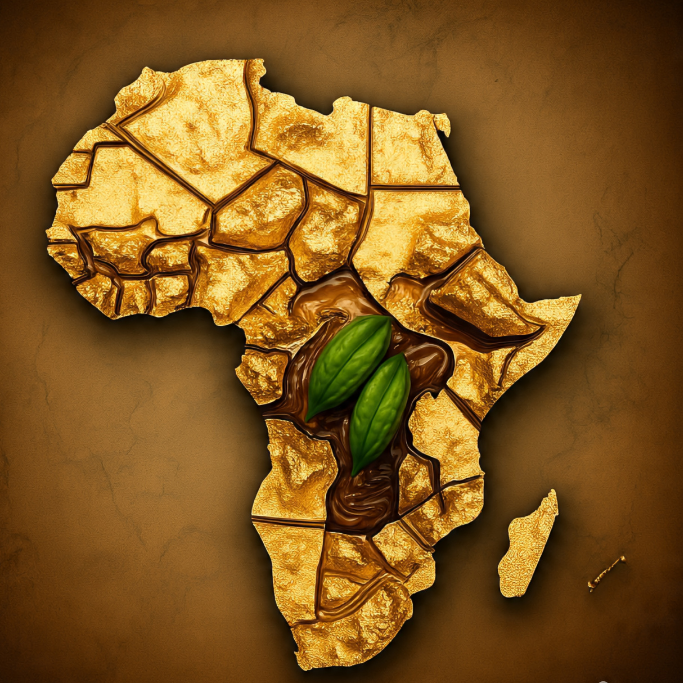
Africa is a continent rich in cultural diversity, vibrant art, and complex systems that have been shaped by its history, geography, and people. From the intricate patterns of traditional textiles to the rhythmic beats of African music, the continent’s culture is a treasure trove of beauty and creativity. Nigeria, with its rich cultural heritage and vibrant artistic traditions, is a shining example of the beauty and diversity of African culture.

_The Beauty of African Culture_

African culture is a reflection of the continent’s diverse heritage, with over 2,000 languages and more than 50 countries, each with its unique customs, traditions, and practices. From the colorful Kente cloth of Ghana to the Maasai beadwork of East Africa, and from the Nok’s terracottas of Nigeria to the Yoruba wood carvings, African culture is a celebration of beauty, creativity, and community.

African culture is also shaped by its diverse ethnic groups, each with their unique customs, traditions, and practices. For example, the Hausa people of Nigeria are known for their rich Islamic heritage and their vibrant cultural traditions, while the Yoruba people are known for their complex system of divination and their rich artistic heritage. The Igbo people, on the other hand, are known for their entrepreneurial spirit and their rich cultural traditions.

_The Significance of Art in African Culture_

Art has always played a significant role in African culture, serving as a means of expression, communication, and storytelling. From the intricate wood carvings of West Africa, including Nigeria’s famous Esie stone sculptures, to the vibrant paintings of South Africa, African art is a reflection of the continent’s rich cultural heritage. African art is also influenced by its diverse ethnic groups and religious traditions, with Islamic art, Christian art, and traditional African art all playing important roles.

_The Complexity of African Systems_

African systems, including traditional governance structures, economic systems, and social networks, are complex and multifaceted. These systems have been shaped by the continent’s history, geography, and people, and continue to evolve and adapt to changing circumstances. In Nigeria, for example, the traditional system of governance has been influenced by its history as a British colony and its diverse cultural heritage.

_Celebrating the Beauty of Africa_

In conclusion, there is indeed beauty in Africa’s culture, art, and systems. The continent’s rich cultural heritage, vibrant art, and complex systems are a testament to its diversity and creativity. By celebrating and appreciating the beauty of Africa, we can gain a deeper understanding of the continent and its people, and work towards a more inclusive and equitable world.

_Let’s Celebrate African Excellence!_

Join us in celebrating the beauty and excellence of African culture, art, and systems. Let’s promote African pride and heritage, and work towards a brighter future for the continent and its people. Nigeria, with its rich cultural heritage and vibrant artistic traditions, is a shining example of the beauty and excellence of African culture.

Posted on 2 Comments

Dr. Adam Abdullahi Likpata has made waves globally by winning the prestigious CIPHER Grant

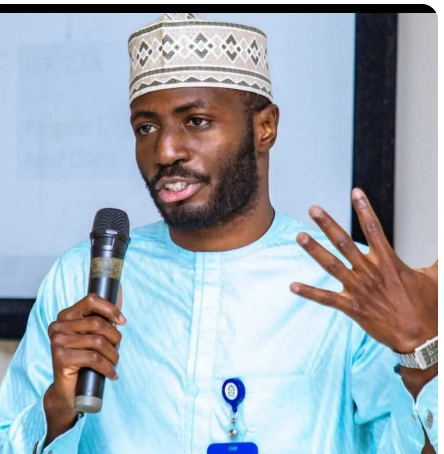
Dr. Adam Abdullahi Likpata has made waves globally by winning the prestigious CIPHER Grant from the International AIDS Society (IAS) for his groundbreaking research on drug resistance in children and adolescents on dolutegravir-based treatment in sub-Saharan Africa. This two-year grant worth $150,000 will support his project aimed at mapping emerging resistance patterns and generating critical evidence for treatment optimization.

As an infectious disease and global health scientist with an impressive record of research and leadership, Dr. Likpata’s achievement underscores the urgent need for locally driven research in Africa to build the continent’s own evidence base and set priorities for epidemic control. His work has the potential to improve outcomes for young populations living with HIV.

Some of Dr. Likpata’s notable achievements include¹ ²:
– *Research Experience*: Former Harvard Takemi Fellow and Research Associate at the University of Cambridge, with research spanning vaccine science, epidemic preparedness, and health systems
– *Published Works*: First-author research papers published in reputable journals like Nature Communications, with over 2,000 citations
– *Awards and Grants*: Recipient of a small grant of £20,000 through the Bill and Melinda Gates Foundation for his research project
– *Mentorship*: Mentored by Nigeria’s Coordinating Minister of Health and Social Welfare, Professor Muhammad Pate, during his academic journey at Harvard

Dr. Likpata’s recognition on the world stage is a testament to the impact of Nigerian and African researchers in global health. His work serves as an inspiration to the community, particularly the youth in Lafiagi, Kwara State, and Nigeria, showcasing the potential for excellence and innovation in medical science.
Posted on Leave a comment

Joint Task Force North East Achieves Successes Against Terrorist Groups

Joint Task Force North East Achieves Successes Against Terrorist Groups

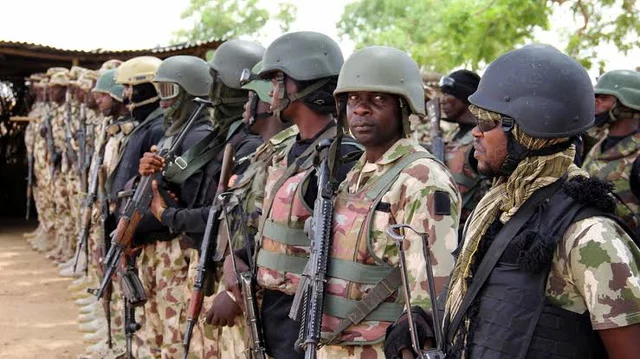
The Joint Task Force North East, Operation HADIN KAI (OPHK), has indeed achieved significant successes against Boko Haram, Jama’atu Ahlis Sunna Lidda’awati wal-Jihad (JAS), and Islamic State of West Africa Province (ISWAP) fighters in Borno and Yobe States. Here are some key highlights:
Recent Operations: On August 22, 2025, troops from the 21 Special Armoured Brigade repelled a large-scale night attack on their Forward Operating Base (FOB) in Kumshe, Borno State, killing over 20 terrorists and recovering several weapons.
Neutralization of Terrorists: On August 23, 2025, Sector 2 troops, in collaboration with the Civilian Joint Task Force (CJTF), conducted a long-range tactical operation around Ndoksa, near Buni Gari in Yobe State, neutralizing additional terrorists and recovering one AK-47 rifle and two motorcycles.
Recovery of Arms: The operations have resulted in the recovery of various arms, including AK-47 rifles, Rocket Propelled Grenade (RPG) tubes, and motorcycles.
Disruption of Terrorist Logistics: The coordinated offensives have denied the terrorists freedom of movement, degraded their firepower, and disrupted their logistics network within the region.
Military Commendation: The military high command has commended the troops for their exceptional performance and urged them to maintain the momentum of their offensive actions.

These successes demonstrate the effectiveness of the OPHK’s counter-terrorism operations in the region.

Posted on Leave a comment

NDLEA Seizes Over 1.2 Tons of Cannabis on Ajase-Ipo/Ilorin Highway

NDLEA Seizes Over 1.2 Tons of Cannabis on Ajase-Ipo/Ilorin Highway

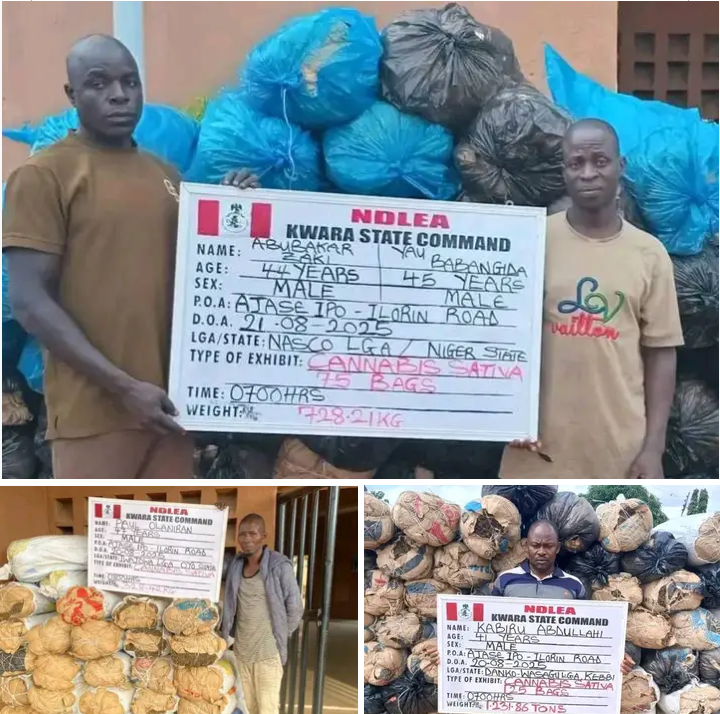
The National Drug Law Enforcement Agency (NDLEA), Kwara State Command, has recorded a major breakthrough with the arrest and seizure of 1.231 tons, 328.42kg, and 728.21kg of cannabis sativa along the Ajase-Ipo/Ilorin Highway.

The operation is part of the ongoing collaboration between the NDLEA and the Kwara State Government to curb crime and criminality in the state. According to the agency, most bandits and kidnappers rely heavily on drugs to carry out their operations, hence the intensified clampdown on illicit substances

Credit: SA Drug Abuse , Protection a d Control to Kwara Gov , Hon Mikael Olamilekan

Posted on 2 Comments

FG, States, LGs Share N2.001 Trillion July Revenue

The Federation Account Allocation Committee (FAAC) has distributed N2.001 trillion among the Federal Government, states, and local government councils as July 2025 revenue. This allocation marks the second consecutive month of growth in allocations, with a 10% increase from the N1.818 trillion shared in June.

Here’s a breakdown of the allocation:
– Federal Government: N735.081 billion
– State Governments: N660.349 billion
– Local Government Councils: N485.039 billion
– Oil-producing States Derivation: N120.359 billion, representing 13% of mineral revenue

The distributable revenue comprised¹:
– Statutory Revenue: N1.282 trillion
– Value Added Tax (VAT): N640.610 billion
– Electronic Money Transfer Levy (EMTL): N37.601 billion
– Exchange Difference: N39.745 billion

From the VAT revenue, the Federal Government received N96.092 billion, State Governments received N320.305 billion, and Local Government Councils received N224.214 billion. The FAAC noted that Petroleum Profit Tax, Oil and Gas Royalty, EMTL, and Excise Duty increased significantly in July, while VAT and import duty recorded marginal increases.

Posted on Leave a comment

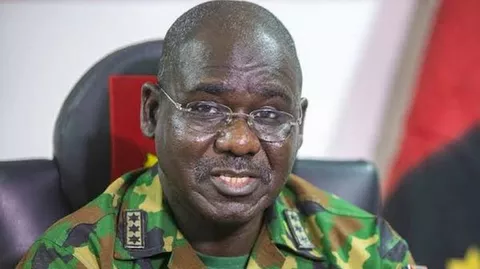
Former Chief of Army Staff Calls for Nationwide Mobilization to Combat Insecurity

Former Chief of Army Staff, Lt. Gen. Tukur Buratai, has called for a nationwide mobilization strategy to combat insecurity in Nigeria, similar to the approach taken during the COVID-19 lockdown. According to Buratai, insecurity should be treated as a national crisis requiring collective sacrifice and a long-term plan.

The call comes amid growing concerns over deteriorating security conditions in the country. In the first six weeks of 2025, Nigeria lost 805 lives to violence and insecurity across the country. Some of the incidents include¹:
– 70 terrorists killed in Borno
– 22 soldiers killed in a Jihadist suicide attack in Maiduguri, Borno State
– 21 persons killed in Katsina State during an attack on a joint team of Katsina State Community Watch Corps and vigilante members
– 40 farmers killed by Boko Haram insurgents in Dumba community, Baga, Kukawa LGA of Borno State

Buratai emphasized that defeating insurgents requires more than military operations, urging citizens to be mobilized psychologically through social media, the press, and community-driven initiatives. He stressed the need for a long-term plan and collective effort to tackle the security challenges facing the nation.

Key Challenges:

– Insecurity: Nigeria faces numerous security threats, including terrorism, banditry, kidnapping, and cybercrime, which pose a significant threat to national stability and development.
– Economic Impact: Insecurity has severe and far-reaching consequences for the economy of affected areas, directly impacting economic activities and development in the region.
– Displacement and Trauma: Many Nigerians have been forced out of their homes and communities due to violence and attacks, with over 2 million people displaced. Constant news of killings and attacks induces fear, anxiety, and post-traumatic stress disorder in citizens.² ³

Possible Solutions:

– Nationwide Mobilization: Buratai suggested that the government adopt a lockdown strategy to identify and neutralize terrorists, bandits, and kidnappers terrorizing communities nationwide.
– Community Involvement: He highlighted the importance of community involvement, citing the example of nationwide support during the Maiduguri flood disaster.
– Long-term Plan: Buratai emphasized the need for a long-term plan to tackle the security challenges facing the nation.
– Improved Security Surveillance: Improving security surveillance nationwide and ensuring swift prosecution of perpetrators can help prevent attacks.
– Promoting Dialogue: Promoting dialogue between farmers and herdsmen can help reduce conflicts and improve security in vulnerable communities.

Posted on Leave a comment

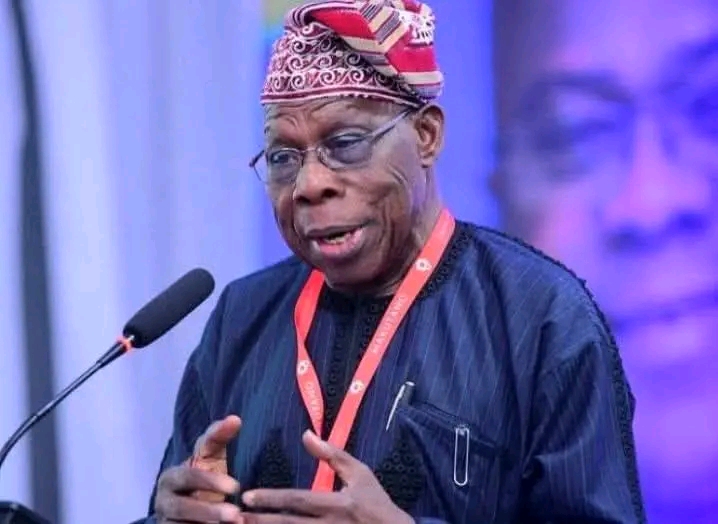
Nigeria’s democracy deeply compromised – Obasanjo


Former President Olusegun Obasanjo on Friday expressed concern that Nigeria’s judiciary has become “deeply compromised”.

Obasanjo noted that corruption among judges has turned Nigerian courts into “court of corruption rather than courts of justice”.

The ex-President made the assertion in his new book, ‘Nigeria: Past and Future’, published by the Olusegun Obasanjo Presidential Library.

The former Nigerian leader lamented what he described as the “steady decline of the judiciary’s integrity”.

“The reputation of the Nigerian judiciary has steadily gone down from the four eras up till today. The rapidity of the precipitous fall, particularly in the Fourth Republic, is lamentable,” he wrote.

The former military Head of State equally stated that justice had become commodified in Nigeria, with dangerous consequences for the nation’s stability.

“The great fear of most well-meaning Nigerians and good friends of Nigeria is that where ‘justice’ is only available to the highest bidder, despair, anarchy, and violence would substitute justice, order, and hope.

“I went to a state in the North about ten years after I left public office. Next to the government guest house was a line of six duplex buildings.

“The governor pointed to the buildings and stated that they belonged to a judge who put them up from the money he made from being the chairman of election tribunals,” Obasanjo said.

He accused the Chairman of the Independent National Electoral Commission, INEC, Mahmood Yakubu, of undermining the electoral process since 2015.

“No wonder politicians do not put much confidence in an election which the INEC of Professor Mahmood Yakubu polluted and grossly undermined to make a charade,” he added.

Posted on Leave a comment

US Contradicts WTO Director-General Ngozi Okonjo-Iweala Over Nigeria’s Economy


The United States has disputed World Trade Organization (WTO) Director-General Dr. Ngozi Okonjo-Iweala’s assessment of Nigeria’s economy, citing that the new minimum wage of N70,000 hasn’t improved the standard of living for Nigerian workers due to the continued depreciation of the Naira.

The US report highlights that the minimum wage, pegged at about $47.90 per month, has lost its value due to the Naira trading at over N1,500 to the dollar. This has resulted in the wage being no longer higher than the poverty income level. Furthermore, the law only applies to employers with 25 or more full-time staff, leaving most workers in the informal economy unprotected.

Some key points from the report include¹ ²:
– Naira Depreciation: The Naira’s continued depreciation has undermined the new minimum wage, making it difficult for workers to afford basic necessities.
– Limited Coverage: The minimum wage law only applies to a small portion of the workforce, with most workers operating in the informal economy.
– Enforcement Issues: The government rarely enforces minimum wage and overtime laws, with penalties being low and not commensurate with other crimes like fraud.
– Informal Economy: Between 70 and 80 percent of Nigeria’s working population operates in the informal economy, where authorities fail to enforce wage, hour, and occupational safety and health laws.

Dr. Okonjo-Iweala had commended President Tinubu’s administration for restoring stability to Nigeria’s economy, but the US report presents a contrasting view, highlighting the challenges faced by Nigerian workers.