Posted on Leave a comment

K1 Placed on No-Fly List for Obstructing Aircraft, Says Aviation Minister

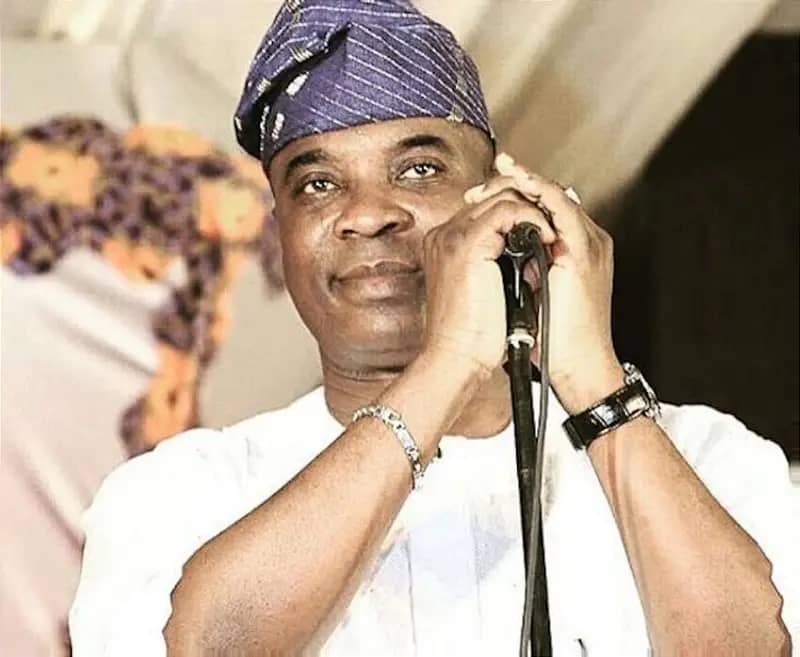
Kwam 1 Placed on No-Fly List for Obstructing Aircraft, Says Aviation Minister

The Minister of Aviation and Aerospace Development, Festus Keyamo, has ordered that Fuji legend King Wasiu Ayinde Marshal, popularly known as Kwam 1, be placed on a no-fly list over his role in disrupting a ValueJet flight at the Nnamdi Azikiwe International Airport, Abuja.

The directive, announced via Keyamo’s official X handle on Thursday, August 7, 2025, followed an incident two days earlier where the musician reportedly obstructed a ValueJet aircraft from taxiing to the runway, sparking safety concerns.

Citing reports and video evidence submitted by aviation authorities, the minister accused Kwam 1 of repeatedly standing in front of the aircraft after a disagreement with airline staff. He described the act as a serious breach of international aviation safety standards.

“In the circumstance, I have also directed the NCAA to place Kwam 1 on a no-fly list pending further and full investigation,” Keyamo wrote. “All airlines, both domestic and international, should immediately be informed of this directive.”

Keyamo also warned that any airline that violates the order risks having its operating licence withdrawn. He criticised what he called selective enforcement of regulations, insisting that both the artiste and the flight crew must face consequences for the safety breach.

Before the directive, the Nigerian Civil Aviation Authority (NCAA) had suspended the pilot and flight captain involved for proceeding to taxi while the tarmac was not cleared, but the minister said this measure was not enough.

The incident, which occurred during boarding for Flight VK 201 to Lagos, began when Kwam 1 allegedly attempted to carry an undeclared flask containing alcohol onboard. Despite warnings from Aviation Security (AVSEC) personnel, he reportedly refused to comply and later poured the contents on a security official, escalating the confrontation.

The musician was eventually removed from the tarmac by AVSEC operatives and released after preliminary questioning, as investigations into the matter continue.
Posted on Leave a comment

FG Launches MSME Clinics in Akure, Provides N250,000 Grants to Small Business Owners

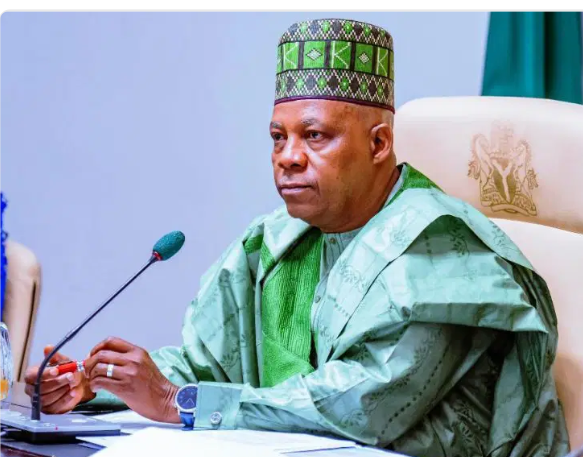
The Federal Government of Nigeria has launched the 7th Expanded National MSME Clinics in Akure, Ondo State, providing a platform for Micro, Small, and Medium Enterprises (MSMEs) to engage directly with regulatory agencies, financial institutions, and business support organizations. During the launch, Vice President Kashim Shettima announced the disbursement of N250,000 unconditional grants to outstanding small business owners in Ondo State.

Key Highlights of the MSME Clinics:
Objective: To create an enabling environment for MSMEs, which account for over 90% of businesses in Nigeria and contribute over 45% to the national economy.
Grants: N250,000 unconditional grants were awarded to exceptional small business owners in Ondo State.
Other Initiatives: The Federal Government also rolled out other support measures, including:
N75 Billion MSME Intervention Fund: Administered by the Bank of Industry to support MSMEs.
N50 Billion Presidential Conditional Grant Scheme: Providing grants of N50,000 each to one million nano businesses across the 774 local government areas of Nigeria.
N75 Billion Manufacturers Fund: Offering up to N1 billion in funding at a 9% interest rate for manufacturers.

The launch of the MSME Clinics in Akure is part of the Federal Government’s efforts to empower small businesses and stimulate economic growth in Nigeria.

Federal Government Provides N250,000 Grants to Support Small Businesses in Ondo State

The Federal Government of Nigeria has taken a significant step towards empowering Micro, Small, and Medium Enterprises (MSMEs) in Ondo State with the launch of the 7th Expanded National MSME Clinics in Akure. During the event, Vice President Kashim Shettima announced the disbursement of N250,000 unconditional grants to outstanding small business owners in the state.

Empowering MSMEs: A Key to Economic Growth

MSMEs play a vital role in Nigeria’s economy, accounting for over 90% of businesses and contributing over 45% to the national economy. The Federal Government’s initiative aims to create an enabling environment for these businesses to thrive.

Key Highlights of the MSME Clinics:

  • Objective: To support MSMEs and stimulate economic growth
  • Grants: N250,000 unconditional grants awarded to exceptional small business owners in Ondo State
  • Other Initiatives:
  • N75 Billion MSME Intervention Fund to support MSMEs
  • N50 Billion Presidential Conditional Grant Scheme providing N50,000 each to one million nano businesses
  • N75 Billion Manufacturers Fund offering up to N1 billion in funding at a 9% interest rate for manufacturers

A Boost to Small Businesses in Ondo State

The launch of the MSME Clinics in Akure is a significant step towards empowering small businesses and stimulating economic growth in Nigeria. The Federal Government’s efforts to support MSMEs will undoubtedly have a positive impact on the economy and improve the lives of many Nigerians.

Posted on Leave a comment

Tinubu Accused of Ignoring N100 Trillion Fraud Evidence, Prioritizing Loans Instead

Tinubu Accused of Ignoring N100 Trillion Fraud Evidence, Prioritizing Loans Instead

Former federal lawmaker Muhammad Kazaure has sparked controversy with allegations against President Bola Tinubu, claiming the president disregarded evidence of a N100 trillion ($113 billion) fraud during the Buhari administration. According to Kazaure, Tinubu personally requested the details of the investigation before his inauguration, but instead of acting on the evidence, his administration continues to seek loans.

Key Points:

  • Allegations of Corruption: Kazaure alleges that Tinubu’s administration is perpetuating corruption by surrounding himself with individuals implicated in the alleged fraud.
  • Presidential Response: The presidency has dismissed Kazaure’s claims as unfounded, particularly regarding stamp duty collections and Central Bank of Nigeria (CBN) funds.
  • EFCC Investigation: The Economic and Financial Crimes Commission (EFCC) has been directed to investigate allegations against government officials, but the credibility of Kazaure’s claims remains unclear.
  • Mixed Reactions: Reactions to Kazaure’s allegations and Tinubu’s corruption ranking have been mixed, with some defending Tinubu and others criticizing his administration’s handling of corruption.
  • Public Discontent: The situation has contributed to public discontent, with many questioning the administration’s commitment to transparency and accountability.

Posted on Leave a comment

Dangote Refinery to List on Nigerian Stock Exchange, Offers Ownership Opportunities to Nigerians

Dangote Refinery to List on Nigerian Stock Exchange, Offers Ownership Opportunities to Nigerians

Aliko Dangote, President of the Dangote Group, has announced plans to list his $20 billion refinery on the Nigerian Stock Exchange by the end of 2026. This move will allow Nigerians to own shares in the refinery, situated in Lekki, Lagos State.

The refinery, Africa’s largest, can process 650,000 barrels of crude oil per day, producing aviation fuel, naphtha, diesel, and gasoline.

Key Highlights:- Listing Plans: The Dangote Refinery will debut on the Nigerian Exchange (NGX) by the end of 2026, enabling Nigerians to buy shares.

Increased Transparency: The listing aims to increase transparency and allow Nigerians and global stakeholders to own a part of Africa’s largest industrial project.-

Access to Capital: The listing could improve the refinery’s access to capital, drive operational accountability, and boost investor confidence.

Partnerships: Dangote is open to partnerships with African governments, private investors, and regional institutions.

Revenue Projections: The company expects to generate $30 billion in annual revenue by 2026 and plans to surpass Qatar as the world’s largest urea exporter within four years.Benefits for Nigerians.

Ownership Opportunities: Nigerians will have the chance to own a piece of the refinery, promoting inclusivity and economic participation.

Economic Growth: The refinery’s listing could contribute to Nigeria’s economic growth and development.- Job Creation: The project may create employment opportunities, both directly and indirectly, in the oil and gas sector.

Posted on Leave a comment

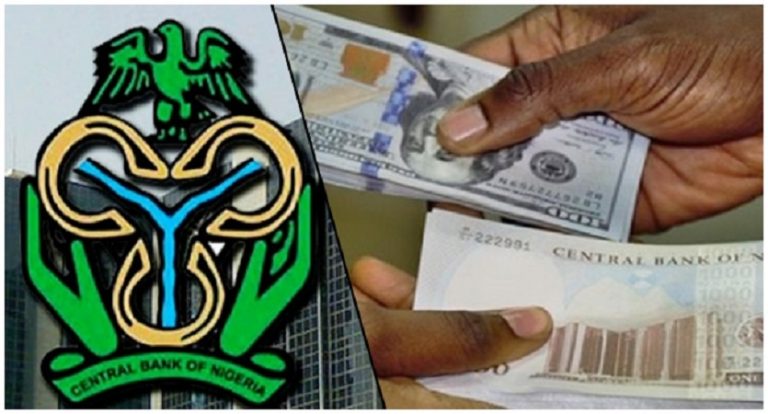
From Strength to Weakness: The Naira’s Journey Over the Years”

The Naira’s value has fluctuated significantly over the years. In the early 1980s, the exchange rate was favorable, with $1 equivalent to approximately ₦0.550-0.647. By 1983, the rate had improved further, with $1 worth around ₦0.724-0.894. However, from the late 1980s onwards, the Naira began to depreciate steadily.

Key Factors Contributing to the Naira’s Decline:

  • Over-reliance on Oil Exports: Nigeria’s economy has historically been heavily dependent on oil exports, making it vulnerable to fluctuations in global oil prices.
  • Lack of Diversification: The country’s failure to diversify its economy has limited its ability to generate foreign exchange through other means.
  • Poor Governance and Corruption: Weak institutions, corruption, and poor governance have hindered economic growth and development.
  • Monetary Policy Challenges: The Central Bank of Nigeria’s interventions, while aimed at stabilizing the currency, have sometimes exacerbated the problem.
  • External Debt and Financing: Nigeria’s external debt and financing challenges have put pressure on the Naira.

Current State of the Naira:

  • As of August 6, 2025, the exchange rate stands at approximately ₦1,527.69 per $1.
  • The Naira has been experiencing volatility, with the Central Bank of Nigeria intervening to defend the currency.
  • The black market rate has been higher than the official rate, reflecting the demand for foreign exchange.

Potential Solutions:

  • Diversifying the Economy: Encouraging non-oil exports and promoting economic growth through diversification.
  • Improving Governance and Institutions: Strengthening institutions and promoting good governance to attract foreign investment.
  • Monetary Policy Reforms: Implementing effective monetary policies to stabilize the currency and promote economic growth.
  • Promoting Transparency and Accountability: Enhancing transparency and accountability in governance and economic management.
Posted on Leave a comment

The Increments In Nigeria Level Of Corruption

Nigeria’s corruption quagmire is a persistent issue that has plagued the nation for decades, with each era leaving its mark on the nation’s psyche.

Here’s a breakdown of the corruption landscape in Nigeria:Historical Context-

Abacha Era (1993-1998): General Sani Abacha’s regime was notorious for brazen corruption, with an estimated $3-5 billion looted from the nation’s treasury.-

Babangida’s Administration (1985-1993): General Ibrahim Babangida’s regime was characterized by crony capitalism and corruption, with the “IBB Boys” amassing wealth through illicit means.- Democratic Era: Corruption continued to thrive in democratic governments, with notable scandals including the Malabu Oil scandal and diversion of funds meant for healthcare and infrastructure.

Current State of Corruption- Nigeria ranks 140 out of 180 countries on Transparency International’s Corruption Perceptions Index (CPI) with a score of 26 out of 100.- Weak institutions, lack of accountability, and poor governance perpetuate corruption.- Specific cases of corruption include:- Oil Theft and Subsidy Fraud: Nigeria loses significant revenue due to rampant oil theft and fuel subsidy fraud.- Judicial Corruption: 61% of Nigerian households believe judges are likely to accept bribes.- Bribery and Extortion: Many citizens and businesses face corruption in daily transactions.- Embezzlement of PublicNigeria’s corruption quagmire is a persistent issue that has plagued the nation for decades, with each era leaving its mark on the nation’s psyche. Here’s a breakdown of the corruption landscape in Nigeria:

Historical Context

  • Abacha Era (1993-1998): General Sani Abacha’s regime was notorious for brazen corruption, with an estimated $3-5 billion looted from the nation’s treasury.
  • Babangida’s Administration (1985-1993): General Ibrahim Babangida’s regime was characterized by crony capitalism and corruption, with the “IBB Boys” amassing wealth through illicit means.
  • Democratic Era: Corruption continued to thrive in democratic governments, with notable scandals including the Malabu Oil scandal and diversion of funds meant for healthcare and infrastructure.

Current State of Corruption

  • Nigeria ranks 140 out of 180 countries on Transparency International’s Corruption Perceptions Index (CPI) with a score of 26 out of 100.
  • Weak institutions, lack of accountability, and poor governance perpetuate corruption.
  • Specific cases of corruption include:
  • Oil Theft and Subsidy Fraud: Nigeria loses significant revenue due to rampant oil theft and fuel subsidy fraud.
  • Judicial Corruption: 61% of Nigerian households believe judges are likely to accept bribes.
  • Bribery and Extortion: Many citizens and businesses face corruption in daily transactions.
  • Embezzlement of Public Funds: Cases of misappropriation continue to affect governance.

The Way Forward

Public Participation: Encouraging citizens to hold government officials accountable. Funds: Cases of misappropriation continue to affect governance.The Way Forward- Institutional Reforms: Strengthening anti-corruption agencies and improving transparency in government.- Accountability Mechanisms: Prosecuting corruption cases regardless of perpetrators’ status or position.- Promoting Transparency: Implementing robust anti-corruption frameworks and ensuring public access to government contracts and budgets.- Judicial Reforms: Strengthening judicial integrity and implementing whistleblower protections.- Public Participation: Encouraging citizens to hold government officials accountable.

Institutional Reforms: Strengthening anti-corruption agencies and improving transparency in government.

Accountability Mechanisms: Prosecuting corruption cases regardless of perpetrators’ status or position.

Promoting Transparency: Implementing robust anti-corruption frameworks and ensuring public access to government contracts and budgets.

Judicial Reforms: Strengthening judicial integrity and implementing whistleblower protections.

Posted on Leave a comment

They Have Finished Nigeria

Sowore Slams Government Over N712 Billion Airport Terminal RehabOmoyele Sowore, a Nigerian human rights activist and founder of Sahara Reporters, has expressed outrage over the approval of N712.26 billion for the rehabilitation of the Lagos Airport terminal. Sowore stated, “They have finished Nigeria,” suggesting that the amount was excessive and the project’s execution could be marred by corruption.Sowore’s criticism is not limited to infrastructure projects.

He has also been vocal about governance issues, zoning of the presidency, and the need for competent leadership. In an interview with Channels Television, Sowore argued that Nigeria should focus on finding a capable president, regardless of their region, rather than adhering to a rotational presidency system. He believes this approach would allow the most qualified individuals to run for office and be judged on their merits.

Some of Sowore’s notable statements and actions include:- Critique of Rotational Presidency: Sowore faults the rotational presidency system, advocating for a more merit-based approach to leadership.- Call for Open Elections: He believes every Nigerian should have the opportunity to run for office, with voters deciding based on character, experience, and vision.- Activism and Protests: Sowore has been involved in various protests, including the #EndBadGovernance protests, which led to his detention by the Department of State Services (DSS) in September 2024.- Detention and Release: Sowore was detained by Nigerian Immigration upon arrival at the Murtala Muhammed International Airport in Lagos but was later released after a brief interrogation.

Posted on Leave a comment

Nigeria’s Naira: Navigating the Challenges of Foreign Exchange

The Naira has been fluctuating against the US dollar due to various economic factors.

Here are some key points:- Naira Appreciation: The Naira appreciated against the dollar at the official foreign exchange market, rising to N1,531.95 from N1,533.74 the previous week, showing a strengthening of N1.79.- Black Market Rate: In contrast, the Naira remained stable at N1560 per dollar in the black market, maintaining the same exchange rate as the previous week.- External Reserves: Nigeria’s external reserves have been increasing, reaching $39.54 billion as of August 1, 2025, up from $39.36 billion on July 30.- Import Duty Exchange Rate: The Central Bank of Nigeria increased the import duty exchange rate to N1618.73 due to foreign exchange fluctuations, rising by N18 from the previous rate of N1600.32.

Economic Factors: The Naira’s value is influenced by factors such as: – Dollar Scarcity: The dollar’s growing scarcity and demand in Nigeria contribute to the Naira’s fluctuation. –

Trade Imbalance: Nigeria’s trade imbalance, where imports exceed exports, puts pressure on the Naira’s value.

– Inflation and Policy: Structural issues like rampant inflation, political instability, and inconsistent economic policies also impact the Naira’s value.These factors highlight the complexities of Nigeria’s economy and the challenges faced by the Naira in the foreign exchange market.

Posted on Leave a comment

“Don’t Be Left Behind: IT is a Must for Boosting Efficiency and Productivity

“Don’t Be Left Behind: IT is a Must for Boosting Efficiency and Productivity”

By: Comr. Sulaiman Abdulfatai


In today’s competitive business landscape, staying ahead of the curve is crucial. One way to do this is by leveraging Information Technology (IT) to boost efficiency and productivity. IT is no longer a luxury, but a necessity for businesses and professionals looking to stay relevant.


By incorporating IT into your work, you can:

– Automate repetitive tasks and focus on high-value activities
– Streamline processes and reduce errors
– Enhance collaboration and communication with colleagues and clients
– Gain insights and make data-driven decisions
– Improve customer service and respond quickly to inquiries

Don’t get left behind. Invest in IT and take your work to the next level. Whether you’re a small business owner, entrepreneur, or professional, IT can help you work smarter, not harder.

Posted on Leave a comment

The Importance of IT in the 21st Century

In today’s fast-paced, technology-driven world, Information Technology (IT) plays a vital role in driving business success, innovation, and economic growth. Here are some reasons why IT is crucial in the 21st century:

  1. Global Connectivity: IT enables global communication, collaboration, and connectivity, bridging geographical gaps and fostering international relationships.
  2. Business Efficiency: IT streamlines processes, automates tasks, and enhances productivity, allowing businesses to operate more efficiently and effectively.
  3. Innovation and Competitiveness: IT drives innovation, enabling businesses to develop new products, services, and business models, and stay competitive in a rapidly changing market.
  4. Economic Growth: IT contributes to economic growth by creating new industries, jobs, and opportunities, and improving overall productivity.
  5. Improved Customer Experience: IT enables businesses to provide personalized, responsive, and efficient services, enhancing customer satisfaction and loyalty.
  6. Data-Driven Decision Making: IT provides businesses with valuable insights and data, enabling informed decision-making and strategic planning.
  7. Cybersecurity: IT helps protect businesses and individuals from cyber threats, ensuring the security and integrity of sensitive information.

In summary, IT is essential in the 21st century because it drives business success, innovation, and economic growth, while also improving customer experience, efficiency, and decision-making.