Posted on Leave a comment

The Key to Success: Skills Over Scrolls

The Key to Success: Skills Over Scrolls

As we often look to the stories of successful entrepreneurs like Steve Jobs, Bill Gates, and Mark Zuckerberg, who dropped out of college to pursue their passions, it’s easy to wonder if formal education is truly necessary for success. However, it’s essential to remember that these cases are exceptions rather than the rule.

What Works for the Few May Not Work for the Many

While some highly successful entrepreneurs have achieved greatness without completing their formal education, many others have benefited greatly from the skills, knowledge, and networking opportunities that formal education provides.

The Real Key to Success: Skills Development

Regardless of educational background, the key to success lies in developing valuable skills that can be applied in real-world situations. Here are some skills that can benefit entrepreneurs and individuals alike:

  • Problem-solving: The ability to analyze problems and come up with creative solutions.
  • Communication: Effective communication is crucial for building relationships, negotiating, and leading teams.
  • Adaptability: The ability to adapt to changing circumstances and pivot when necessary.
  • Resilience: The capacity to bounce back from failures and keep moving forward.
  • Creativity: The ability to think outside the box and come up with innovative solutions.

Advice for Youth and Parents

Rather than focusing solely on academic achievement, it’s essential to prioritize skills development. Here are some tips:

  • Encourage hands-on learning: Engage in projects, internships, and extracurricular activities that develop practical skills.
  • Foster creativity: Encourage curiosity, experimentation, and creativity.
  • Develop soft skills: Focus on building strong communication, teamwork, and problem-solving skills.
Posted on Leave a comment

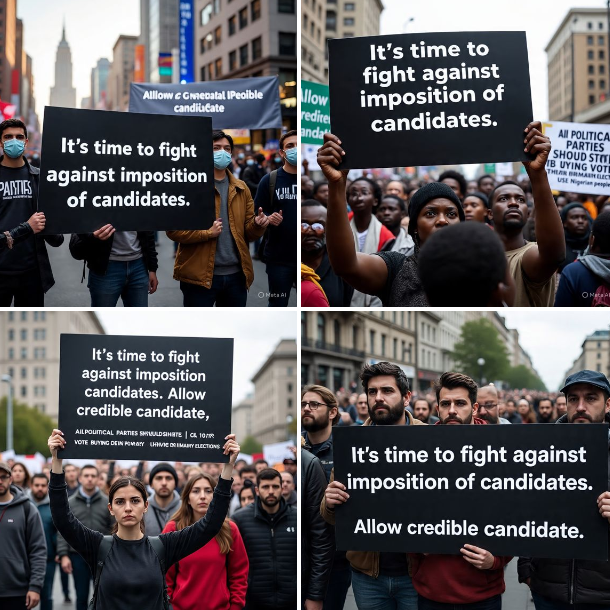
It’s Time to Fight Against Imposition of Candidates – By Comrade Sulaiman A. O.

It’s Time to Fight Against Imposition of Candidates
By Comrade Sulaiman A. O.

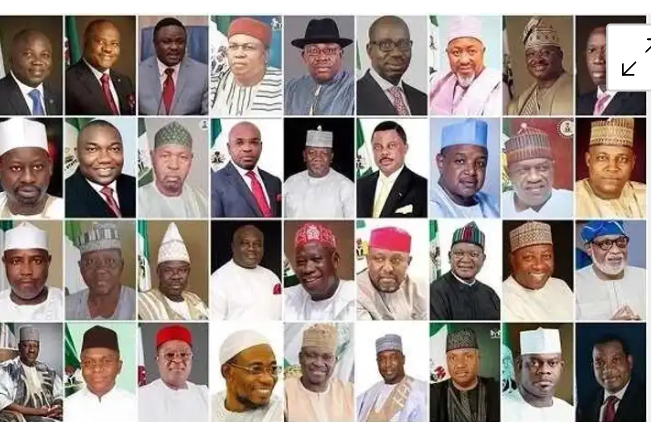
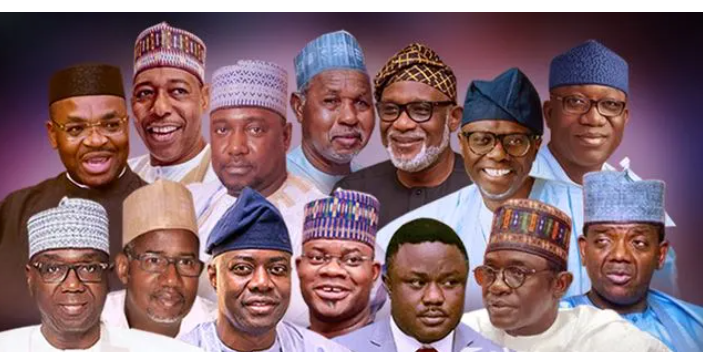
Nigeria’s democratic system is at a crossroads, and it’s imperative that we demand better representation and hold our leaders accountable. The current trend of imposing candidates on the people is a recipe for disaster, leading to individuals who are more loyal to their appointers than to the masses they serve.

The Problem with Imposed Candidates

Imposed candidates often lack the mandate of the people, prioritizing the interests of their leaders over those of their constituents. This can result in policies that benefit the few at the expense of the many. In Kwara State, for instance, imposed candidates have undermined the will of the people, highlighting the need for a more democratic and inclusive system of governance.

The Power of Electoral Mandate

When leaders are elected by the people, they are more likely to be accountable and responsive to the needs of their constituents. The electoral mandate gives them the legitimacy and authority to make decisions that benefit the greater good. In contrast, imposed candidates often lack this mandate, prioritizing the interests of their appointers.

A Call to Action

It’s time for us to take a stand and demand change. We must reject any party that imposes candidates on the people and instead support those that allow the democratic process to unfold. By electing capable leaders who are accountable to the people, we can build a brighter future for ourselves and future generations.

Personal Experience in Kwara State

In Kwara State, we have seen firsthand the impact of imposed candidates on the democratic process. The lack of accountability and responsiveness to the people’s needs has led to widespread disillusionment with the political system. However, we have also seen the power of grassroots movements and community-led initiatives that demand better leadership and representation. These experiences have shown us that change is possible when people come together to demand a better future.

Conclusion

The fate of our democracy rests in our hands. We must be vigilant and proactive in demanding better leadership and representation. By electing capable leaders who are accountable to the people, we can build a brighter future for ourselves and future generations. Let’s join forces to fight against the imposition of candidates and promote a more democratic and inclusive system of governance.

Posted on Leave a comment

YOUTH USEFULNESS AND USELESSNESS IN SOCIETY BUILDING

By Com. Sulaiman Abdulfatah O.PGF National President.

PRESIDENT’S SPEECH DELIVERED TODAY 27/12/2014

YOUTH USEFULNESS AND USELESSNESS IN SOCIETY BUILDING

The Chairman, Special guests of honor, the Royal Fathers, the Patrons and Matrons, members of the forum,Gentlemen of the press, Ladies and Gentlemen.

Permit me to emphasis first on the meaning of the word youth using the definitions in the Oxford

 dictionary:

 Here we have 3 meanings; one is denotative and others, connotative. Firstly, youth is the time of life when a person is young, especially the time when a child becomes a young adult. That’s youth is the intermediary between childhood and adulthood in life. Perhaps, one only savours this chance in life but once. And the Yoruba has a catchphrase to show the significance or dynamism of this period of life, so they call it “Igba Sango ode” – that is the period when somebody is more active and powerful in life. Yes, the emperor, Alaafin Sango who is the eponym of this age was a youth and became epitome of power in human history to the extent of that he was  deified as god-of-thunder. There is more information about him in Yorupedia.

Again, youth is the quality or state of being young. And what is young? Young means “not fully developed or experienced. In this case, a youth needs the valuable supports of the experienced or fully developed people in the society to realize his dream in life.

Perhaps, adulthood is a period or page that a youth needs to enter later through the guidance from the experienced elders/leaders. And from the Yoruba experience, “ewe a ma soro bi ewe”- that youth is characterized with inexperience of the life cult. This is where culture needs to be transmitted from the older and morally experienced generation of elders to the young generation to assimilate for the continuity of our humane cultural heritage.   

Therefore a youth needs to grow and be fully developed by the elders/leaders of today for the same would become the leaders/elders of tomorrow.

And finally, a youth is a young man as long as he is a man but young he has some sacrifice and service to render to his immediate society and humanity at large.

So youth is a period, in summary, when a child becomes a young man with is unusual craze for everything life has to offer in fortune.

Note that youth is young and initially imagines most of the fantasies of life as realities. It is common in a youth dream that to become rich is to hit a jack-port or stumble on a port-folio full of money like the one the lazy Baba Sala found in one of his dramas that later landed him into a police custody. Therefore, youth hates looking at the other side of life to survive; but ironically, life offers man some literarily incompatible pairs like”no struggle no success” “no endurance no achievement” “no pains no gains, no humility no adoration, no sacrifice, no benefit, no bitterness no sweetness just to mention but a few.

At this juncture, the society needs to decide on how to guild and guard this important gift of human creation to enhance growth and development.

To make the youth useful, the society must prepare to educate, orientate and empower them for the general wellbeing of the society in turn.

Any attempt to ignore the best ways of preparing the youth through standard education and empowerment programs, the society will be like a fowl messing up a pot of soup but ironically never realizes it is preparing itself for a cook to garnish soup. Therefore, if the society fails to make youth useful, the youth being active and dynamic will surely become useless and become a threat to the wellbeing of the general public. You know, idle hand is the devil’s workshop.

And if the youth should be ignored, the future is already dead and interned before the arrival of the messiah; the useful youth among the grotesque ones.

Therefore our campaign is to make the useful youth more useful and salvage the useless youth to rehabilitate them to effectively build a strong and progressive society or nation.

However, so far so good, in this campaign we have been able to achieve the following and we would be happy to count on your support for continuity of the service to the youth community and society at large.

1.         Vocational training and retraining of youth

2.         Youth Sports promotion

3.         Youth empowerment programs

4.         Free computer training and coaching

5.         Youth sensitization and orientation programs

6.         Scholarship

7.         Production of leadership/personalities magazine and award

8.         Arrangement of free meal during Ramadan fasting and other festivals

9.         Organization of sermons and free distribution of religion Books i.e Alquran and Dalaylu

10.       Distribution of education materials e.g. exercise books, chalks, pen and dusters to some basic Schools

11.       Production of Packaged Gari to boost food production in the country.                                      

Thanks, God bless you. God bless KwaraState

 and God bless Nigeria

.

PGF! PROGRESS! BUILD THE YOUTH! BUILD THE NATION!

Posted on Leave a comment

How Nigerians Contribute to Politicians’ Misuse of Public Funds

The Enabling Environment: How Nigerians Unintentionally Support Politicians’ Corruption

By Comr. Sulaiman Abdulfatai

Nigeria’s political landscape has long been plagued by corruption, with politicians often accused of looting public funds with impunity. While politicians bear the primary responsibility for these actions, it’s essential to examine the role Nigerians play in enabling this behavior.

Electoral Apathy and Lack of Accountability

Many Nigerians often prioritize personal interests over national concerns, failing to hold elected officials accountable for their actions. This apathy creates an environment where politicians feel emboldened to engage in corrupt practices without fear of consequences.

Vote Buying and Patronage

The widespread practice of vote buying and patronage in Nigerian politics perpetuates corruption. By accepting bribes or promises of personal gain in exchange for votes, citizens inadvertently contribute to the corrupt system.

Tolerance for Corruption

Some Nigerians tolerate or even celebrate politicians’ corrupt activities if they benefit personally or perceive benefits for their community. This tolerance sends a signal that corrupt behavior is acceptable, further entrenching the problem.

Demanding Unnecessary Financial Support

Additionally, some Nigerians demand unnecessary financial support from politicians, expecting handouts or gifts in exchange for loyalty or support. This expectation can lead politicians to prioritize personal gain over public service, further fueling corruption.

Fabricated Stories for Financial Gain

Some individuals fabricate stories or lies to extract money from politicians or those who work for them. This behavior not only diverts resources meant for public good but also contributes to the corrupt system.

Lack of Civic Engagement

Limited civic engagement and lack of participation in public discourse allow corrupt politicians to operate with relative impunity. When citizens don’t engage in meaningful discussions about governance and accountability, politicians may feel less inclined to act with integrity.

Cultural and Social Pressures

In some cases, cultural and social pressures can lead Nigerians to prioritize loyalty to politicians or parties over accountability and good governance. This can create a culture where corruption is normalized and whistleblowers are ostracized.

Breaking the Cycle

To break this cycle, Nigerians must demand better governance and hold politicians accountable for their actions. This requires:

  1. Increased civic engagement: Citizens must participate in public discourse and demand transparency and accountability.
  2. Electoral reform: Electoral processes must be reformed to prevent vote buying and ensure credible elections.
  3. Whistleblower protection: Mechanisms must be put in place to protect whistleblowers and encourage reporting of corrupt activities.
  4. Cultural shift: Nigerians must prioritize accountability and good governance over personal or community interests.
  5. Smart vote strategy: Even if a politician is trying to buy your vote, collect his money and vote for the right candidate.

By working together, Nigerians can create an environment where politicians are incentivized to act with integrity and serve the public interest.

Posted on Leave a comment

“The Vicious Cycle: How Nigerian Politicians Exploit the System”By Sulaiman Abdulfatai O.

“The Vicious Cycle: How Nigerian Politicians Exploit the System”
By Sulaiman Abdulfatai O.

As Nigerians, we’ve seen time and time again how politicians exploit our weaknesses to further their own interests. But what are these weaknesses, and how can we break free from this cycle?

The Weaknesses:

  • Lack of Civic Education: Many Nigerians lack a deep understanding of their rights, responsibilities, and the inner workings of government.
  • Ethnic and Regional Loyalties: Politicians often exploit ethnic and regional divisions to garner support.
  • Poverty and Economic Desperation: When people are struggling to make ends meet, they may prioritize short-term gains over long-term benefits.
  • Lack of Critical Thinking: Without critical thinking skills, citizens may be more susceptible to misinformation and manipulation.
  • Apathy and Disengagement: When citizens feel disconnected from the political process, they may become apathetic and disengage.

The Consequences:

  • Electoral Manipulation: Politicians exploit these weaknesses to win elections through unfair means.
  • Poor Governance: Without accountability, politicians prioritize personal gain over the needs of the people.
  • Perpetuation of Corruption: Corrupt politicians continue their practices, knowing citizens are unaware or unwilling to hold them accountable.

Breaking the Cycle:

  • Civic Education: Promote civic education to empower citizens.
  • Critical Thinking: Encourage critical thinking skills.
  • Economic Empowerment: Address poverty and economic desperation.
  • Engagement and Activism: Citizens must engage with the political process and demand accountability.

Actionable Steps:

  1. Educate yourself about your rights and responsibilities.
  2. Evaluate information critically.
  3. Support economic development.
  4. Participate in the political process.

Together, We Can Build a Better Nigeria!

Posted on Leave a comment

Producing Leaders as a Leader:


Producing Leaders as a Leader:

As a leader, your role extends beyond just managing a team – it’s about building other leaders. In this two-part series, we’ll explore the essential principles for producing leaders who can transform and grow your organization. Let’s dive into the first two principles:

1. Model the Behavior You Want

Great leaders don’t just build teams; they build other leaders. To raise leaders, you must model the behavior you want to see. This means demonstrating integrity, empathy, accountability, and vision consistently. Consistency is key to building trust, and as a leader, you’re always being watched. Your character reflects in the culture and caliber of your team, so it’s essential to lead by example.

2. Identify and Develop Potential


Don’t just look for finished products; identify raw potential in individuals who show initiative, curiosity, emotional intelligence, and resilience. Your role is to develop stars, not just manage them. Every follower has potential worth releasing, and your job is to see it, believe in it, and bring it out through mentoring, coaching, and opportunity.

By following these principles, you’ll be well on your way to producing leaders who can transform and grow your organization. Stay tuned for Part 2, where we’ll explore more essential principles for leadership development.

What are your thoughts on leadership development? Share your experiences and insights in the comments below!

Posted on Leave a comment

Gambari Reveals How Cabal Smuggled Memos to Buhari

Gambari Reveals How Cabal Smuggled Memos to Buhari

Former Chief of Staff to President Muhammadu Buhari, Prof. Ibrahim Gambari, has shed light on how some members of the president’s inner circle would secretly send memos to him, bypassing the official channel. Gambari disclosed this on Channels Television’s Inside Sources, stating that despite Buhari’s directive that all memos should go through the Chief of Staff, some appointees exploited the president’s “weak point” to get their messages across informally.

How the Cabal Operated

Gambari explained that these individuals knew when to smuggle memos to the president, taking advantage of their informal relationships with him. Although Buhari had instructed that all memos should be routed through the Chief of Staff, some appointees found ways to circumvent this process.

Existence of a Cabal

Gambari also addressed the long-standing reports of a powerful cabal operating in Buhari’s presidency. He acknowledged that every government has a group of influential individuals, often referred to as a “kitchen cabinet” or “think tank.” According to Gambari, these individuals are people the president trusts and can confide in freely.

Buhari’s Decision-Making Style

Gambari also reflected on Buhari’s decision-making style, describing him as deeply loyal to his appointees and reluctant to fire anyone, even in the face of mounting pressure. This insight provides a glimpse into the workings of Buhari’s presidency and the dynamics of his relationships with his team.

Posted on Leave a comment

To All Nigerian Leader: “You stood on the shoulders of giants, will you not be a shoulder for the next generation?”

*The Unfair Advantage: How Nigerian Leaders’ Past Privileges Contrast with Today’s Youth Struggles**Leaders, It’s Time to Walk the Talk: Empowering Nigeria’s Future*It’s a stark reality that many Nigerian leaders, including presidents, governors, ministers, directors, and managers, achieved success at a relatively young age due to favorable circumstances. By their 30s and 35, many had already secured prominent positions and settled into their careers. However, the same opportunities and support are not available to today’s youth. Instead, they face significant challenges, making it difficult for them to thrive.The contrast between the past and present is striking. Leaders like Muhammadu Buhari, Goodluck Jonathan, and Olusegun Obasanjo, among others, rose to prominence in their younger years. Meanwhile, today’s youth are struggling to make ends meet, facing issues like unemployment, limited access to education, and economic instability.This disparity raises important questions about the fairness and equity of the system. Why should some individuals have access to opportunities and resources that others do not? What can be done to level the playing field and ensure that all Nigerian youth have a chance to succeed?It’s time for Nigerian leaders to recognize the potential and talents of the younger generation and work towards creating a more inclusive and supportive environment. This could involve initiatives like:- Investing in education and vocational training- Providing access to mentorship and networking opportunities- Encouraging entrepreneurship and innovation- Creating jobs and stimulating economic growthThe question remains: will Nigerian leaders learn from the past and create opportunities for today’s youth, or will they continue to perpetuate a system that holds them back? The future of Nigeria’s youth depends on the answers to these questions.*Let’s spark a conversation:*What do you think can be done to support Nigerian youth and create a more level playing field? Share your thoughts and ideas in the comments below!

Posted on Leave a comment

To Nigerian Leaders: “You stood on the shoulders of giants, will you not be a shoulder for the next generation?”

The Unfair Advantage: How Nigerian Leaders’ Past Privileges Contrast with Today’s Youth Struggles Leaders, It’s Time to Walk the Talk: Empowering Nigeria’s Future it’s a stark reality that many Nigerian leaders, including presidents, governors, ministers, directors, and managers, achieved success at a relatively young age due to favorable circumstances. By their 30s and 35, many had already secured prominent positions and settled into their careers.

However, the same opportunities and support are not available to today’s youth. Instead, they face significant challenges, making it difficult for them to thrive.The contrast between the past and present is striking. Leaders like Muhammadu Buhari, Goodluck Jonathan, and Olusegun Obasanjo, among others, rose to prominence in their younger years.

Meanwhile, today’s youth are struggling to make ends meet, facing issues like unemployment, limited access to education, and economic instability.This disparity raises important questions about the fairness and equity of the system. Why should some individuals have access to opportunities and resources that others do not? What can be done to level the playing field and ensure that all Nigerian youth have a chance to succeed?It’s time for Nigerian leaders to recognize the potential and talents of the younger generation and work towards creating a more inclusive and supportive environment.

This could involve initiatives like:- Investing in education and vocational training- Providing access to mentorship and networking opportunities- Encouraging entrepreneurship and innovation- Creating jobs and stimulating economic Growth the question remains: will Nigerian leaders learn from the past and create opportunities for today’s youth, or will they continue to perpetuate a system that holds them back? The future of Nigeria’s youth depends on the answers to these questions.Let’s spark a conversation:What do you think can be done to support Nigerian youth and create a more level playing field? Share your thoughts and ideas in the comments below!

Posted on Leave a comment

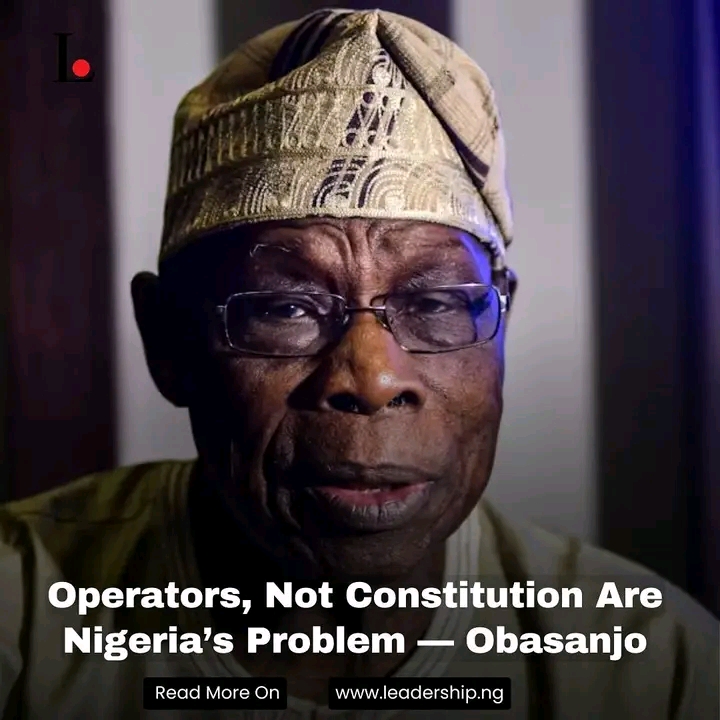
Obasanjo: Nigeria’s Problem Lies with Law Operators, Not Constitution

Obasanjo: Nigeria’s Problem Lies with Law Operators, Not Constitution

Former President Olusegun Obasanjo has stated that the effectiveness of a constitution depends on its operators, rather than its strength or weakness. Speaking at the National Constitutional Summit in Abuja, Obasanjo emphasized that even the best constitution can be perverted and distorted by its operators, citing examples from Africa, including Nigeria.

According to Obasanjo, if the same individuals who have operated the system for over a decade and a half remain in power, Nigerians’ welfare will continue to be compromised due to selfishness, corruption, and impunity.

Obasanjo’s remarks highlight the importance of leadership and accountability in Nigeria’s development, suggesting that constitutional reforms alone may not be enough to address the country’s challenges.