Posted on Leave a comment

Benefits for the Family of Late President Muhammadu Buhari

“Benefits for the Family of Late President Muhammadu Buhari:

A Breakdown”The family of late President Muhammadu Buhari is entitled to several benefits, including:Annual Allowance: ₦1 million annually, paid in four quarterly installments of ₦250,000, for the upkeep of the spouse and education of the children up to university level.

  1. Personal Staff: A senior administrative officer and a personal secretary (not below Grade Level 12) selected by the deceased’s family but paid by the Federal Government.Security: Three to four armed police officers and a State Security Service (SSS) officer of at least Grade Level 10 attached to the family for life.

2. Vehicles: Three vehicles purchased by the Federal Government, replaceable every four years, with drivers selected by the family and paid by the government.

3. Free Medical Treatment: Medical treatment for the family within Nigeria and abroad when necessary, at Federal Government expense.

4. Office Accommodation: A well-furnished and equipped office in a location of their choice within Nigeria.

5. Residential Accommodation: A well-furnished five-bedroom house in a location of their choice within Nigeria.

6. Diplomatic Passport: A diplomatic passport for life, entitling them to protocol within and outside Nigeria.

7. Postal Privileges: The ability to send non-political mail within and outside Nigeria as franked mail marked “POSTAGE PAID”

8.Telephone: One direct telephone line provided at Federal Government expense.
Posted on Leave a comment

“The Vicious Cycle: How Nigerian Politicians Exploit the System”By Sulaiman Abdulfatai O.

“The Vicious Cycle: How Nigerian Politicians Exploit the System”
By Sulaiman Abdulfatai O.

As Nigerians, we’ve seen time and time again how politicians exploit our weaknesses to further their own interests. But what are these weaknesses, and how can we break free from this cycle?

The Weaknesses:

  • Lack of Civic Education: Many Nigerians lack a deep understanding of their rights, responsibilities, and the inner workings of government.
  • Ethnic and Regional Loyalties: Politicians often exploit ethnic and regional divisions to garner support.
  • Poverty and Economic Desperation: When people are struggling to make ends meet, they may prioritize short-term gains over long-term benefits.
  • Lack of Critical Thinking: Without critical thinking skills, citizens may be more susceptible to misinformation and manipulation.
  • Apathy and Disengagement: When citizens feel disconnected from the political process, they may become apathetic and disengage.

The Consequences:

  • Electoral Manipulation: Politicians exploit these weaknesses to win elections through unfair means.
  • Poor Governance: Without accountability, politicians prioritize personal gain over the needs of the people.
  • Perpetuation of Corruption: Corrupt politicians continue their practices, knowing citizens are unaware or unwilling to hold them accountable.

Breaking the Cycle:

  • Civic Education: Promote civic education to empower citizens.
  • Critical Thinking: Encourage critical thinking skills.
  • Economic Empowerment: Address poverty and economic desperation.
  • Engagement and Activism: Citizens must engage with the political process and demand accountability.

Actionable Steps:

  1. Educate yourself about your rights and responsibilities.
  2. Evaluate information critically.
  3. Support economic development.
  4. Participate in the political process.

Together, We Can Build a Better Nigeria!

Posted on Leave a comment

10 Ways to Boost Your Productivity in Nigeria’s Fast-Paced Environment


10 Ways to Boost Your Productivity in Nigeria’s Fast-Paced Environment

Are you struggling to stay productive in Nigeria’s fast-paced environment? With the constant distractions and demands on your time, it can be challenging to stay focused and achieve your goals. Here are 10 ways to boost your productivity and get more done in less time:

1. Set clear goals: Start your day by setting clear goals and priorities. This will help you stay focused and motivated.
2. Use a planner or calendar: Write down your schedule and tasks to help you stay organized and on track.
3. Avoid distractions: Identify common distractions, such as social media or email, and find ways to minimize them.
4. Take breaks: Taking regular breaks can help you recharge and stay focused.
5. Stay hydrated and energized: Drink plenty of water and eat nutritious foods to help maintain your energy levels.
6. Prioritize self-care: Make time for activities that help you relax and reduce stress.
7. Learn to say no: Be mindful of your workload and avoid taking on too much.
8. S

Use technology to your advantage: Utilize tools and apps that help you stay organized and focused.
9. Create a conducive work environment: Ensure your workspace is comfortable and conducive to productivity.
10. Stay motivated: Find ways to stay motivated, such as setting rewards for yourself or finding a productivity buddy.

By implementing these tips, you can boost your productivity and achieve your goals in Nigeria’s fast-paced environment.

Additional resources:

– “The 7 Habits of Highly Effective People” by Stephen Covey
– “Getting Things Done” by David Allen

Share your thoughts: What are your favorite productivity tips? Share them with us in the comments below!

Posted on Leave a comment

Producing Leaders as a Leader:


Producing Leaders as a Leader:

As a leader, your role extends beyond just managing a team – it’s about building other leaders. In this two-part series, we’ll explore the essential principles for producing leaders who can transform and grow your organization. Let’s dive into the first two principles:

1. Model the Behavior You Want

Great leaders don’t just build teams; they build other leaders. To raise leaders, you must model the behavior you want to see. This means demonstrating integrity, empathy, accountability, and vision consistently. Consistency is key to building trust, and as a leader, you’re always being watched. Your character reflects in the culture and caliber of your team, so it’s essential to lead by example.

2. Identify and Develop Potential


Don’t just look for finished products; identify raw potential in individuals who show initiative, curiosity, emotional intelligence, and resilience. Your role is to develop stars, not just manage them. Every follower has potential worth releasing, and your job is to see it, believe in it, and bring it out through mentoring, coaching, and opportunity.

By following these principles, you’ll be well on your way to producing leaders who can transform and grow your organization. Stay tuned for Part 2, where we’ll explore more essential principles for leadership development.

What are your thoughts on leadership development? Share your experiences and insights in the comments below!

Posted on Leave a comment

Buhari Rejected N10m Food Budget As President; Ate Beans, Pap,

Buhari Rejected N10m Food Budget As President; Ate Beans, Pap,

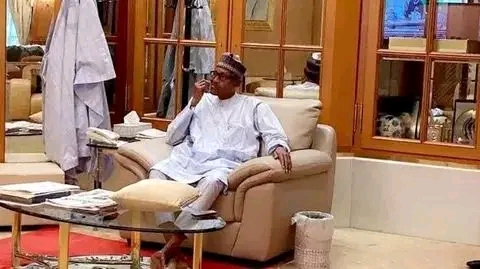
In the grand halls of Aso Rock, where power and opulence often intertwine, former President Muhammadu Buhari carved out a legacy of simplicity that left an indelible mark on Nigeria’s presidency. As the nation mourned his passing on July 13, 2025, his former spokesman, Garba Shehu, unveiled a poignant chapter from Buhari’s eight-year tenure in a new book, Lessons from a Presidential Spokesperson’s Experience. It was a story not of lavish banquets, but of beans, pap, and a leader who rejected extravagance with a resolute cry.

When Buhari assumed office in 2015, a proposed N10 million food budget landed on his desk—a figure befitting the grandeur expected of Nigeria’s highest office. But Buhari, ever the man of the people, was appalled. “Look at my table, what do I eat? How much does it cost?” he demanded, his voice echoing with incredulity, as Shehu recounted. With a swift directive, he ordered the budget slashed, setting the tone for a presidency defined by frugality.

Shehu’s revelation painted a vivid picture of Buhari’s dining table, one that mirrored the humble meals of Nigeria’s working class. No exotic delicacies graced his plate; instead, it was laden with tuwo, the dough-like staple crafted from grains, pap, akara (bean cakes), beans, wheat, and an abundance of salads. Poultry and mutton rounded out his menu, each dish a testament to his commitment to healthy, unpretentious eating. These were the foods of the common man, chosen by a president who saw no need for extravagance in a nation grappling with economic challenges.

This glimpse into Buhari’s private life, shared through Shehu’s words, tells a broader story of a leader who sought to lead by example. In a country where political excess often overshadows service, Buhari’s rejection of a lavish budget was a quiet rebellion against the status quo. His table, simple yet nourishing, became a symbol of his ethos—discipline, modesty, and a deep connection to the everyday Nigerian.

As Nigeria reflects on Buhari’s legacy, Shehu’s account offers a moment of intimacy amid the grandeur of leadership. The man who once led Africa’s most populous nation dined not as a king, but as a citizen, his plate a reminder that true leadership is often found in the simplest acts.

Follow our page for latest news update

Posted on Leave a comment

N800,000 withdrawn before death: Ondo students’ last moments revealed

N800,000 withdrawn before death: Ondo students’ last moments revealed


Two promising undergraduates of Adekunle Ajasin University, Akungba-Akoko (AAUA), were brutally betrayed and killed in a plot that has left Ondo State in shock.
The victims, Abah John Friday (25) and Okah Andrel Eloho (19), were reported missing on June 20. They never returned home. Three weeks later, the body of Okah was discovered in a bush near Ode-Ekiti. The other, belonging to Abah, is still missing, believed to have been dumped in a river.
Before their deaths, the sum of N800,000 was reportedly withdrawn from Abah’s account, and investigators say this happened while the students were still held captive.
According to Ondo State Commissioner of Police, Adebowale Lawal, the horror began when Abah’s landlord, Oladele Femi, masterminded the crime. Femi allegedly conspired with two accomplices, Ojo Michael and another suspect still on the run to kidnap the students.
Detectives launched a manhunt after a petition was filed by the victim’s family. Forensic tracking led investigators to Computer Village in Ikeja, where an iPhone 14 Pro Max belonging to one of the victims was recovered from a man who confessed to buying it from Michael. A Lexus RX 350, stolen from the victims, was also found during the arrests.
Under interrogation, Michael confessed to participating in the abduction and murder. He revealed that Okah was raped before being killed after she recognised him and could expose the gang.
“The operation was masterminded by the landlord,” CP Lawal said, adding that efforts are ongoing to recover Abah’s remains from the river where the killers allegedly dumped him.
The Commissioner described the case as a tragic reminder of the dangers of greed and betrayal, vowing that all culprits will face justice.

Posted on Leave a comment

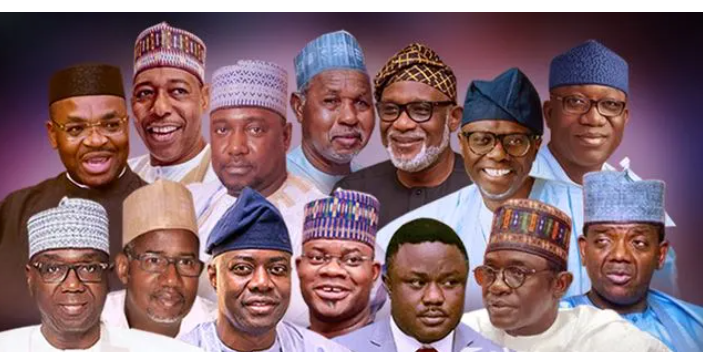
To All Nigerian Leader: “You stood on the shoulders of giants, will you not be a shoulder for the next generation?”

*The Unfair Advantage: How Nigerian Leaders’ Past Privileges Contrast with Today’s Youth Struggles**Leaders, It’s Time to Walk the Talk: Empowering Nigeria’s Future*It’s a stark reality that many Nigerian leaders, including presidents, governors, ministers, directors, and managers, achieved success at a relatively young age due to favorable circumstances. By their 30s and 35, many had already secured prominent positions and settled into their careers. However, the same opportunities and support are not available to today’s youth. Instead, they face significant challenges, making it difficult for them to thrive.The contrast between the past and present is striking. Leaders like Muhammadu Buhari, Goodluck Jonathan, and Olusegun Obasanjo, among others, rose to prominence in their younger years. Meanwhile, today’s youth are struggling to make ends meet, facing issues like unemployment, limited access to education, and economic instability.This disparity raises important questions about the fairness and equity of the system. Why should some individuals have access to opportunities and resources that others do not? What can be done to level the playing field and ensure that all Nigerian youth have a chance to succeed?It’s time for Nigerian leaders to recognize the potential and talents of the younger generation and work towards creating a more inclusive and supportive environment. This could involve initiatives like:- Investing in education and vocational training- Providing access to mentorship and networking opportunities- Encouraging entrepreneurship and innovation- Creating jobs and stimulating economic growthThe question remains: will Nigerian leaders learn from the past and create opportunities for today’s youth, or will they continue to perpetuate a system that holds them back? The future of Nigeria’s youth depends on the answers to these questions.*Let’s spark a conversation:*What do you think can be done to support Nigerian youth and create a more level playing field? Share your thoughts and ideas in the comments below!

Posted on Leave a comment

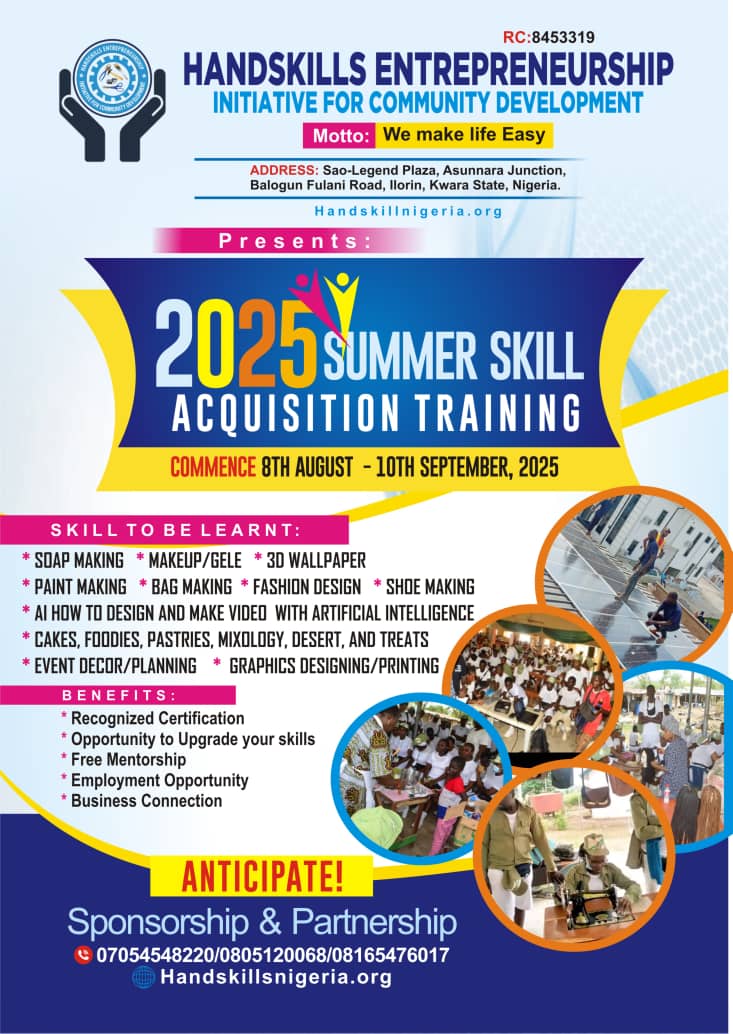
2025 Summer Skills Training: “Empowering youth through skills development!

“Empowering youth through skills development!

HandSkills Entrepreneurship Initiative for Community Development

is organizing a (free) SUMMER SKILL Acquisition Training

From August 8, 2025, to September 10, 2025.

We’re seeking sponsors/supporters to empower the next generation.

Your contribution can make a difference!

For more information, contact us at:
+2347054548220
+2348105120068
+2347032755806

You can also support us through our account:
Account Number: 2003321763
Bank: FCMB
Account Name: HANDSKILLS

Let’s work together to shape the future of our youth!”

Posted on Leave a comment

Kwara Govt Fixes July 26 for Common Entrance Exam into Junior Secondary Schools

Kwara Govt Fixes July 26 for Common Entrance Exam into Junior Secondary Schools

The Kwara State Government has fixed Saturday, July 26, 2025, for the conduct of the Common Entrance (Placement) Examination into Junior Secondary Schools across the state’s 16 Local Government Areas.

This was contained in a statement made available to Sobi FM Ilorin by the Press Secretary of the Ministry of Education and Human Capital Development, Mr. Peter Amogbonjaye.

According to the statement, the Honourable Commissioner for Education and Human Capital Development, Dr. Lawal Olohungbebe, said all necessary arrangements have been concluded to ensure the smooth conduct of the examination.

Dr. Olohungbebe disclosed that the examination will commence at exactly 8:00 a.m. across all designated centres in the state.

He urged pupils, parents, and school administrators to strictly comply with the examination guidelines, warning that any act of malpractice or non-compliance would not be condoned.

The Commissioner also appreciated Governor AbdulRahman AbdulRazaq for his continued investment in education, especially for fully sponsoring the 2025 Common Entrance Examination.

He further warned that any principal or headteacher found extorting or collecting illegal fees from candidates will face disciplinary action and be made to face the full wrath of the law.

Posted on Leave a comment

To Nigerian Leaders: “You stood on the shoulders of giants, will you not be a shoulder for the next generation?”

The Unfair Advantage: How Nigerian Leaders’ Past Privileges Contrast with Today’s Youth Struggles Leaders, It’s Time to Walk the Talk: Empowering Nigeria’s Future it’s a stark reality that many Nigerian leaders, including presidents, governors, ministers, directors, and managers, achieved success at a relatively young age due to favorable circumstances. By their 30s and 35, many had already secured prominent positions and settled into their careers.

However, the same opportunities and support are not available to today’s youth. Instead, they face significant challenges, making it difficult for them to thrive.The contrast between the past and present is striking. Leaders like Muhammadu Buhari, Goodluck Jonathan, and Olusegun Obasanjo, among others, rose to prominence in their younger years.

Meanwhile, today’s youth are struggling to make ends meet, facing issues like unemployment, limited access to education, and economic instability.This disparity raises important questions about the fairness and equity of the system. Why should some individuals have access to opportunities and resources that others do not? What can be done to level the playing field and ensure that all Nigerian youth have a chance to succeed?It’s time for Nigerian leaders to recognize the potential and talents of the younger generation and work towards creating a more inclusive and supportive environment.

This could involve initiatives like:- Investing in education and vocational training- Providing access to mentorship and networking opportunities- Encouraging entrepreneurship and innovation- Creating jobs and stimulating economic Growth the question remains: will Nigerian leaders learn from the past and create opportunities for today’s youth, or will they continue to perpetuate a system that holds them back? The future of Nigeria’s youth depends on the answers to these questions.Let’s spark a conversation:What do you think can be done to support Nigerian youth and create a more level playing field? Share your thoughts and ideas in the comments below!