Posted on 4 Comments

Nollywood Actress Ajirotutu Reveals Shocking Encounter with Cult Group

Nollywood Actress Reveals Dark Secret

Ajirotutu, a talented Nollywood actress, has bravely shared her shocking encounter with a cult group. In a recent interview, she exposed the group’s attempt to recruit her.

The Ultimatum

Two women, claiming to be part of a powerful cult, approached Ajirotutu with a chilling ultimatum: join their cult or stop making films. This encounter marked a turning point in her career, leaving her feeling threatened and shaken.

Ajirotutu’s Courageous Decision

Instead of giving in, Ajirotutu fled to the Ivory Coast, where she refocused on her passion for filmmaking. She credits her perseverance for helping her overcome the challenges she faced. By taking a stand, Ajirotutu proved that success is possible without compromising one’s values.

The Dark Side of Nollywood

Ajirotutu’s story highlights the unspoken difficulties many aspiring actors face in Nollywood. The industry is plagued by cult-like influences, unhealthy competition, and spiritual manipulation. However, her experience shows that young artists can thrive without succumbing to these pressures.

A Call to Action

By sharing her story, Ajirotutu aims to raise awareness about the issues in the entertainment industry. She emphasizes the need for mentorship and strong support networks to help young artists navigate the industry’s challenges. With more support, artists can focus on creating meaningful content without fear of intimidation.

Posted on Leave a comment

NIMC Empowers Corps Members in Kwara State for Nationwide NIN Ward Enrolment Drive

NIMC Empowers Corps Members in Kwara State for Nationwide NIN Ward Enrolment Drive

The National Identity Management Commission (NIMC) has partnered with the Ministry of Youth Development and the National Youth Service Corps (NYSC) to train corps members for a nationwide National Identification Number (NIN) ward enrolment drive. This initiative aims to take NIN enrolment closer to the people, especially in hard-to-reach areas.

Key Objectives:

Increase NIN Enrolment: NIMC has already enrolled and issued NINs to over 120 million Nigerians and legal residents, and this initiative seeks to cover previously unreachable areas.
Improve Accessibility: The ward enrolment drive will bring NIN enrolment services closer to communities nationwide, making it easier for Nigerians, especially children under 16, to obtain their NINs.
Support Renewed Hope Agenda: This initiative is part of President

Posted on Leave a comment

Misplaced Priorities: FG Rewards Super Falcons with N153m, Genius with N200k

The Federal Government’s recent gestures have sparked controversy, with a genius recognized as the World’s Best in English receiving N200,000, while each Super Falcons player earned $100,000 (approximately N153 million) for winning WAFCON. This stark contrast raises questions about our priorities.

What does this say about our values? Are intellectual achievements and literary excellence less valuable than athletic prowess? Shouldn’t exceptional academic accomplishments be recognized and rewarded equally, if not more so, than sporting achievements?

Comparing the Impact

Both the genius and the Super Falcons players have made significant contributions to their respective fields. However, their rewards tell different stories. The genius’s achievement may have a lasting impact on literature and academia, inspiring future generations. The Super Falcons’ victory, while thrilling, is a momentary triumph that may not have the same long-term effects.

The Bigger Picture

This disparity in rewards highlights a broader issue. We need to examine our priorities and consider the value we place on different achievements. By recognizing and rewarding intellectual pursuits, we can foster a culture that values knowledge, innovation, and creativity.

Ultimately, the question remains: what are our priorities, and how do we reflect them in our actions?

Posted on Leave a comment

BREAKING NEWS: Nigeria Government Bans Writing Assignments in Textbooks


In a bid to promote sustainability and reduce waste, the Anambra State Government has implemented a ban on writing assignments inside textbooks. This initiative aims to make textbooks reusable, particularly for younger siblings of pupils who will need them in the future.

Why the Ban?

The government views writing assignments in textbooks as a wasteful and unsustainable practice. By banning this practice, they hope to:

Reduce the financial burden on families who would otherwise need to purchase new textbooks every year
Promote a culture of sustainability and environmental responsibility
Ensure that textbooks are preserved for future generations of students

Impact on Students

Students in Anambra State will need to find alternative methods for completing assignments, such as using notebooks or digital tools. This change is expected to take some getting used to, but ultimately, it will benefit the environment and the students’ wallets.

A Step towards Sustainability

The Anambra State Government’s ban on writing assignments in textbooks is a step in the right direction towards promoting sustainability and reducing waste. By adopting this practice, the state is setting an example for others to follow.

Posted on 6 Comments

How Kwara State Government is Promoting Poverty in the State

Comrade Sulaiman A. O.

A Concerned Citizen


The Nigerian government has implemented policies that have led to the removal of subsidies on essential goods and services, such as fuel, electricity, and education. This has resulted in a significant increase in the cost of living for ordinary Nigerians, including those in Kwara State. The devaluation of the naira has also contributed to the economic hardship faced by many citizens.

The Impact on Citizens in Kwara State

The removal of subsidies and the devaluation of the naira have led to a situation where many Kwara State residents are struggling to make ends meet. The cost of living has increased significantly, and many citizens are finding it difficult to afford basic necessities like food, healthcare, and education.

The Kwara State Government’s Response

The federal government has been returning a significant portion of the revenue generated from the removal of subsidies to state governments, including Kwara State. However, the Kwara State government has failed to prioritize human capacity development and instead focus on infrastructure development projects. This has further exacerbated the poverty situation in the state.

The Need for a Different Approach

The Kwara State government needs to create an enabling environment for businesses to thrive, rather than competing with the private sector. By investing in unique businesses that solve problems for entrepreneurs, such as producing machines, tools, and raw materials, the government can support the growth of the private sector and create jobs for citizens.

Solutions to Poverty in Kwara State

The Kwara State government should:

1. Invest in Human Capacity Development: Invest in education, healthcare, and skills development programs to empower citizens with the skills and knowledge they need to participate in the economy.
2. Create an Enabling Business Environment: Create an enabling environment for businesses to thrive by providing support for entrepreneurs, reducing bureaucracy, and providing access to finance.
3. Support Entrepreneurship: Support entrepreneurship by providing training, mentorship, and access to finance for start-ups and small businesses.
4. Invest in Infrastructure: Invest in infrastructure development projects that support economic growth and development, such as roads, transportation systems, and energy infrastructure.
5. Invest in Security: Invest in security measures to protect lives and property, and create a safe environment for businesses to operate.

By taking these steps, the Kwara State government will help reduce poverty and create a more prosperous and equitable society for its citizens. The government should also work with private sector partners, civil society organizations, and international development agencies to support poverty reduction efforts in the state.

Conclusion

The poverty situation in Kwara State is a complex challenge that requires a multifaceted approach. The Kwara State government has a critical role to play in addressing this challenge by prioritizing human capacity development, creating an enabling business environment, supporting entrepreneurship, investing in infrastructure, and investing in security. By working together, the government and citizens will build a more prosperous and equitable society for all.

Posted on 2 Comments

Dr. Adam Abdullahi Likpata has made waves globally by winning the prestigious CIPHER Grant

Dr. Adam Abdullahi Likpata has made waves globally by winning the prestigious CIPHER Grant from the International AIDS Society (IAS) for his groundbreaking research on drug resistance in children and adolescents on dolutegravir-based treatment in sub-Saharan Africa. This two-year grant worth $150,000 will support his project aimed at mapping emerging resistance patterns and generating critical evidence for treatment optimization.

As an infectious disease and global health scientist with an impressive record of research and leadership, Dr. Likpata’s achievement underscores the urgent need for locally driven research in Africa to build the continent’s own evidence base and set priorities for epidemic control. His work has the potential to improve outcomes for young populations living with HIV.

Some of Dr. Likpata’s notable achievements include¹ ²:
– *Research Experience*: Former Harvard Takemi Fellow and Research Associate at the University of Cambridge, with research spanning vaccine science, epidemic preparedness, and health systems
– *Published Works*: First-author research papers published in reputable journals like Nature Communications, with over 2,000 citations
– *Awards and Grants*: Recipient of a small grant of £20,000 through the Bill and Melinda Gates Foundation for his research project
– *Mentorship*: Mentored by Nigeria’s Coordinating Minister of Health and Social Welfare, Professor Muhammad Pate, during his academic journey at Harvard

Dr. Likpata’s recognition on the world stage is a testament to the impact of Nigerian and African researchers in global health. His work serves as an inspiration to the community, particularly the youth in Lafiagi, Kwara State, and Nigeria, showcasing the potential for excellence and innovation in medical science.

Posted on Leave a comment

Joint Task Force North East Achieves Successes Against Terrorist Groups

Joint Task Force North East Achieves Successes Against Terrorist Groups

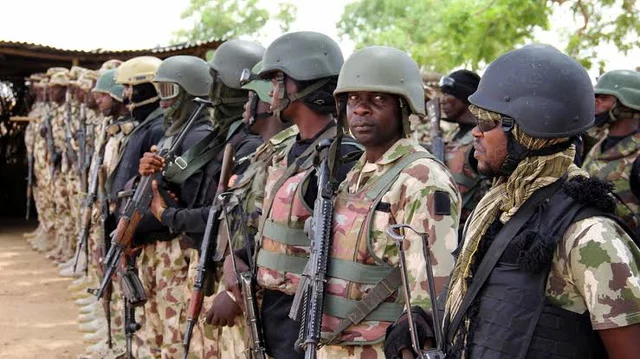
The Joint Task Force North East, Operation HADIN KAI (OPHK), has indeed achieved significant successes against Boko Haram, Jama’atu Ahlis Sunna Lidda’awati wal-Jihad (JAS), and Islamic State of West Africa Province (ISWAP) fighters in Borno and Yobe States. Here are some key highlights:
Recent Operations: On August 22, 2025, troops from the 21 Special Armoured Brigade repelled a large-scale night attack on their Forward Operating Base (FOB) in Kumshe, Borno State, killing over 20 terrorists and recovering several weapons.
Neutralization of Terrorists: On August 23, 2025, Sector 2 troops, in collaboration with the Civilian Joint Task Force (CJTF), conducted a long-range tactical operation around Ndoksa, near Buni Gari in Yobe State, neutralizing additional terrorists and recovering one AK-47 rifle and two motorcycles.
Recovery of Arms: The operations have resulted in the recovery of various arms, including AK-47 rifles, Rocket Propelled Grenade (RPG) tubes, and motorcycles.
Disruption of Terrorist Logistics: The coordinated offensives have denied the terrorists freedom of movement, degraded their firepower, and disrupted their logistics network within the region.
Military Commendation: The military high command has commended the troops for their exceptional performance and urged them to maintain the momentum of their offensive actions.

These successes demonstrate the effectiveness of the OPHK’s counter-terrorism operations in the region.

Posted on 2 Comments

FG, States, LGs Share N2.001 Trillion July Revenue

The Federation Account Allocation Committee (FAAC) has distributed N2.001 trillion among the Federal Government, states, and local government councils as July 2025 revenue. This allocation marks the second consecutive month of growth in allocations, with a 10% increase from the N1.818 trillion shared in June.

Here’s a breakdown of the allocation:
– Federal Government: N735.081 billion
– State Governments: N660.349 billion
– Local Government Councils: N485.039 billion
– Oil-producing States Derivation: N120.359 billion, representing 13% of mineral revenue

The distributable revenue comprised¹:
– Statutory Revenue: N1.282 trillion
– Value Added Tax (VAT): N640.610 billion
– Electronic Money Transfer Levy (EMTL): N37.601 billion
– Exchange Difference: N39.745 billion

From the VAT revenue, the Federal Government received N96.092 billion, State Governments received N320.305 billion, and Local Government Councils received N224.214 billion. The FAAC noted that Petroleum Profit Tax, Oil and Gas Royalty, EMTL, and Excise Duty increased significantly in July, while VAT and import duty recorded marginal increases.

Posted on Leave a comment

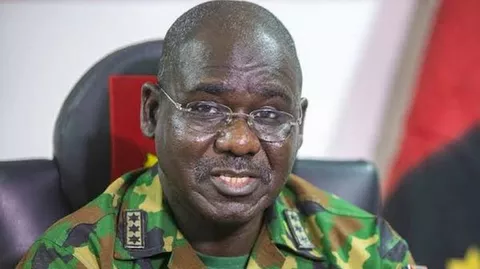
Former Chief of Army Staff Calls for Nationwide Mobilization to Combat Insecurity

Former Chief of Army Staff, Lt. Gen. Tukur Buratai, has called for a nationwide mobilization strategy to combat insecurity in Nigeria, similar to the approach taken during the COVID-19 lockdown. According to Buratai, insecurity should be treated as a national crisis requiring collective sacrifice and a long-term plan.

The call comes amid growing concerns over deteriorating security conditions in the country. In the first six weeks of 2025, Nigeria lost 805 lives to violence and insecurity across the country. Some of the incidents include¹:
– 70 terrorists killed in Borno
– 22 soldiers killed in a Jihadist suicide attack in Maiduguri, Borno State
– 21 persons killed in Katsina State during an attack on a joint team of Katsina State Community Watch Corps and vigilante members
– 40 farmers killed by Boko Haram insurgents in Dumba community, Baga, Kukawa LGA of Borno State

Buratai emphasized that defeating insurgents requires more than military operations, urging citizens to be mobilized psychologically through social media, the press, and community-driven initiatives. He stressed the need for a long-term plan and collective effort to tackle the security challenges facing the nation.

Key Challenges:

– Insecurity: Nigeria faces numerous security threats, including terrorism, banditry, kidnapping, and cybercrime, which pose a significant threat to national stability and development.
– Economic Impact: Insecurity has severe and far-reaching consequences for the economy of affected areas, directly impacting economic activities and development in the region.
– Displacement and Trauma: Many Nigerians have been forced out of their homes and communities due to violence and attacks, with over 2 million people displaced. Constant news of killings and attacks induces fear, anxiety, and post-traumatic stress disorder in citizens.² ³

Possible Solutions:

– Nationwide Mobilization: Buratai suggested that the government adopt a lockdown strategy to identify and neutralize terrorists, bandits, and kidnappers terrorizing communities nationwide.
– Community Involvement: He highlighted the importance of community involvement, citing the example of nationwide support during the Maiduguri flood disaster.
– Long-term Plan: Buratai emphasized the need for a long-term plan to tackle the security challenges facing the nation.
– Improved Security Surveillance: Improving security surveillance nationwide and ensuring swift prosecution of perpetrators can help prevent attacks.
– Promoting Dialogue: Promoting dialogue between farmers and herdsmen can help reduce conflicts and improve security in vulnerable communities.

Posted on Leave a comment

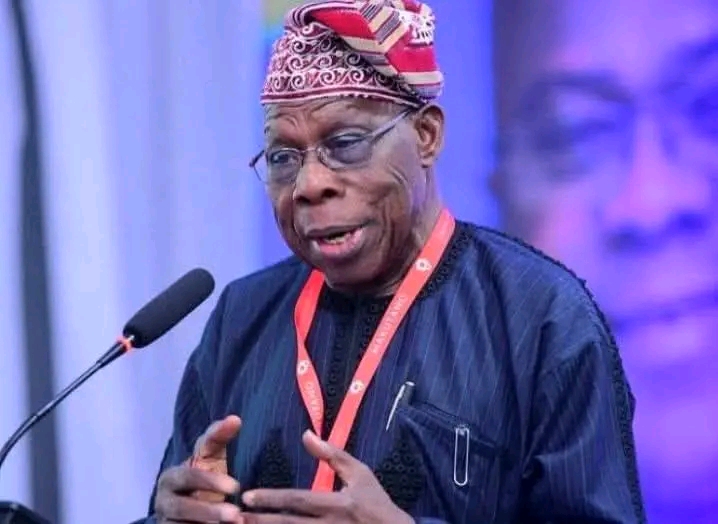
Nigeria’s democracy deeply compromised – Obasanjo


Former President Olusegun Obasanjo on Friday expressed concern that Nigeria’s judiciary has become “deeply compromised”.

Obasanjo noted that corruption among judges has turned Nigerian courts into “court of corruption rather than courts of justice”.

The ex-President made the assertion in his new book, ‘Nigeria: Past and Future’, published by the Olusegun Obasanjo Presidential Library.

The former Nigerian leader lamented what he described as the “steady decline of the judiciary’s integrity”.

“The reputation of the Nigerian judiciary has steadily gone down from the four eras up till today. The rapidity of the precipitous fall, particularly in the Fourth Republic, is lamentable,” he wrote.

The former military Head of State equally stated that justice had become commodified in Nigeria, with dangerous consequences for the nation’s stability.

“The great fear of most well-meaning Nigerians and good friends of Nigeria is that where ‘justice’ is only available to the highest bidder, despair, anarchy, and violence would substitute justice, order, and hope.

“I went to a state in the North about ten years after I left public office. Next to the government guest house was a line of six duplex buildings.

“The governor pointed to the buildings and stated that they belonged to a judge who put them up from the money he made from being the chairman of election tribunals,” Obasanjo said.

He accused the Chairman of the Independent National Electoral Commission, INEC, Mahmood Yakubu, of undermining the electoral process since 2015.

“No wonder politicians do not put much confidence in an election which the INEC of Professor Mahmood Yakubu polluted and grossly undermined to make a charade,” he added.