Posted on 1 Comment

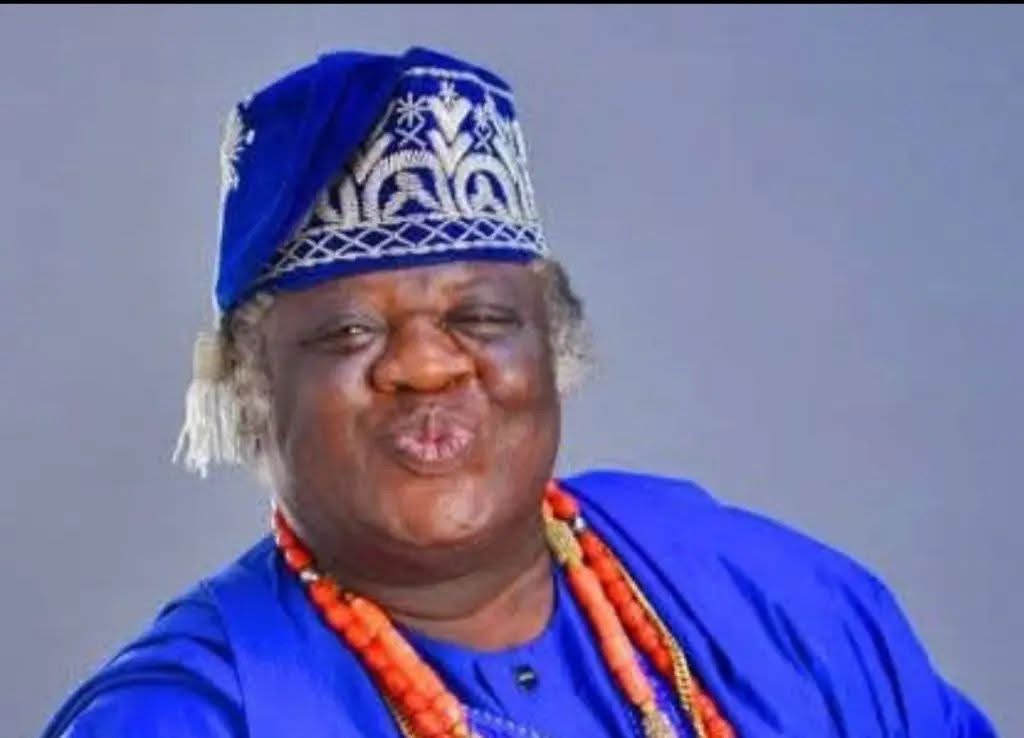
Veteran Nollywood Actor Chief Kanran Passes Away at 72

Veteran Nollywood Actor Chief Kanran Passes Away at 72

Chief Kanran, whose real name was Olusegun Akinremi, was a household name in the Yoruba film industry, renowned for his unique style, humor, and commanding performances in numerous stage plays and movies over several decades. He died on Friday morning, at the age of 72.

Early Life and Career

Chief Kanran began his acting career as a child, featuring in stage dramas during Easter and Christmas celebrations. He trained at the Centre for Cultural Studies (now Department of Creative Arts) at the University of Lagos and later obtained a diploma in directing, acting, and film production from Obafemi Awolowo University.

Notable Works

Some of his notable works include:
– Langbodo, Nigeria’s official drama entry for FESTAC ’77
– Ewe Orun
– Aiye
– Efunsetan Aniwura
– Agbarin
– Bata Wahala
– Mirror in the Sun, marking his transition from stage to television

Legacy

Chief Kanran was a versatile crossover actor who appeared in numerous Yoruba stage productions, television shows, and films. He was known for his commanding performances, sharp wit, and magnetic stage presence. His legacy extends beyond his on-screen work, as he mentored many younger actors and contributed significantly to the growth of the Yoruba film industry.

Posted on 1 Comment

I have bought my Burial Site, wrote my will

I have bought my Burial Site, wrote my will

Actress Kemi Afolabi has revealed the harrowing ordeal she faced while battling lupus, a chronic autoimmune disease in which the body’s immune system attacks its own organs and tissues.In an interview on Doyin Kukoyi TV, Afolabi recounted how, at the peak of her health crisis, she was unable to eat or drink, relied on oxygen to breathe, and even prepared for the worst by purchasing a burial site and writing her will.She credited her survival to God’s grace and the unwavering support of her family, friends, and colleagues.

Afolabi said her struggle began with severe joint pain “more intense than childbirth,” which led to multiple misdiagnoses at Lagos University Teaching Hospital (LUTH). It was only after seeking medical care abroad that she finally received the correct diagnosis.She said, “When I was down with Lupus, I thought the end had come. I couldn’t eat or drink. I was using oxygen to breathe. I already bought where I would be buried, and I wrote my Will, but God said it was not yet time to go. I survived with the power of God, the support of my family, friends and colleagues. Lupus has killed a lot of people. I had never heard of it till I experienced it. It is an autoimmune disease that will make your body’s system work against itself. The organs will not function properly

“When it first started with me, all the joints in my body gave me intense pain. Childbirth pain is a little compared to the pain of Lupus. They were diagnosing different diseases for me at LUTH until I travelled out and was told it’s Lupus. Lupus has no cure, I am still managing it with medications. I travel abroad every now and then because of it. I get an injection every day. I can’t be under the light for a long time like I used to when acting. People were saying so many things, but the one that got to me most was when someone said I have been used spiritually.”

Posted on 1 Comment

Peller Accuses Asisat Oshoala, Super Falcons of Ignoring Him After $100k Bonus

Popular Nigerian TikToker, Habeeb Okikiola, popularly known as Peller, has called out Super Falcons star Asisat Oshoala and her teammates for allegedly ignoring his messages following their recent financial reward from the presidency.

In a viral video, Peller claimed the players stopped responding to him after receiving $100,000 each for their victory at the Women’s Africa Cup of Nations (WAFCON).

“I text Asisat since last two weeks, she never reply me. Them don give them $100k, all the Nigerian girls footballers didn’t reply me,” he lamented.

The content creator suggested the players’ attitude had changed because of their newfound wealth, describing it as a sudden shift in personality.

“If the $100k finish, if they text me I’ll not reply them. $100,000 is making you feel like angel that is flying,” Peller added in a mix of amusement and frustration.

Posted on 1 Comment

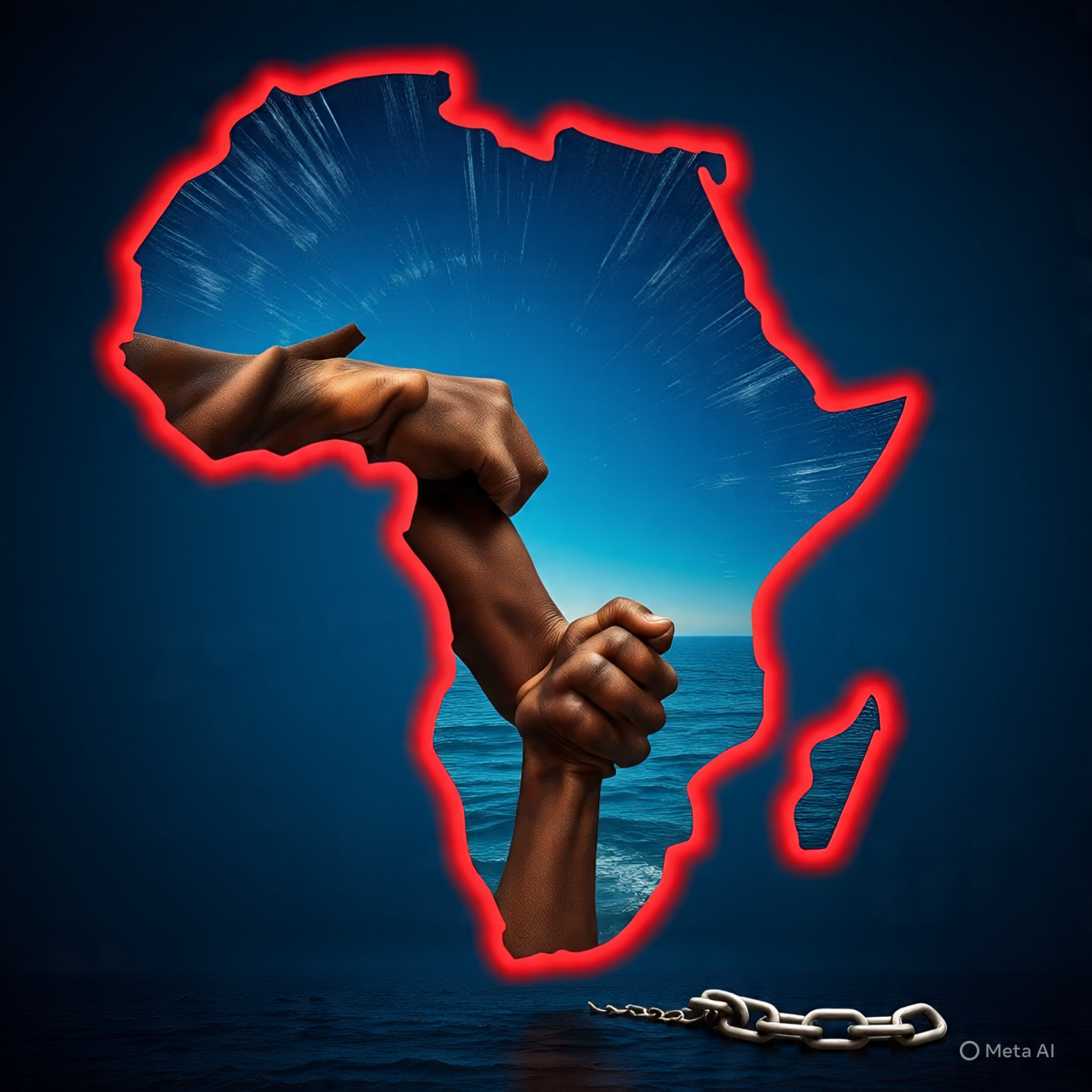
How Colonial Powers Exploited Nigeria and Other African Countries


Here is how colonial powers, including America, took advantage of Nigeria and other African countries.

Economic Exploitation
Colonial powers exploited Africa’s natural resources, imposing their own economic systems and policies that benefited them at the expense of local populations. This led to
– Resource extraction: Colonial powers extracted resources such as palm oil, groundnuts, cocoa, cotton, and palm kernel from Africa, often using forced labor.
– Economic dependency: African countries were forced to rely on their colonial masters for economic support, creating a cycle of dependency that persists today.

Cultural Imperialism
Colonial powers imposed their own culture, language, and beliefs on African countries, suppressing local traditions and identities:
– Loss of cultural heritage: The imposition of foreign cultures led to the erosion of traditional African cultures and identities.
– Language barrier: The use of European languages as official languages hindered communication and development in African countries.

Political Interference
Colonial powers interfered in the governance of African countries, often supporting leaders who served their interests:
– Puppet governments: Colonial powers installed puppet governments that served their interests, rather than those of the local population.
– Undermining sovereignty: The interference in governance undermined the sovereignty of African countries, making it challenging for them to assert their own development agendas.

Legacy of Colonialism
The legacy of colonialism continues to impact Africa today, with many countries still struggling to overcome the economic, cultural, and political challenges imposed by colonial powers.³

To overcome these challenges, African leaders can focus on:
– Prioritizing national interests: Developing domestic industries and economies that benefit the local population.
– Promoting transparency and accountability: Ensuring good governance and accountability to the people.
– Investing in human capital and infrastructure: Developing the skills and abilities of the population, and investing in infrastructure that supports economic growth and development.
– Fostering regional cooperation and integration: Collaborating with other African countries to strengthen economic ties and promote peace and stability.
– Resisting external interference: Asserting sovereignty and protecting national interests from external influence.

Posted on Leave a comment

The Complex Relationship Between America and African Countries

US-Africa Relations: A Complex Dynamic

The relationship between the US and African countries is complex and often contentious. The US aims to guide African nations, but its actions have significant consequences.

Understanding US Interference

The US has faced criticism for interfering in African governance. By supporting leaders who prioritize American interests, the US can inadvertently empower exploitative leaders. This can lead to poverty and instability in African nations. Moreover, US influence can create dependencies that hinder growth and self-sufficiency.

The Impact of US Influence

US actions can have far-reaching consequences for African economies. For instance, the devaluation of African currencies and undermining of local economies can stifle growth. Furthermore, external interference has consistently frustrated and undermined African economies, perpetuating poverty and inequality.

The Need for Self-Determination

African countries must assert their sovereignty and prioritize their own development agendas. By recognizing the complexities of US-Africa relations, African nations can work towards a more prosperous future. To achieve this, African leaders can take several steps.

Breaking the Cycle of Dependency

  • Prioritize national interests over external influences.
  • Develop homegrown economic policies that benefit African countries and people.
  • Promote transparency and accountability in governance.
  • Invest in human capital and infrastructure development.
  • Foster regional cooperation and integration.
  • Resist external interference and assert sovereignty.
  • Develop strategic partnerships that benefit African nations.
  • Encourage citizen participation in decision-making processes.

Empowering African Nations through Diaspora Engagement

Some African countries are strengthening their relationships with diaspora communities. Examples include Ghana, Nigeria, South Africa, Kenya, Gabon, Cape Verde, and Zimbabwe. By working together, African nations can unlock their true potential for growth, prosperity, and self-determination.

I made the following changes to improve the SEO score:

  1. Added subheadings to structure the content and make it easier to scan.
  2. Shortened sentence length to improve readability.
  3. Used transition words to connect ideas and improve flow.
  4. Simplified vocabulary to suit a larger audience.

These changes should help improve the SEO score and make the content more engaging and readable.

Posted on Leave a comment

Sowore’s Detention: A Timeline of Events and Reactions

Sowore’s Detention: A Timeline of Events and Reactions

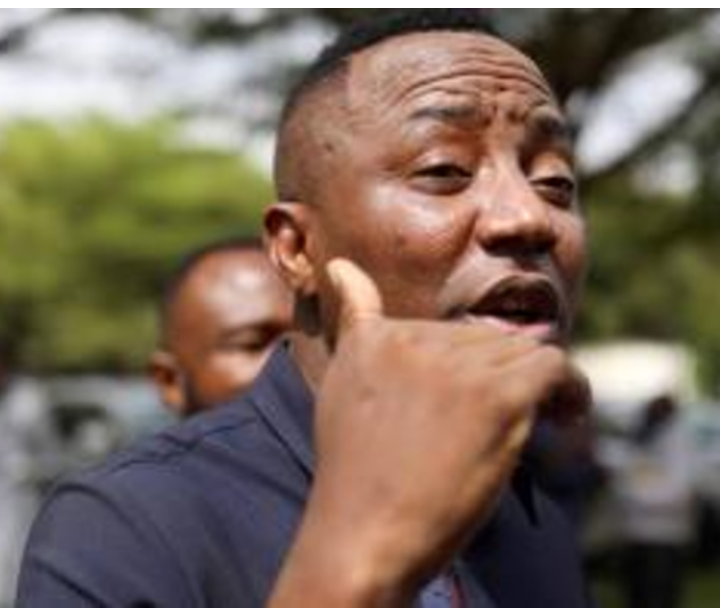
Omoyele Sowore, a human rights activist and publisher of Sahara Reporters, has been detained by the Nigerian police after honoring an invitation from the Inspector General of Police’s (IGP) Monitoring Unit over a petition. Here’s what’s happening:

  • Detention Background: Sowore was invited by the police over a viral video he recorded, highlighting alleged extortion by police officers on the Murtala Muhammed International Airport Access Road in Lagos. He arrived at the police headquarters with a travel bag, suggesting he was prepared for possible detention.
  • Bail Conditions: The police set bail conditions, including producing a level 16 civil servant as a surety and surrendering his passport. Sowore rejected these conditions, describing them as “illegal” and citing a Court of Appeal ruling that declared such conditions unlawful.
  • Alleged Assault: While in detention, Sowore claims police officers broke his arm during an attempt to transfer him to court without access to his lawyers. Amnesty International has condemned the alleged assault, demanding immediate medical attention for Sowore and accountability for the police officers involved.
  • Reactions: Former Vice President Atiku Abubakar has condemned Sowore’s detention, describing it as a “shameful abuse of power” and “personal vendetta” by the IGP. Atiku demanded Sowore’s immediate and unconditional release, stating that his only offense was speaking out against injustice and bad governance.
  • Protests: Sowore’s supporters have issued a two-hour ultimatum to the police to release him or face mass resistance. Rights groups have also condemned the action, urging the IGP to intervene and ensure accountability within Nigeria’s security forces.

The situation is ongoing, with concerns about police brutality and the rule of law in Nigeria.

Posted on Leave a comment

The Independent National Electoral Commission (INEC) has announced the Voter Registration Exercise in Nigeria!

Registration Details- Eligible Categories:

Those who’ve turned 18 but haven’t registered, those who lost or damaged their voter’s card, and those wanting to change their polling unit (within the same ward, from one LGA to another, or from one state to another)

Online Registration: Starts Monday, August 18, 2025, via (link unavailable)

Physical Registration: Begins Monday, August 25, 2025 at INEC Local Government Offices and designated centers.

Important Notes- Registration runs Monday to Friday, 9:00 AM – 3:00 PM.- INEC urges eligible Nigerians to register, emphasizing “Your votes start with registration. Don’t miss your opportunity to register”.- Beware of underage and multiple registrations, as they’re punishable and can lead to disqualification from the voters’ roll.

Posted on Leave a comment

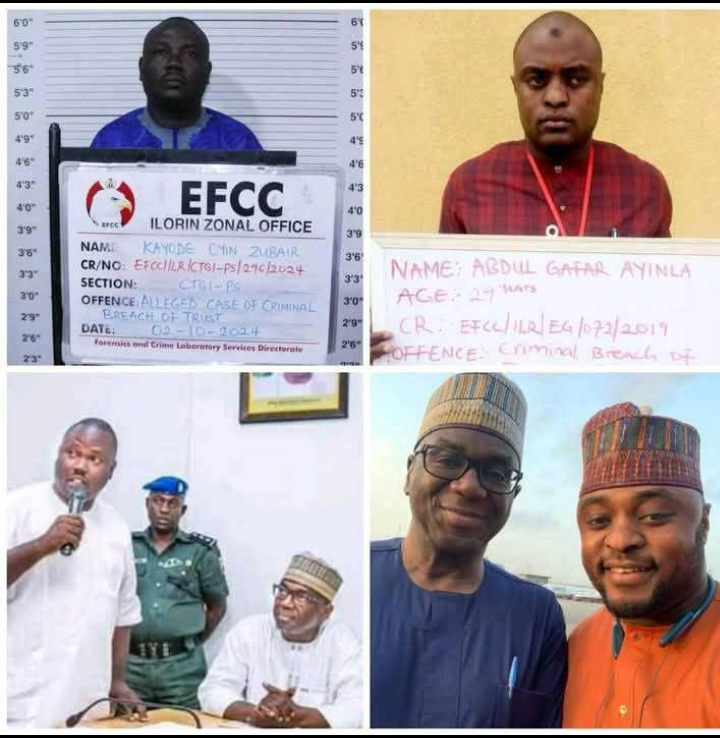
Governor Abdulrahman’s Former Aide, Oyin-Zubair, Convicted of Fraud, Asset Diversion in Kwara

Governor Abdulrahman’s Former Aide, Oyin-Zubair, Convicted of Fraud, Asset Diversion in Kwara

The Ilorin Zonal Directorate of the Economic and Financial Crimes Commission (EFCC) has secured the final forfeiture of two tractors and two tricycles from Kayode Oyin-Zubair, a former Special Assistant on Community Intervention to the Kwara State Governor.

According to report by Western Post Newspaper, Justice Haleema Saleeman of the Kwara State High Court, Ilorin, delivered the ruling on Thursday, July 24, 2025.

She dismissed Oyin-Zubair’s application to set aside the interim forfeiture order, affirming that the items were proceeds of unlawful activity.

The EFCC had recovered the items from a warehouse along Fate Road in Ilorin after investigations linked them to diverted public funds meant for a transport empowerment scheme.

Oyin-Zubair was alleged to have sought N192 million in funding from the Self Reliance Economic Advancement Programme (SEAP) to purchase 100 tricycles and 100 mini-buses for various transport unions in Kwara State.

However, findings showed that N72 million in repayments from beneficiaries was diverted and used to purchase the tractors and tricycles in Oyin-Zubair’s name.

Despite objections from his legal team, the EFCC, represented by Mustapha Kaigama, presented documents and testimony showing clear links between the misappropriated funds and the seized assets.

The judge granted final forfeiture of the properties to SEAP, bringing a conclusive end to the case.

The total value of the forfeited items was estimated at N57.4 million.

End.

Posted on 3 Comments

NNPC boss, Bayo Ojulari resigns

Bayo Ojulari, the Group Managing Director of the Nigerian National Petroleum Company (NNPC), has reportedly resigned from his position. According to sources, Ojulari was abducted by officials from the Economic and Financial Crimes Commission (EFCC) and the State Security Service (SSS) on Friday night and forced to sign a resignation letter.

Key Details:

  • Resignation Circumstances: The abduction and forced resignation are attributed to Ojulari’s alleged refusal to succumb to pressure from Olatimbo Ayinde, a British-Nigerian oil businesswoman with significant influence in the Tinubu administration.
  • Allegations Against Ojulari: He was accused of mismanaging company funds and involvement in fraudulent dealings, including a controversial trip to a Kigali oil and gas conference that reportedly cost millions of dollars.
  • Presidential Involvement: Sources suggest President Bola Tinubu was not aware of the operation, describing it as a “coup d’état”.¹ ²

Reactions:

  • The NNPC has not issued an official statement on the development.
  • Ojulari’s resignation has sparked conversations about leadership and accountability within the NNPC.³ ⁴
Posted on Leave a comment

Islamic Cleric Sentenced to Death for Murdering Kwara Student

A Kwara State High Court in Ilorin has sentenced Abdulrahman Bello, an Islamic cleric, to death by hanging for the murder of 24-year-old Hafsoh Yetunde Lawal, a final-year student of the Kwara State College of Education. The judge, Hannah Ajayi, delivered the verdict on Thursday, describing the crime as “the highest degree of human wickedness” and a “cold-blooded act”.

Abdulrahman Bello was found guilty of killing and dismembering Hafsoh’s body for money-making rituals. In addition to the death sentence for murder, he was also sentenced to 10 years imprisonment with an option of N100,000 fine for being in possession of human parts and blood.

However, four co-defendants – Ahmed Abdulwasiu, Suleiman Muhydeen, Jamiu Uthman, and Abdulrahman Jamiu – were discharged and acquitted due to lack of evidence linking them to the crime.

The judge noted that Bello’s confession showed a preconceived intention to kill the victim for money rituals, and his defense was deemed “concocted lies to deceive the court”. The Emir of Ilorin, Ibrahim Sulu-Gambari, hailed the judgment, describing it as a bright spot for the judiciary and security agencies.