Posted on Leave a comment

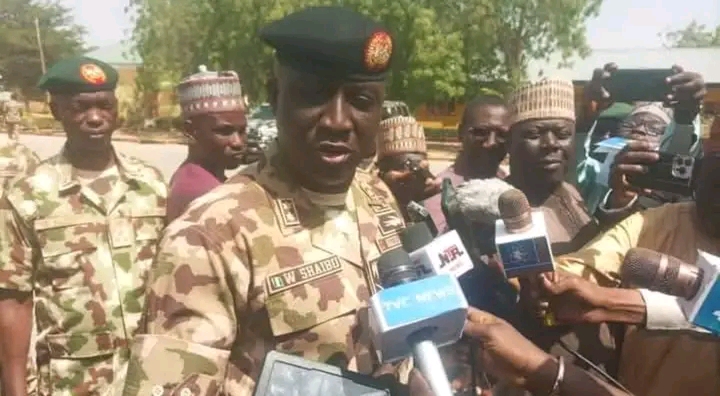
If Nigerian Youth Refuse to Join Army, We Will Mandate It for Everybody from Age 18 and Above – COAS

If Nigerian Youth Refuse to Join Army, We Will Mandate It for Everybody from Age 18 and Above – COAS

The Chief of Army Staff has warned that if Nigerian youths refuse to join the army voluntarily, the military will consider making it mandatory for all citizens aged 18 and above to serve. This statement underscores the gravity of the country’s security situation and the need for collective participation in ensuring national safety. The army’s stance comes amidst concerns over the disappearance of 10,000 recruits from last year’s intake, highlighting the challenges in recruitment and retention. By potentially mandating military service, the Nigerian Army aims to bolster its forces and effectively combat rising insecurity across the nation.

Posted on Leave a comment

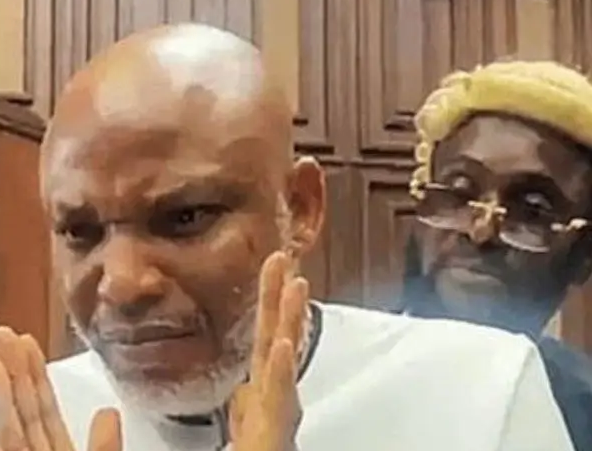
Breaking News: Nnamdi Kanu Sentenced to Life Imprisonment

Breaking News: Nnamdi Kanu Sentenced to Life Imprisonment

In a landmark ruling, the court has sentenced Nnamdi Kanu to life imprisonment for his crimes, which were deemed severe enough to warrant a death sentence. However, considering the global stance against capital punishment, the court opted for life imprisonment instead.

Key Highlights of the Ruling:

  • Protective Custody: Kanu is to be held in protective custody in a location to be determined by the authorities, ensuring his safety throughout his imprisonment.
  • Restrictions on Digital Device Usage: As part of the court’s ruling, Kanu is prohibited from being near any digital devices without close supervision, a measure aimed at preventing further unlawful activities.
  • Forfeiture of Assets: The court has ordered the forfeiture of Kanu’s transmitter to the federal government, a move seen as part of the efforts to dismantle the infrastructure used for his actions.
  • Court’s Remarks: Justice Omotoso, in delivering the sentence, expressed that while justice required a severe penalty, the decision to impose life imprisonment was made with consideration of global human rights standards. The judge noted Kanu’s lack of remorse and irresponsible behavior throughout the trial proceedings.

This ruling marks a significant moment in the legal proceedings against Nnamdi Kanu, bringing a conclusion to a highly watched case that has garnered widespread attention both locally and internationally.

Posted on Leave a comment

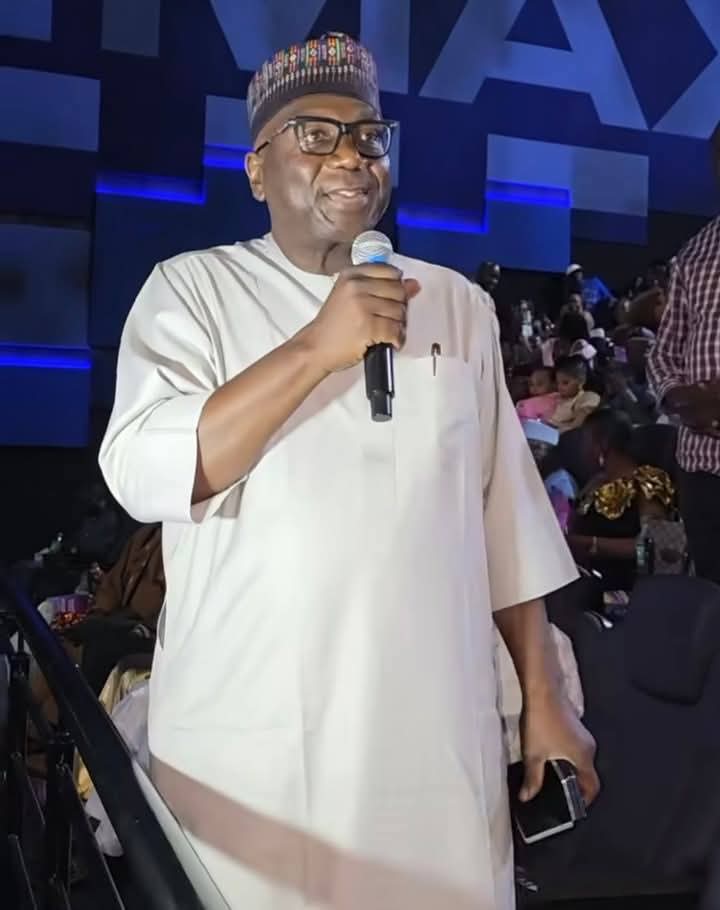
Nigeria’s Rising Debt Profile: A Heavy Burden on Ordinary Citizens

Nigeria’s Rising Debt Profile: A Heavy Burden on Ordinary Citizens

During an interview on Trust TV, public affairs analyst Dr. Ibrahim Saleh raised concerns about the country’s rising debt profile and its effect on ordinary citizens. He pointed out that if the country’s total debt is divided among its approximately 230 million people, each person would be indebted to about ₦660,000. This is a staggering figure, especially considering the economic struggles many Nigerians face daily.

The concern isn’t just about the debt itself, but how it’s being managed and utilized. Many are questioning the transparency and accountability of the government’s borrowing and spending habits. With a significant portion of national revenue going towards debt servicing, essential sectors like healthcare, education, and security are underfunded.

Experts argue that Nigeria’s debt situation is unsustainable and could lead to deeper poverty, weakened governance, and national instability if not addressed. The government needs to prioritize prudent financial management, invest in productive sectors, and implement structural reforms to ensure the country’s economic survival.

Posted on Leave a comment

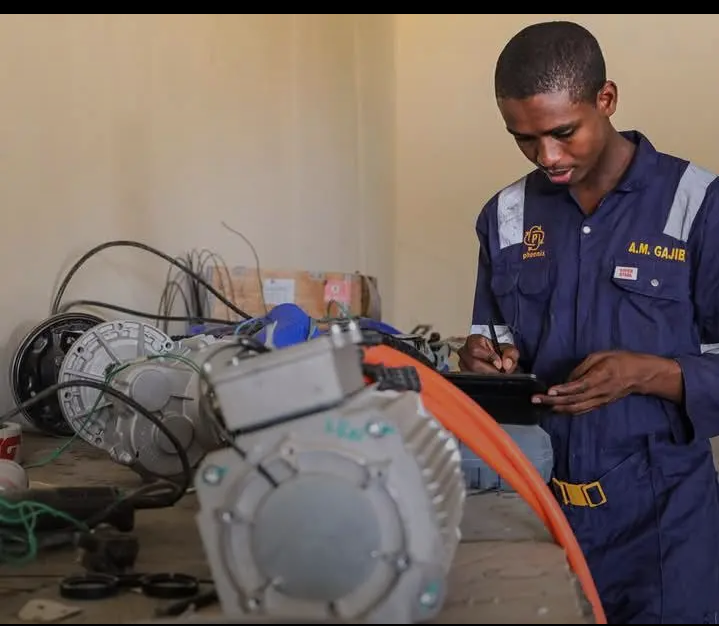
From Humble Beginnings to Electric Dreams: The Inspiring Story of Mustapha

From Humble Beginnings to Electric Dreams: The Inspiring Story of Mustapha

Meet Mustapha Abubakar Gajibo, a 31-year-old Nigerian entrepreneur who’s defying odds and revolutionizing transportation in Africa. A university dropout, Mustapha has emerged as a trailblazer, crafting solar-powered electric buses that are redefining the future of mobility.

His brainchild, a 12-seater bus, boasts impressive specs – a range of 212 kilometers on a single charge, top speeds of 110 km/h, and features like air conditioning and voice commands. The best part? It’s built with 65% locally sourced materials, showcasing Africa’s potential for innovation and self-sufficiency.

Mustapha’s buses are already plying the roads of Maiduguri, with plans for expansion across the region. He’s not stopping there – his company is also converting fuel-powered cars into electric vehicles, making sustainable transportation more accessible to all.

As the creator of Sub-Saharan Africa’s first homemade electric vehicle, Mustapha is a testament to the power of determination and ingenuity. His story is a beacon of hope, inspiring a generation of young Africans to dream big and turn their ideas into reality.

Kudos to Mustapha and his team for making Africa proud! African pride is indeed African products!

Posted on Leave a comment

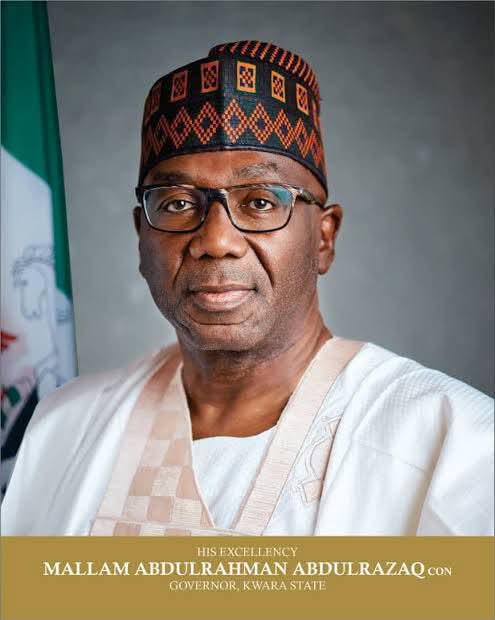
A Word of Advice to Governor Abdulrasaq

A Word of Advice to Governor Abdulrasaq

Governor, it’s not about who gets the credit, it’s about the people of Kwara State. Your leadership style is being watched, and it’s crucial to recognize the value of teamwork and transparency.

Engage with your appointees, listen to their counsel, and involve the people in decision-making. The projects you undertake should be for the greater good, not just personal gain.

Remember, governance is a collective responsibility, not a one-man show. Open up, be more inclusive, and prioritize the people’s needs. The legacy you build will be measured by the positive impact you create, not just your tenure.

To the people of Kwara, keep speaking up, stay informed, and hold your leaders accountable.

Posted on Leave a comment

Governor Abdulrahman Abdulrasaq Running Kwara Like a Sole Administrator

Governor Abdulrahman Abdulrasaq Running Kwara Like a Sole Administrator

Kwara State’s governance has raised eyebrows, with concerns about the concentration of power and lack of transparency. Since assuming office, Governor Abdulrasaq has been running the state seemingly on his own, with limited input from his appointees and stakeholders.

Executive meetings are scarce, and Special Advisers (SAs), Personal Assistors (PAs), and Commissioners often struggle to get direct access to the governor, except during political outings. This has led to concerns that the governor is prioritizing projects that serve his personal interests over those that benefit the people.

Critics argue that Governor Abdulrasaq’s leadership style is opaque, with decisions made without adequate consultation or consideration for their impact on the people. The lack of transparency has fueled speculation about the governor’s priorities and whether they align with the needs of Kwara State residents.

The situation has sparked debate about the effectiveness of the current governance structure in Kwara State, with some questioning whether the governor’s approach is conducive to sustainable development and progress.

Posted on Leave a comment

Muslim and Christian Leadership in Nigeria: Contextualizing Religious Representation and AllegationsNigeria’s political landscape reflects a tapestry of religious diversity

Muslim and Christian Leadership in Nigeria: Contextualizing Religious Representation and Allegations
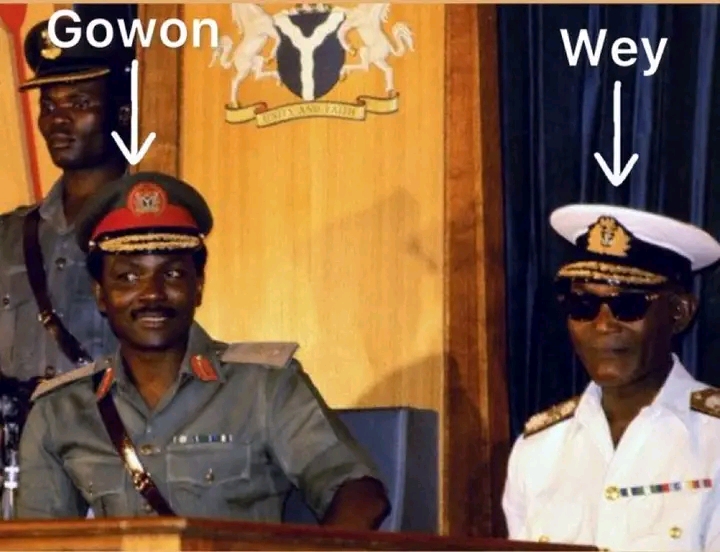
Nigeria’s political landscape reflects a tapestry of religious diversity, with varied pairings in top leadership roles showcasing the nation’s complex socio-political and religious dynamics. Before Nigeria had a Muslim President and Vice President, the country saw a Christian Head of State, General Yakubu Gowon, serving alongside a Christian Deputy, Edet Wey, for nine years (1966-1975). This precedent underscores that combinations of religious affiliations in leadership aren’t unprecedented in Nigeria, highlighting the nation’s pluralistic character.

Understanding Nigeria’s Security Forces Structure

  • Professional Oversight: The Chief of Defence Staff (CDS) holds professional control of Nigeria’s armed forces. Reports indicate this position has been held by Christians, influencing strategic military direction.
  • Operational Management: The Chief of Army Staff (COAS) and Inspector General of Police (IGP) manage operational aspects of the army and police respectively; these roles have associations with Christians in recent contexts.

Peter Obi’s Engagements and Allegations Context
Former Labour Party presidential candidate Peter Obi reportedly attended meetings in Washington, D.C. between September 24-25, 2025. Allegations emerged the next day (September 26, 2025) via Senator Ted Cruz, suggesting Nigerian officials might be implicated in facilitating genocide against Christians. Grasping Nigeria’s security architecture and religious diversity in leadership is crucial for contextual understanding.

Key Considerations for Nigeria’s Religious and Political Landscape

  • Interfaith Leadership Dynamics: Nigeria has witnessed leadership combinations involving Christians and Muslims, reflecting its religious plurality.
  • Security Roles Distribution: Key security positions highlighted involve Christians, as noted.
  • Allegations Scrutiny: Claims necessitate careful examination against Nigeria’s multifaceted socio-political realities.

Nigeria’s Pluralistic Society
Nigeria is home to significant Christian and Muslim populations with diverse ethnic groups, shaping its political and social interactions. Leadership reflects attempts to balance these dynamics.

SEO Considerations

  • Title: Muslim and Christian Leadership in Nigeria: Contextualizing Religious Representation and Allegations
  • Meta Description Suggestion: Explore Nigeria’s Muslim and Christian leadership history. Understand security roles context and allegations about genocide claims.
  • Keywords: Nigeria, leadership, Christian, Muslim, Peter Obi, religion, politics

Posted on Leave a comment

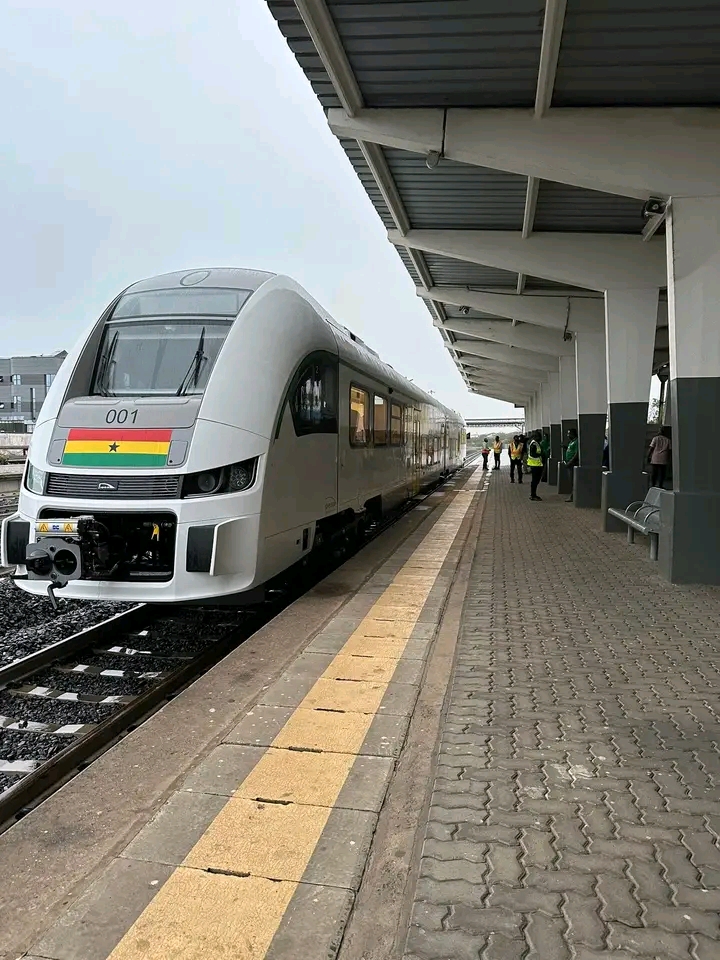
BREAKING NEWS Ghana’s new Train which was imported from Poland is back and actively working

BREAKING NEWS

Ghana’s new Train which was imported from Poland is back and actively working (Operational).

It was official opened to the general public yesterday, 1 October 2025 as announced by the Ghana  Railway Authority.

Fix Ghana Now and Africa for Afrikans heard the great news and we couldn’t just sit home and assume it was true so we sent our reps in Ghana to visit the Tema – Mpakadan Railway station to confirm.

Fortunately they came back with a positive result that the train is officially launched and fully operational.

Key Points we gathered:
– Ghana Railway Authority has gone cashless with the new train.  Meaning every citizen who has the love for train transport will be registered instantly with a train card just like Ghana card, so after registration u will have to top up the card with any amount u can so that anytime u want to go by train transport u will ur automated card to pay without physical payment system to limit corruption.

– Full Air Condition

– comfortability is 1st class

– No fault, no danger, 100 percent safety assured

Pls click link below for exclusive interview with the officials and get more information.

https://youtu.be/_EyusDHPasY?si=E1VpYIzoFqWRggHN

Posted on Leave a comment

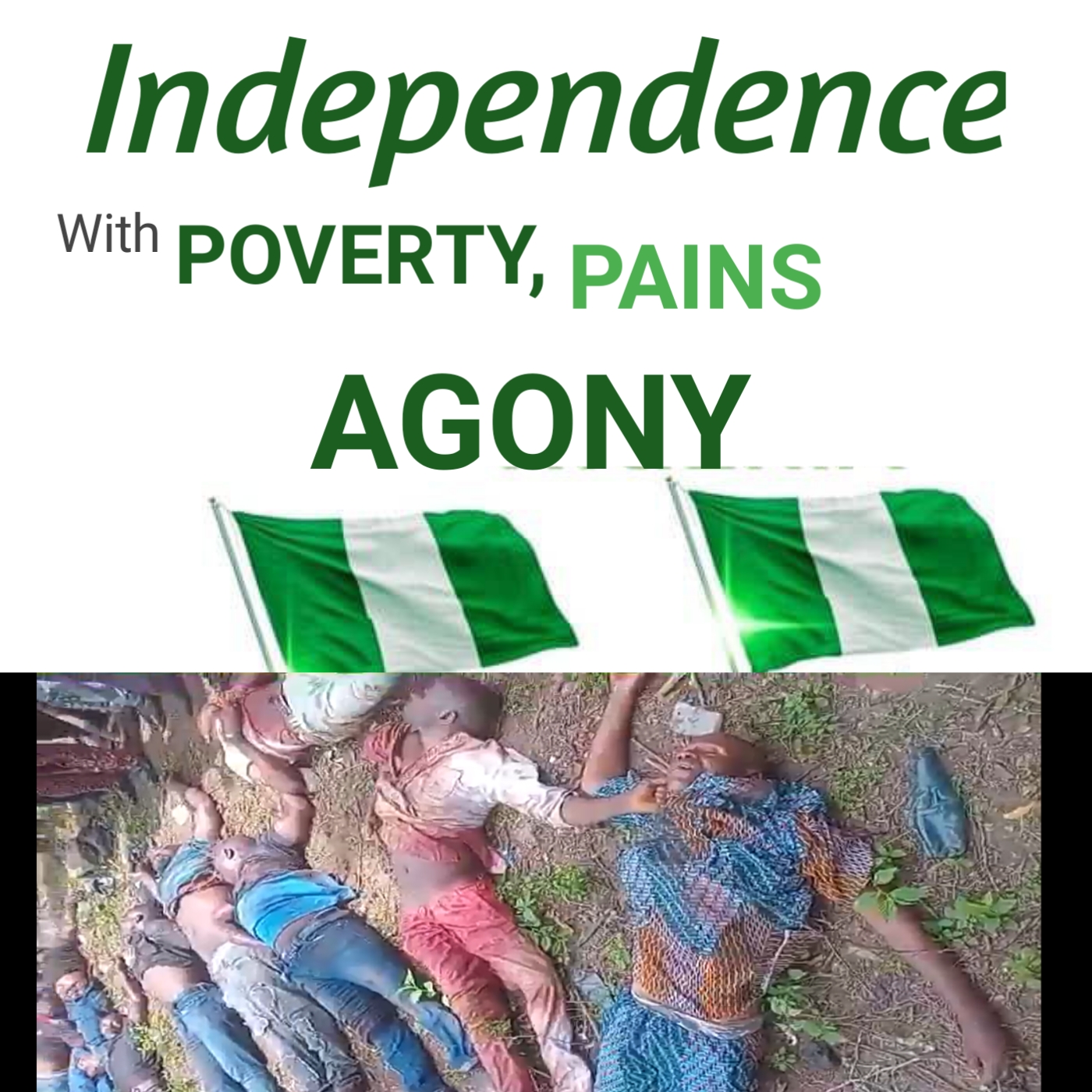
Nigeria’s Independence Paradox: A Plea to the President and Kwara State Governor to Address Poverty-Fueled Insecurity

Nigeria’s Independence Paradox: A Plea to the President and Kwara State Governor to Address Poverty-Fueled Insecurity

Nigeria’s Independence and the Paradox of Prosperity Amidst Hardship: A Call to Action for the President and Kwara State Governor

Today, October 1st, Nigeria celebrates its independence, marking another year of sovereignty and aspirations for a better nation. As Nigerians reflect on the journey since gaining independence, the contrast between the country’s vast resources and the struggles of its citizens is stark.

The Speech of the President: Aspirations vs. Reality
The President’s speech on this day of celebration likely underscores visions for Nigeria’s growth, development, and prosperity. However, for many Nigerians, there’s a palpable disconnect between governmental narratives of progress and the harsh realities on the ground. Despite Nigeria being a country with significant oil wealth and other natural resources, generating substantial revenue monthly, a large portion of the population grapples with economic hardship.

Poverty and Insecurity: A Vicious Cycle
There’s a growing belief among observers that the increasing levels of poverty in Nigeria are intricately linked to the rising insecurity across the country. Factors fueling this narrative include:

  • Economic Struggles: High poverty rates contribute to desperation and vulnerability, sometimes driving individuals toward criminal activities out of economic necessity.
  • Lack of Opportunities: Limited access to education, jobs, and basic amenities can exacerbate feelings of marginalization.
  • Resource Management: Questions abound regarding the management and equitable distribution of Nigeria’s wealth.

The Human Cost of Insecurity in Kwara State
Kwara State, like many parts of Nigeria, is grappling with severe insecurity issues, including banditry, kidnappings, and attacks on communities. Recent incidents highlight the gravity of the situation¹ ² ³:

  • Attacks and Displacement: Communities in Kwara South, like Babanla and Oke-Ode in Ifelodun Local Government Area, have witnessed violent attacks leading to deaths, kidnappings, and mass displacement.
  • Former Senate President’s Concerns: Dr. Bukola Saraki has criticized the Kwara State government for complacency regarding security, citing 70 deaths, 42 kidnappings, and 25 communities sacked in the past 12 months.
  • Military Intervention: The Nigerian Army has relocated a General Officer Commanding to Kwara to boost response to insecurity.
  • Community Leaders’ Appeals: Leaders like Anu Ibiwoye allege some bandits are foreign fighters, emphasizing the need for urgent government action.

Situation in Kwara State: Dire and Demanding Attention

  • Porous Borders: Kwara’s borders with Niger and Kogi states are seen as transit routes for armed groups.
  • Impact on Farming: Insecurity has disrupted farming, contributing to food insecurity and economic hardship.
  • Calls for Action: Amb. Samuel Bill urges collective action, establishment of military bases, and use of technology for surveillance to restore peace.

Open Letter to President Bol Ahmed Tinubu and Governor Abdulrahman AbdulRazaq
To His Excellency, President Bola Ahmed Tinubu of the Federal Republic of Nigeria, and Governor Abdulrahman AbdulRazaq of Kwara State,

As Nigeria marks another year of independence, we underscore the urgent need for addressing intertwined challenges of poverty and insecurity, particularly in states like Kwara grappling with banditry and kidnappings.

We respectfully call on you to consider:

  • Enhanced Security Measures: Deploy adequate security personnel and technology to hotspots in Kwara.
  • Economic Diversification and Investment: Boost sectors like agriculture to create opportunities and reduce vulnerability.
  • Transparency and Accountability: Ensure resource management aligns with citizens’ welfare.
  • Community Engagement: Foster collaboration with local leaders and vigilantes for effective security strategies.
  • Support for Victims: Establish mechanisms for assisting displaced persons and victims’ families.

Mr. President Bola Ahmed Tinubu and Governor Abdulrahman AbdulRazaq, collective efforts are pivotal in steering Nigeria toward a future where independence translates into security, prosperity, and dignity for all citizens.

Pathways Forward
Addressing Nigeria’s challenges requires multifaceted approaches:

  • Economic Diversification: Reducing dependence on oil.
  • Investment in Human Capital: Focus on education.
  • Good Governance: Transparency in resource management.
  • Security Strategies: Holistic military, intelligence, and socio-economic interventions.
Posted on Leave a comment

Bandit Demand 200 Million Ransom to release Kwara businessman abducted in Edu Local Government of Kwara State

– Bandit Demand 200 Million Ransom to release Kwara businessman abducted in Edu Local Government of Kwara State


Kwara State businessman, Mr. Suleiman Ndana, was abducted by armed bandits in a midnight raid on Tsaragi community, Edu Local Government Area, on September 27, 2025. He’s the CEO of Sunnzy Petroleum Nig. Ltd and had recently completed a fuel station in Yana Kokonna area, Tsaragi.

Abduction occurred around 12:00 midnight in Tsaragi, Kwara State. Bandits are demanding 200 million ransom from the family for Mr. Ndana’s release. This has heightened insecurity fears in Edu LGA and broader Kwara State, with concerns over economic disruption in rural areas.

Recent attacks in nearby Lema community left one dead and another injured, contributing to growing rural insecurity concerns in Kwara.

Community concerns include calls for enhanced security measures and frustration over slow government response.

Safety considerations include avoiding routine movements and securing personal/financial info crucial amid rising banditry.

Authorities have no official comments yet on Mr. Ndana’s abduction or rescue efforts.

The situation underscores Nigeria’s challenging insecurity landscape, with families and communities anxiously seeking safe release of abducted loved ones.