Posted on Leave a comment

Joint Task Force North East Achieves Successes Against Terrorist Groups

Joint Task Force North East Achieves Successes Against Terrorist Groups

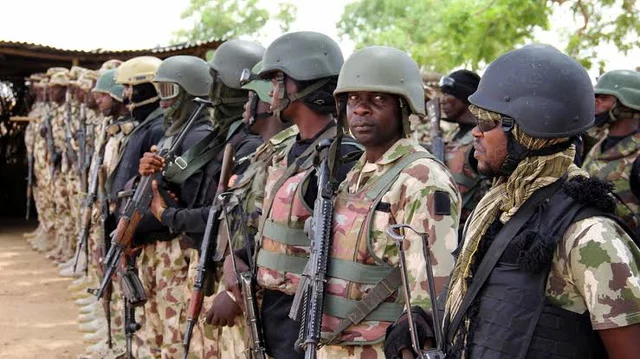
The Joint Task Force North East, Operation HADIN KAI (OPHK), has indeed achieved significant successes against Boko Haram, Jama’atu Ahlis Sunna Lidda’awati wal-Jihad (JAS), and Islamic State of West Africa Province (ISWAP) fighters in Borno and Yobe States. Here are some key highlights:
Recent Operations: On August 22, 2025, troops from the 21 Special Armoured Brigade repelled a large-scale night attack on their Forward Operating Base (FOB) in Kumshe, Borno State, killing over 20 terrorists and recovering several weapons.
Neutralization of Terrorists: On August 23, 2025, Sector 2 troops, in collaboration with the Civilian Joint Task Force (CJTF), conducted a long-range tactical operation around Ndoksa, near Buni Gari in Yobe State, neutralizing additional terrorists and recovering one AK-47 rifle and two motorcycles.
Recovery of Arms: The operations have resulted in the recovery of various arms, including AK-47 rifles, Rocket Propelled Grenade (RPG) tubes, and motorcycles.
Disruption of Terrorist Logistics: The coordinated offensives have denied the terrorists freedom of movement, degraded their firepower, and disrupted their logistics network within the region.
Military Commendation: The military high command has commended the troops for their exceptional performance and urged them to maintain the momentum of their offensive actions.

These successes demonstrate the effectiveness of the OPHK’s counter-terrorism operations in the region.

Posted on Leave a comment

NDLEA Seizes Over 1.2 Tons of Cannabis on Ajase-Ipo/Ilorin Highway

NDLEA Seizes Over 1.2 Tons of Cannabis on Ajase-Ipo/Ilorin Highway

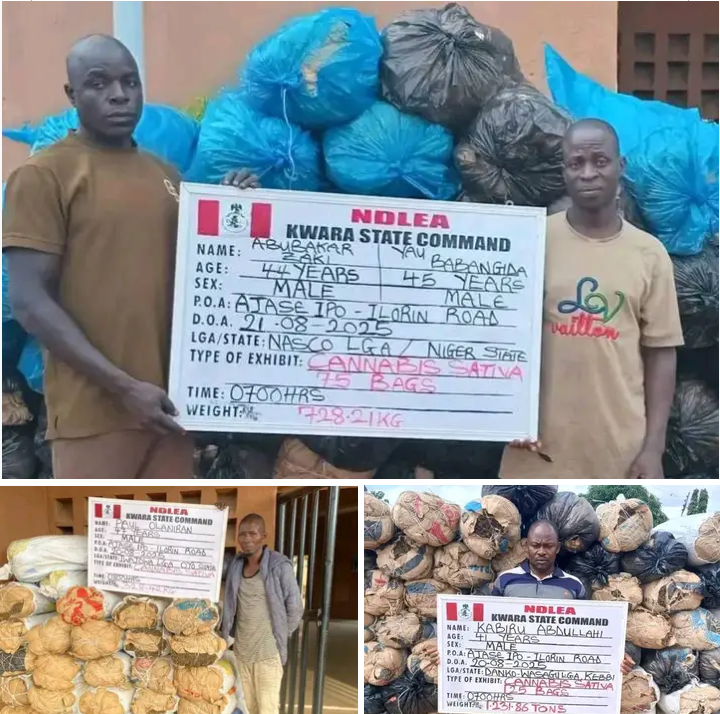
The National Drug Law Enforcement Agency (NDLEA), Kwara State Command, has recorded a major breakthrough with the arrest and seizure of 1.231 tons, 328.42kg, and 728.21kg of cannabis sativa along the Ajase-Ipo/Ilorin Highway.

The operation is part of the ongoing collaboration between the NDLEA and the Kwara State Government to curb crime and criminality in the state. According to the agency, most bandits and kidnappers rely heavily on drugs to carry out their operations, hence the intensified clampdown on illicit substances

Credit: SA Drug Abuse , Protection a d Control to Kwara Gov , Hon Mikael Olamilekan

Posted on Leave a comment

Former Chief of Army Staff Calls for Nationwide Mobilization to Combat Insecurity

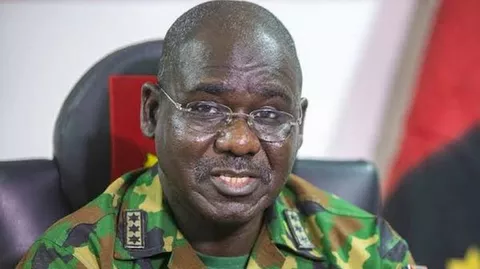
Former Chief of Army Staff, Lt. Gen. Tukur Buratai, has called for a nationwide mobilization strategy to combat insecurity in Nigeria, similar to the approach taken during the COVID-19 lockdown. According to Buratai, insecurity should be treated as a national crisis requiring collective sacrifice and a long-term plan.

The call comes amid growing concerns over deteriorating security conditions in the country. In the first six weeks of 2025, Nigeria lost 805 lives to violence and insecurity across the country. Some of the incidents include¹:
– 70 terrorists killed in Borno
– 22 soldiers killed in a Jihadist suicide attack in Maiduguri, Borno State
– 21 persons killed in Katsina State during an attack on a joint team of Katsina State Community Watch Corps and vigilante members
– 40 farmers killed by Boko Haram insurgents in Dumba community, Baga, Kukawa LGA of Borno State

Buratai emphasized that defeating insurgents requires more than military operations, urging citizens to be mobilized psychologically through social media, the press, and community-driven initiatives. He stressed the need for a long-term plan and collective effort to tackle the security challenges facing the nation.

Key Challenges:

– Insecurity: Nigeria faces numerous security threats, including terrorism, banditry, kidnapping, and cybercrime, which pose a significant threat to national stability and development.
– Economic Impact: Insecurity has severe and far-reaching consequences for the economy of affected areas, directly impacting economic activities and development in the region.
– Displacement and Trauma: Many Nigerians have been forced out of their homes and communities due to violence and attacks, with over 2 million people displaced. Constant news of killings and attacks induces fear, anxiety, and post-traumatic stress disorder in citizens.² ³

Possible Solutions:

– Nationwide Mobilization: Buratai suggested that the government adopt a lockdown strategy to identify and neutralize terrorists, bandits, and kidnappers terrorizing communities nationwide.
– Community Involvement: He highlighted the importance of community involvement, citing the example of nationwide support during the Maiduguri flood disaster.
– Long-term Plan: Buratai emphasized the need for a long-term plan to tackle the security challenges facing the nation.
– Improved Security Surveillance: Improving security surveillance nationwide and ensuring swift prosecution of perpetrators can help prevent attacks.
– Promoting Dialogue: Promoting dialogue between farmers and herdsmen can help reduce conflicts and improve security in vulnerable communities.

Posted on Leave a comment

Nigeria Deports 51 More Foreigners for Cyberterrorism and Internet Fraud

Nigeria Deports 51 More Foreigners for Cyberterrorism and Internet Fraud


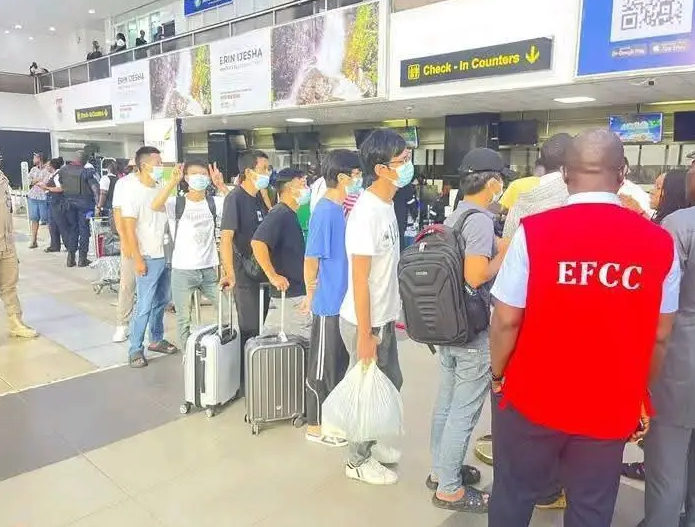
The Economic and Financial Crimes Commission (EFCC) and the Nigerian Immigration Service (NIS) have repatriated 51 foreign nationals convicted of cyber-terrorism and internet fraud. The deportees include 50 Chinese nationals and one Tunisian, bringing the total number of deported convicts to 102 since the exercise began on August 15, 2025.

These individuals were part of a larger group of 192 foreign nationals arrested in Lagos during a sting operation targeting a major foreign-led cybercrime syndicate. The EFCC has stated that further deportations are scheduled in the coming days as part of an intensified crackdown on transnational cybercrime.

The deported individuals had completed their prison sentences handed down by the Federal High Court in Lagos before being handed over to immigration authorities for repatriation. The EFCC emphasized that this operation demonstrates Nigeria’s commitment to tackling global cybercrime syndicates and protecting its digital space.

Key Details:
– Number of Deportees: 102 foreign nationals deported since August 15, 2025
– Nationalities: 50 Chinese and one Tunisian in the latest batch
– Crimes: Cyber-terrorism and internet fraud, including romance scams and fraudulent cryptocurrency schemes
– Arrests: 192 foreign nationals arrested in Lagos during a sting operation
– Future Plans: Further deportations scheduled as court processes for remaining suspects are concluded.

Posted on 2 Comments

Nigerian Government Bans Nursery Primar JSS3 Graduation Parties Party

The Imo State Government has indeed banned graduation parties for kindergarten, nursery, and Junior Secondary School (JSS3) students, effective immediately. This decision aims to reduce financial burdens on parents and redirect attention to academic development. Only Primary 6 and Senior Secondary School 3 (SS3) students are permitted to hold graduation ceremonies, aligning with Nigeria’s 6-3-3-4 education system.Key Highlights of the Ban:- Reduced Financial Burden: The government seeks to alleviate excessive spending on graduation parties, which can be financially draining for parents.- Focus on Academics: By limiting graduation ceremonies to key academic milestones, the government aims to emphasize the importance of academic achievement over extravagant celebrations.- Promoting Discipline: The ban is also intended to instill discipline and responsible values in students, encouraging them to focus on their studies rather than indulging in lavish parties.Additional Measures:- Textbook Policy: The government has also directed schools to stop changing textbooks annually, mandating the use of approved textbooks for at least four years. This aims to reduce costs for parents and promote consistency in teaching.- Monitoring Compliance: The Ministry of Primary and Secondary Education will monitor schools to ensure compliance with the new policies.The National Orientation Agency (NOA) has praised the Imo State Government for this decision, describing it as a bold step toward instilling discipline and responsible value reorientation among young learners.

Posted on Leave a comment

‘Learn Combat Skills For Self Defence’, CDS Musa Tells Nigerians

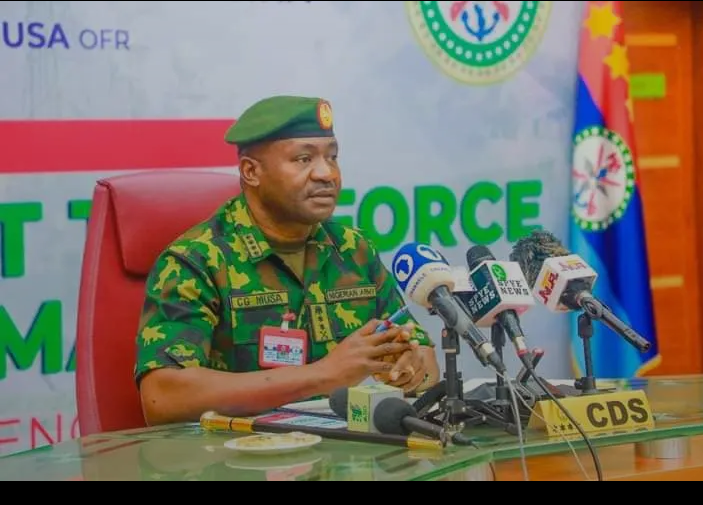
General Christopher Musa, Chief of Defence Staff, has urged Nigerians to acquire combat skills for self-defense, emphasizing that it’s essential for survival in today’s world. He suggests that learning combat skills is similar to acquiring essential life skills like driving or swimming. According to him, security awareness and self-defense are critical for all Nigerians, and the National Youth Service Corps (NYSC) should incorporate unarmed combat training for graduates.

Key Points:

  • Combat Skills for Self-Defense: General Musa believes that combat skills are vital for Nigerians to protect themselves in uncertain times.
  • NYSC Training: He recommends that NYSC should equip Nigerian graduates with unarmed combat training to help them navigate daily threats.
  • Shared Responsibility: Musa emphasizes that security is a shared responsibility among all Nigerians, and citizens should remain vigilant and report suspicious activities.

This call to action comes as Nigeria faces various security challenges, and General Musa highlights the importance of synergy between the military, citizens, and other stakeholders to address these issues. By acquiring combat skills, Nigerians can better protect themselves and contribute to a safer community.

Posted on Leave a comment

Gov Abdulrazaq hails President Tinubu over arrest of top terrorists, synergy with state govts

Gov Abdulrazaq hails President Tinubu over arrest of top terrorists, synergy with state govts

•assures residents of efforts to eliminate security threats
•KWASSIP to take inventory, support affected persons: Gov

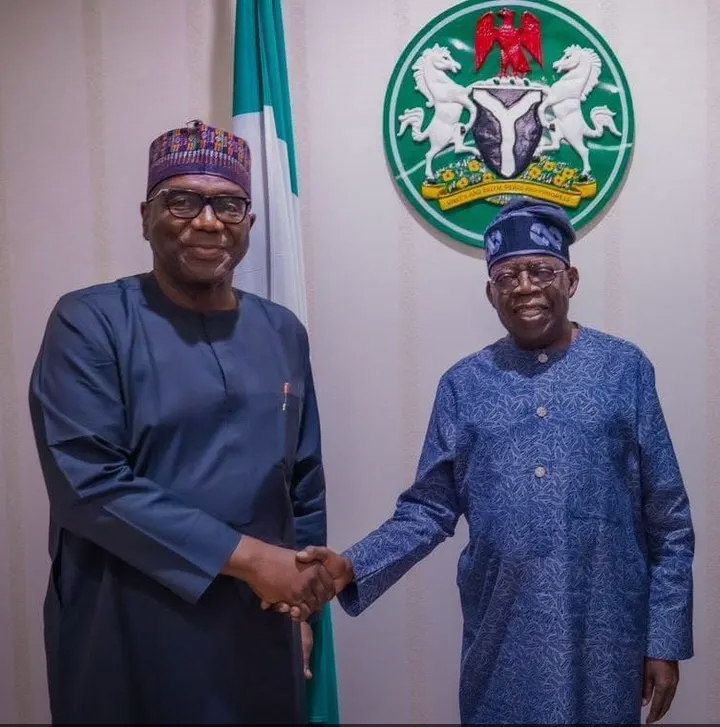
Kwara State Governor AbdulRahman AbdulRazaq has commended President Bola Tinubu and security agencies for the recent arrest of top leaders of terrorist groups in the country, calling it a strong indication of the efforts to rid Nigeria of terrorism.

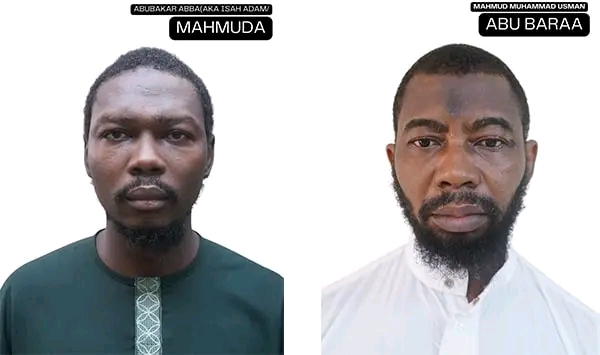
In a statement on Wednesday, the Governor said the arrests of Mahmud Muhammad Usman, the leader of Ansaru, and his deputy Mahmud al-Nigeri, also known as Malam Mahmuda, attested to the extensive intelligence-driven counterterrorism operations of the administration.

“These arrests are a big win for the country. We commend the President, the National Security Adviser, and the leadership of the Nigerian Armed Forces, Army, Air Force, Navy, and the Nigeria Police and other agencies for this feat. On our part, we will continue to support the effort of the President and the security agencies on all fronts,” the Governor said in a statement.

“We are confident that these arrests, along with other efforts at various levels across the country, will stamp out the criminal activities in our communities.

“I again reassure our people that we will continue to work with the security agencies to eliminate threats and maintain security of lives and properties. Our people should rest assured that no resources are being spared to protect them and their properties. I also urge them to remain vigilant and report any suspicious activities to the security forces and other state authorities.

“Nondisclosures or limited disclosure of specific security information or operation is not borne out of inaction or lack of concern. A lot is being done in collaboration with the security agencies, resulting in valuable intelligence gathering and analysis, arrests, and prevention of attacks that could have occurred.

“I, therefore, urge our people to remain alert but calm as renewed efforts are being made to curtail the cowardly activities of the criminals in our hinterlands.

“As more security operatives, including forest guards, are deployed to boost safety in the affected areas, I have also directed KWASSIP to immediately take inventories of persons affected for support. This will be done in collaboration with community leaders for inclusion and accountability.”

Rafiu Ajakaye
Chief Press Secretary to the Governor
August 20, 2025

Posted on 8 Comments

COAS RESHUFFLES NIGERIAN ARMY HIGH COMMAND, APPOINTS NEW PSOs, GOCs, OTHER COMMANDERS

COAS RESHUFFLES NIGERIAN ARMY HIGH COMMAND, APPOINTS NEW PSOs, GOCs, OTHER Commander

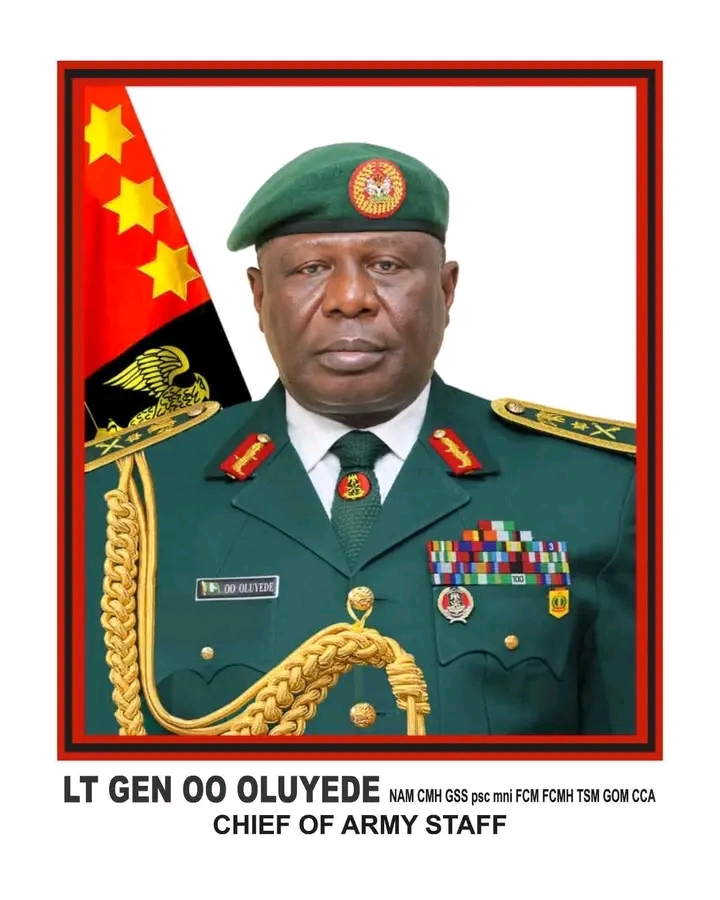
in a strategic move to strengthen leadership and reposition the Nigerian Army (NA) for greater operational effectiveness, the Chief of Army Staff (COAS), Lieutenant General Olufemi Oluyede, has approved the posting and appointment of some senior officers to key command, instructional, and staff positions across various formations and units of the Nigerian Army.

The redeployment encompasses few Principal Staff Officers (PSOs) at the Army Headquarters (AHQ), two General Officers Commanding (GOCs), Corps Commanders, Commandants of training institutions, and Brigade Commanders, among other appointments critical to the Nigerian Army’s operational and administrative structure.

Some of the senior officers appointed as Principal Staff Officers at the Army Headquarters include, Maj Gen AA Adeyinka who was posted from Nigerian Army Corp of Supply and Transport (NACST) to the Department of Army Logistics and appointed Chief of Logistics (Army), Maj Gen AA Adekeye posted from AHQ Department of Standard and Evaluation to AHQ Department of Personnel Management as Chief of Personnel Management (Army), Maj Gen TB Ugiagbe from Headquarters Nigerian Army Intelligence Corp to Army Headquarters Department of Standard and Evaluation and appointed Chief of Standard and Evaluation.

Others are Maj Gen AA Idris from Defence Headquarters to Nigerian Army Intelligence Corps and appointed Chief of Military Intelligence (Army), Maj Gen MO Erebulu from the Department of Special Services and Programmes to Nigerian Army Corps of Military Police and appointed Provost Marshall (Army). Furthermore, Maj Gen EA Anaryu from Defence Space Administration have been redeployed and appointed Corps Commander Supply and Transport while Maj Gen SA Akesode from Office of the National Security Adviser to African Union Verification Mission in Tigray Region, Ethiopia as Head of Mission, while Maj Gen JE Osifo from Nigerian Army School of Finance and Accounts, to Nigerian Army Finance Corporation as Director General.

Senior officers appointed as General Officers Commanding (GOCs) are Major General ASM Wase from Department of Training to Headquarters 1 Division/Sector 1 Joint Task Force North West Operation FANSAN YAMMA (OPFY) as GOC 1 Division/Commander Sector 1, Maj Gen CR Nnebeife is also appointed as the General Officer Commanding 2 Division/ Sector 3 Joint Task Force OPFY.Some of the senior officers appointed as Commandants of NA Training Institutions are,

Maj Gen MO Ihanuwaze from Nigerian Army Finance Insurance Corporation to Nigerian Army Finance School and Administration and appointed Commandant, Maj Gen KO Osemwegie now the commandant Army Signal School, Maj Gen AJ Aliyu also appointed commandant Nigerian Army Ordinance School, while Maj Gen AC Adetoba was posted from the Department of Transformation and Innovation to Nigerian Army College of Logistics and Management as commandant amongst others. Other senior officers also affected in the redeployment are Brig Gen M Jimoh from HQ Operation FANSAN YAMMA to HQ 1 Brigade as Commander, Brig Gen NE Okoloagu from Army War College Nigeria to 2 Brigade as Commander as well as Brig Gen AA Bello from Nigerian Army School of Infantry to 6 Division Garrison/Sector 3 JTF South South Operation DELTA SAFE as Commander.

The Chief of Army Staff has charged the newly appointed senior officers to redouble their effort and commitment to duty in ensuring the sustenance of the ongoing onslaught against terrorism, insurgency and other threats to national security, as they assume their new appointments.

He also reiterates his commitment to welfare of troops as paramount to operational successes. APPOLONIA ANELE Lieutenant ColonelActing Director Army Public Relations 17 August 2025

Posted on 1 Comment

The Federal Government of Nigeria has indeed confirmed the arrest of two top commanders of Jama’atu Ansarul Muslimina fi-Biladis Sudan (Ansaru), an Al-Qaeda affiliate in Nigeria. The arrested individuals are:

The Federal Government of Nigeria has indeed confirmed the arrest of two top commanders of Jama’atu Ansarul Muslimina fi-Biladis Sudan (Ansaru), an Al-Qaeda affiliate in Nigeria. The arrested individuals are:

Mahmud Muhammad Usman (Abu Bara’a): Identified as the self-styled Emir of Ansaru, Abu Bara’a was the coordinator of the group’s sleeper cells across Nigeria and masterminded several high-profile kidnappings and armed robberies to finance extremist activities.

Mahmud al-Nigeri (Mallam Mamuda): Deputy commander of Ansaru, Mallam Mamuda led the notorious “Mahmudawa” faction operating around Kainji National Park and is believed to have received training in Libya under foreign jihadist instructors.

The arrests were made between May and July 2025, following a months-long intelligence-led operation by Nigeria’s security and intelligence agencies. According to National Security Adviser Nuhu Ribadu, the capture of these two Ansaru leaders has effectively dismantled the group’s central command and paves the way for its complete annihilation.

Some of the notable attacks attributed to Ansaru include:

  • 2022 Kuje Prison Break: Ansaru claimed responsibility for the attack on Kuje prison in Abuja, which resulted in the escape of several high-profile inmates.
  • Abduction of French Engineer Francis Collomp: In 2013, Ansaru kidnapped French engineer Francis Collomp in Katsina.
  • Kidnapping of Emir of Wawa: The group was also behind the abduction of the Emir of Wawa.
  • Attack on Niger Uranium Facility: Ansaru claimed responsibility for the deadly attack on a uranium facility in the 2022 Kuje Prison Break.

The Federal Government has stated that the captured materials and digital evidence are undergoing forensic analysis to provide further intelligence on the group’s networks in Nigeria and the Sahel region.

Posted on Leave a comment

The Best Way for Nigerians to Stop Corrupt Leaders in Power

The Best Way for Nigerians to Stop Corrupt Leaders in Power

Nigeria has been plagued by corruption for decades, with corrupt leaders looting the country’s treasury and perpetuating a culture of impunity. However, the power to stop corrupt leaders lies with the Nigerian people. Here are some ways Nigerians can work together to bring about change:

  1. Demand Transparency and Accountability

Nigerians should demand transparency and accountability from their leaders. This can be achieved by:

  • Attending town hall meetings and public forums to question leaders about their actions
  • Using social media to hold leaders accountable and demand transparency
  • Supporting investigative journalism and media outlets that expose corruption
  1. Vote Wisely

The power of the vote is a crucial tool in removing corrupt leaders from power. Nigerians should:

  • Research candidates thoroughly and vote for those with a track record of integrity and transparency
  • Reject candidates with a history of corruption or links to corrupt practices
  • Encourage others to vote and participate in the democratic process
  1. Support Anti-Corruption Efforts

Nigerians should support anti-corruption efforts by:

  • Reporting corrupt practices to the relevant authorities
  • Cooperating with anti-corruption agencies and providing information about corrupt activities
  • Demanding that anti-corruption agencies are independent and effective
  1. Promote a Culture of Integrity

Nigerians should promote a culture of integrity by:

  • Teaching children the importance of honesty and integrity
  • Encouraging whistleblowers to come forward and report corrupt practices
  • Rewarding integrity and transparency in public and private life
  1. Demand Institutional Reforms

Nigerians should demand institutional reforms that promote transparency and accountability. This includes:

  • Strengthening institutions such as the judiciary, legislature, and anti-corruption agencies
  • Promoting meritocracy and transparency in public appointments and promotions
  • Ensuring that institutions are independent and free from political interference
  1. Use Technology to Fight Corruption

Nigerians can use technology to fight corruption by:

  • Developing and using apps and platforms that promote transparency and accountability
  • Using social media to expose corrupt practices and mobilize public opinion
  • Supporting digital literacy and online activism
  1. Build a Critical Mass

Nigerians should build a critical mass of people who are committed to fighting corruption. This can be achieved by:

  • Building coalitions and networks of anti-corruption activists
  • Organizing public protests and demonstrations against corruption
  • Using social media to mobilize public opinion and build a movement against corruption

By working together and using these strategies, Nigerians can create a groundswell of opposition to corruption and demand that their leaders act with integrity and transparency. The power to stop corrupt leaders lies with the people, and it is time for Nigerians to take action.